Drought Watch: Funding Sustainable Groundwater Management

This is part of a continuing series on the impact of the drought.

Although droughts have many downsides, they can also spur lasting improvements in water management. Unsustainable groundwater use has long plagued California’s rural areas, and the current drought is providing much needed impetus to pursue reform.

California is one of the only western states that does not regulate groundwater use under state law. Except for a few dozen basins where local agencies have special oversight authority (mainly in urban Southern California and the Bay Area), local groundwater management remains largely voluntary and somewhat precarious. Despite some recent advances in basin monitoring and replenishment programs, these agencies have been unable to prevent damaging declines of groundwater supply and quality. As recent headlines on water scarcity point out, overtaxed basins are unable to effectively serve one of groundwater’s most important roles: as a buffer against drought.

In late March, the Governor’s Office held a workshop to seek input from local managers and other experts on a proposal that would empower local agencies to better manage groundwater—and commit the state to step in as an emergency backstop if locals fail to come through. Today’s post on the California Water blog, coauthored by an interdisciplinary team from PPIC, UC Davis, UC Hastings, Stanford, and elsewhere, walks through important funding considerations for this reform.

To be effective, local entities must have sufficient authority and flexibility to raise the money they need to track water levels and make key investments—both in infrastructure and in new water supplies for replenishing their basins. In addition, these agencies should have the ability to enact special surcharges to prevent excessive pumping. Right now, that power is only granted to a handful of agencies.

Extending and strengthening the funding and oversight authorities available to local agencies across the state will better prepare us for the next time we need to look to the ground, instead of the sky, for our water needs.
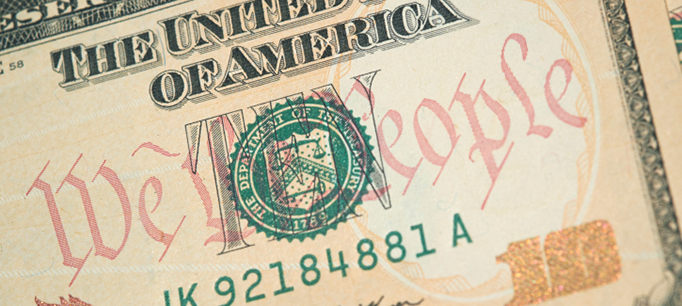
California’s Taxing Dilemma

As the April 15 deadline for filing taxes looms, we asked Californians in the latest PPIC Statewide Survey how they view their state and local tax burden. Their responses point to a disconnect between public opinion and the views of many fiscal reformers.

A record-high 60 percent say that they pay more than they feel they should in state and local taxes. Just two years ago, 46 percent held this view. Today, six in 10 Californians also have the perception that California currently ranks above average or near the top in state and local tax burden per capita. And they are correct: A Tax Policy Center report recently ranked California’s 2011 state and local tax burden as the 11th highest in the nation.

Further, a record-low 50 percent of Californians say that the present state and local tax system is very or moderately fair. In contrast, 57 percent said it was at least moderately fair two years ago. Across income categories today, perceptions of the fairness hover around 50 percent.

What changed in the last two years? For one thing, voters passed Proposition 30, temporarily raising the state sales tax, as well as state income taxes on wealthy residents.

Today, eight in 10 Californians say that major or minor changes are needed in our state and local tax system. But their views of change don’t necessarily match those of fiscal reformers, who have argued for years that our state budget is too dependent on wealthy individuals with volatile income tax payments. Some reformers have argued that broadening the sales tax base to include services would be an effective way to avoid the extreme ups and downs in state revenues that play havoc with state and local government budgets.

But Californians appear to have little interest in changing the tax system in ways that may impact their pocketbooks. Among four types of state taxes that we asked about in our March 2014 survey, six in 10 oppose extending the sales tax to services that are not currently taxed, and fewer than half favor extending the sales tax to services even if it means lowering the overall state sales tax rate. However, six in 10 would support raising income taxes on the wealthy, while about half favor raising state taxes paid by California corporations.

Voter opposition to extending the sales taxes to services is higher among those who feel that they are already paying more than they should in taxes. Even the more popular proposals—raising corporate taxes and income taxes on the wealthy—are favored by fewer than half of the voters who feel they are paying more taxes than they should.

Meanwhile, voters are saying that they want more state funding for education and health and human services. Some state and local elected officials would also like to raise more state revenues to restore funding for services that were cut during the Great Recession, or pay for new state and local programs. Others are thinking about how to maintain revenues after the sunset of Proposition 30’s temporary taxes.

If tax reform proponents ask voters to raise taxes or to make changes to the state and local tax system any time soon, they will need to be mindful of voters’ current views on these issues.