Will Groundwater Sustainability Plans End the Problem of Dry Drinking Water Wells?

In the midst of the COVID-19 crisis, work continues on managing groundwater for long-term sustainability, as required by California’s landmark Sustainable Groundwater Management Act (SGMA). In January, water users in 21 critically overdrafted basins delivered their groundwater sustainability plans to the state Department of Water Resources. In this series, we examine the 36 plans submitted for 11 critically overdrafted basins in the San Joaquin Valley—California’s largest farming region, where excess pumping is a major challenge.

Why are drinking water wells going dry in the valley?

In the San Joaquin Valley, groundwater is the primary source of drinking water. While groundwater levels in the valley have generally been declining for decades, the problem of overdraft—which can cause shallow wells to run dry—is particularly acute during droughts as surface water supplies for irrigating crops are limited. This especially affects domestic wells and small community wells, which tend to be shallower than those used for irrigation or large urban water systems. During the 2012–16 drought, 2,600 well-dependent households reported water shortages across the state; almost 80% of these were in the San Joaquin Valley. We estimate that the valley’s total number of dry domestic wells was likely higher (see map below, on left). Many small community wells also faced shortages.

Does SGMA protect wells from running dry in the future?

SGMA was enacted to address the negative consequences of groundwater overdraft. Declining water levels is one of the six undesirable results that plans must avoid. Local agencies are tasked with setting minimum water level thresholds to avoid effects that are “significant and unreasonable”—something that can vary with local conditions.

Allowing some flexibility is important, because very restrictive thresholds would require immediate and costly cuts in groundwater pumping. Yet in many places, additional water level declines can render shallow drinking water wells useless. If agencies choose to allow continued pumping to avoid major disruptions in the regional economy, they are required to mitigate any significant and unreasonable effects. Options include covering the costs of drilling deeper wells or providing an alternative water supply.

How do groundwater plans address risks to domestic wells?

The plans reflect a range of approaches—as shown in the map below, on the right. In several basins, plans set water level thresholds to protect domestic wells from going dry. Some other plans acknowledge that their thresholds might cause some wells to go dry, and these already have a mitigation program in place or propose considering mitigation in the future. Plans in the remaining basins either do not discuss the potential impacts their thresholds have on domestic wells or do not consider these impacts to merit action. This includes the Kings Basin—home to a dense network of well-dependent communities—where three plans acknowledge that roughly 600 domestic wells may go dry, but do not consider this a significant and unreasonable impact of continued overdraft.
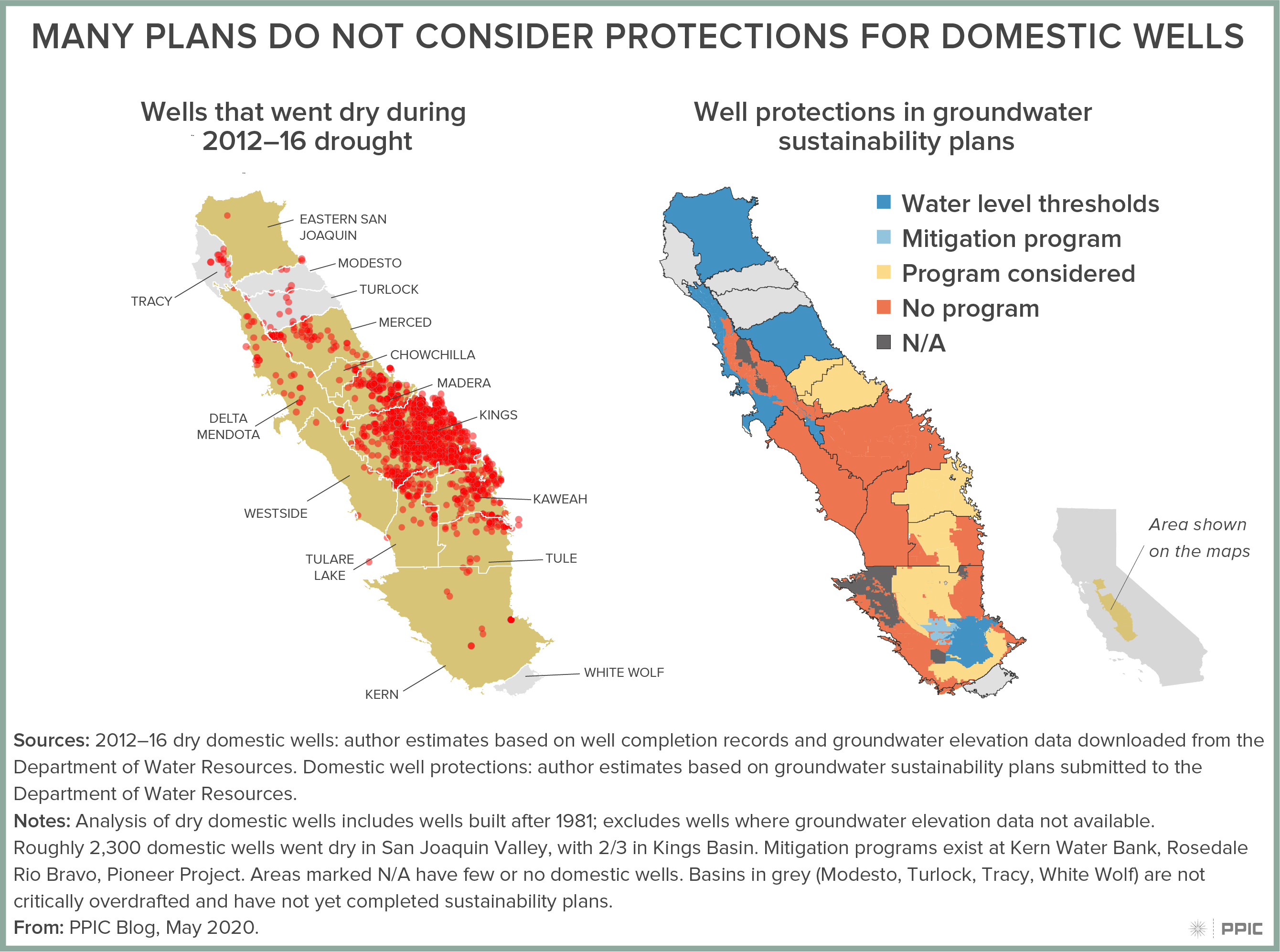
figure - Many Plans Do Not Consider Protections for Domestic Wells

Is mitigation a good alternative?

Chowchilla and Madera basins also have some domestic wells at risk and have conducted economic analyses to compare the costs of two alternatives: rapidly reducing agricultural pumping to maintain higher water levels, or replacing domestic wells that would be affected. At a cost of $25,000 per well, the full costs of replacing affected domestic wells in Chowchilla ($130,000) and Madera ($770,000) are orders of magnitude lower than the costs of reducing agricultural pumping sooner ($581 million in Chowchilla and $968 million in Madera). This shows that it can be more cost effective for a basin to provide assistance to domestic well owners than to set restrictive water level thresholds that would result in large and abrupt losses in the local economy.

What’s next?

Although SGMA doesn’t protect every well from going dry, it does require plans to consider this problem and mitigate significant and unreasonable effects. At a minimum, the state should require that each plan quantify the impacts of its water level thresholds on drinking water supplies.

Increasing community participation in groundwater planning efforts is another priority. And as groundwater sustainability agencies grapple with how to bring their basins into balance over the coming decades, better information will also be key to improving decision making and reducing conflicts. The Department of Water Resources began releasing well records several years ago. The next priority should be improving understanding of which wells are used for drinking water, which wells are abandoned, and other critical information.

Many shallow wells serve economically disadvantaged communities, making the stakes especially high. Because the San Joaquin Valley has a high share of water systems with water quality problems, it’s also important to consider solutions that address both water quality and water quantity whenever possible. In many cases, providing alternative sources of supply may be the best option for affected communities.
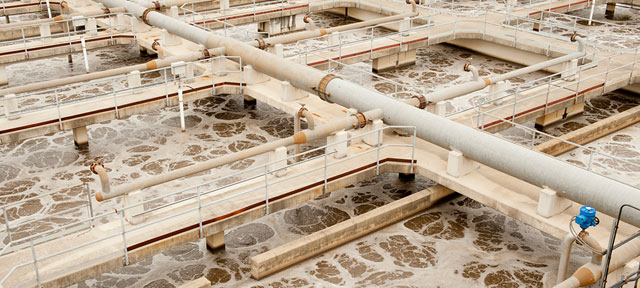

Wastewater Treatment Kills Most Pathogens, Including COVID-19 Virus

[vc_row][vc_column][vc_column_text]Californians reuse treated wastewater as a water supply, to irrigate crops, and to support freshwater ecosystems. To get answers to questions about managing the new coronavirus in the “sewershed,” we talked to two experts: Kara Nelson, an expert in waterborne pathogens at UC Berkeley; and Adam Link, executive director of the California Association of Sanitation Agencies.

PPIC: What risks does COVID-19 virus pose in wastewater?

Photo - Kara Nelson
Kara Nelson

KARA NELSON: We now have evidence that infectious coronavirus is excreted in the feces of infected individuals. The good news is that in the US, we already assume wastewater is full of high concentrations of infectious organisms like viruses, and we have practices in place to deal with them—including ways to protect workers from exposure. Coronaviruses have a different structure from the viruses we usually worry about in wastewater, such as hepatitis A and norovirus—and that structure likely makes it easier to kill. This gives us a high degree of confidence that we have effective treatment to manage the COVID-19 virus. So yes, there are risks, but all the information we have suggests that our existing practices reduce the risk to very, very low levels.

PPIC: Is the virus a risk in the reuse of treated wastewater?

KN: Producing safe, reusable water from wastewater already requires removing pathogens from it. While existing treatments—which are based on science and a regulatory approach developed over many decades—are likely sufficient to deal with coronavirus, we would like to see research that confirms this. Studies have already been launched in California and elsewhere to ensure measures we have in place are sufficient.

The heightened public interest in the virus provides professionals in the water industry an opportunity to share information about why reusing treated wastewater is safe and why we have a very high degree of confidence on how these risks are being managed.

PPIC: What’s the story with “flushable” wipes?

Photo of Adam Link, California Association of Sanitation Agencies
Adam Link

ADAM LINK: This was already a significant issue for us, and the pandemic has brought a huge new influx of wipes and cleaning-product debris into the system. Some wipes are marketed as flushable but don’t actually break down the way toilet paper does. They can sometimes form sizeable sewage blockages that damage pumping infrastructure, cause overflows, and increase our capital costs. CASA and many of our members are engaged in public information campaigns on the problem. Our agencies are working around the clock to keep systems functioning properly and prevent major breakdowns.

PPIC: Do you foresee any long-term impacts from the pandemic for the wastewater sector?

AL: In some ways we are similar to a business, and we have to think about the potential financial impacts of a recession on our systems. There are new orders to not terminate service if payments don’t come in, and we’re likely to see more people who struggle to pay their bills as a result of the financial downturn. So we need to put thought into planning for a new financial future. Our agencies are very good at long-term planning for capital projects, but it remains to be seen how dramatically this will change things from our current expectations. Much depends on the level of stimulus and how quickly things get back to normal.

PPIC: What gives you hope right now?

KN: The agencies and their workers—they’re putting their responsibility to deliver essential services first, before themselves, just like health care workers.

I’m also impressed with how quickly the research community has responded with new research on coronavirus and water. Therapies, tests, and vaccines are obviously the immediate priorities, but water researchers around the world have kicked into high gear to find long-term strategies to fight this and other emerging viruses. One exciting development is a global effort to monitor wastewater for the virus to quickly assess its prevalence in the sewershed; this could potentially help determine if infections are reemerging so we can respond quickly to contain them.

AL: I’m very encouraged by how well our agencies have come together to solve the new problems the pandemic raises and prepare for the worst together. There haven’t been any significant disruptions—and that’s thanks to the lengths these people go to keep the public safe.[/vc_column_text][/vc_column][/vc_row]

Providing Safe Drinking Water in the Face of Disasters: Lessons from Lake County

Climate change is already affecting water management across the state. Small rural communities with ongoing drinking water challenges are especially vulnerable to greater extremes brought on by a warming climate. We talked to Jan Coppinger, a special district administrator from Lake County, about how the county’s small water systems have dealt with an especially devastating string of natural disasters.

photo - Jan Coppinger

PPIC: Describe Lake County’s recent water challenges.

JAN COPPINGER: The county is predominantly rural, geographically diverse, and home to a number of small, disadvantaged communities and tribes. As towns in the county were developing, they built small, isolated water systems. We now have almost 100 public water systems, and some are barely getting by. The county tried to encourage consolidation of smaller systems into bigger ones in the late 1980s. Two major consolidations took place at that time: one that merged 41 small suppliers to create the North Lakeport water system—which today is one of our strongest, best water systems—and one that combined 15 systems. The county did feasibility studies on other potential consolidations, but these were met with opposition from local communities, so the issue was dropped altogether until recently.

Over the past several years, a string of natural disasters has kept Lake County in a constant state of emergency. It started with a drought, followed by two massive wildfires, which burned more than 60% of our county. The burn scars made the floods of 2017 and 2019 especially devastating. The 2015 Valley Fire destroyed thousands of homes and eight water systems. One small water supplier—Starview Water System—had 151 customers before the fire and only 14 afterward. Following these disasters, consolidation became a way to get some of the devastated water systems back up and running. We have had success with consolidating and rebuilding nine water systems in the Cobb Mountain area in the last couple of years.

PPIC: Consolidation is a big undertaking. What is the most important lesson from Lake County’s efforts?

JC: It’s a very complicated process, and in most cases, outside technical assistance is needed. We have two other areas now looking at consolidation, and we’re having a hard time identifying which of the small water agencies can take the lead in the process. The agencies are willing but they don’t have the managerial or technical capacity.  We have gotten support from the State Water Board and non-profit partners like the Rural Community Assistance Corporation (RCAC) to walk them through it. Financial assistance is another barrier, because consolidation can be expensive. The costs really vary. For the Cobb Mountain project, the feasibility study alone cost $250,000. We’re probably talking around $21 million for the entire consolidation. In that case, we had to bring some of the small systems up to code, and repair significant damage from the fire.

PPIC: How can small systems best prepare for natural disasters and climate change?

JC: Building physical connections to other systems and sharing resources is critical. Small systems need a backup supply to handle disasters—and because sometimes even the backup burns, they may need a backup to the backup. For instance, in the aftermath of the Valley Fire, the county invested $1.7 million to rebuild the Starview Water System, and connect it to other small systems in the Cobb Mountain area. The floods in early 2019 took out the roads, the culverts, and the brand new water system we built.

I never dreamed that entire water systems would burn to the ground. When I describe what has happened to small water systems in our area from these disasters, it really opens people’s eyes. Educating the people running these small systems has helped change minds about consolidation, in Lake County and across the state.

Watch a video of Jan Coppinger and other panelists talk about providing safe drinking water in California

Video: Preparing California’s Water System for Climate Extremes

Climate change is stressing water management across California. This week the PPIC Water Policy Center hosted its annual half-day workshop in Sacramento to discuss how state and local leaders can help prepare California’s water system and ecosystems for greater climate volatility.

“California has the most variable year-to-year climate of any state in the lower 48,” said Ellen Hanak, director of the PPIC Water Policy Center. “This is expected to increase, with drier dries and wetter wets.” Water management of the future will “need to start managing our droughts for floods and our floods for droughts,” she added, because greater volatility will make it harder to manage multipurpose reservoirs for both floods and droughts at the same time. Flexible, multi-benefit approaches—and solutions that are aligned across agencies—are going to be increasingly important in tackling these complex challenges.

The first panel focused on managing fast- and slow-moving disasters—floods, fires, and droughts. Panelists discussed the impacts of the recent fires on communities and local water systems, and the types of tools and partnerships that can help minimize risks. Tim Ramirez of the Central Valley Flood Protection Board described the significant and increasing flood risk in the San Joaquin Valley and called for a flood bypass to protect the growing Stockton region. And Michael Thompson of Sonoma Water called for funding from the state to support the “collaborative infrastructure” that will enable agencies to work together more effectively.

A panel on safe drinking water summarized the current status of the problem and discussed how to best use the new Safe and Affordable Drinking Water Fund to ensure that the water delivery system works for everyone. “I think that in five years we want to see every child in California has safe drinking water in their home,” said Jonathan Nelson of the Community Water Center. “The way we do that will be through multiple strategies, but that’s the vision we want to work toward, and ideally, as quickly as we can.”

Darrin Polhemus of the State Water Board said small water systems pay more for their systems and supplies, have a lack of management and technical capacity, and are particularly hard hit by water contamination and shortages. He noted that “we have to change this whole paradigm” to help improve how small water systems operate.

The final panel brought key state officials to the stage to discuss the governor’s water resilience portfolio, now being developed to address the challenges of a more volatile climate. Wade Crowfoot, secretary of the California Natural Resources Agency, said a top priority is to make it easier to help the environment and get multiple benefits out of water projects. “Permitting wetlands restoration is the exact same process as permitting a strip mall,” he said. “So while we’re threatened by climate change and our ecosystem is under unprecedented threat, state government makes it really expensive and slow to get [such projects] done.” He said his agency is committed to cutting “green tape” that slows ecosystem restoration projects.

Sounding a particularly hopeful note, Karen Ross, secretary of the California Department of Food and Agriculture, said we have “an opportunity of a lifetime for farmers to step up and identify how they can be part of the solution to climate change.” She noted that farm practices can sequester carbon while also building resiliency to help farms weather droughts and floods.

We invite you to watch the videos from this event:

Taking on Tough Challenges at the State Water Board

The State Water Board is central to addressing many of California’s major water challenges, including protecting water quality for drinking and for the environment, addressing drought and water conservation, and managing the allocation of surface water. We talked to Sean Maguire, a civil engineer who was appointed to the board by former governor Brown in December 2018, about priority issues.

Photo of Sean MaguirePPIC: What are the big challenges the board is grappling with right now?
Sean Maguire: At the top of our list is the Bay Delta water quality control plan. The plan, which covers the Sacramento–San Joaquin watershed and Delta, must ensure a reliable water supply and protect the basin’s fisheries and ecosystems. We’re working through a process that is very complex and has a lot of moving pieces—and right now it’s unclear if we’re on track to meet all of these goals. But it’s exciting to think there is a stakeholder-devised solution at hand—the voluntary agreement process—which would set out a plan to manage multiple rivers in a coordinated way, coupled with large-scale habitat restoration and science programs. There is still a long ways to go, but I have hope that voluntary agreements will prove to be the best path forward.

At the same time, we’re preparing for climate change. It’s clear that going forward we have to be incredibly efficient in our water management. The last drought resulted in legislation to establish indoor and outdoor water use efficiency targets and to require urban suppliers to develop stronger drought contingency plans. Many small water systems rely on a single source—most often groundwater—and we’re helping them find opportunities to connect to larger communities and identify new supplies. This is where water portfolios can help build resilience to drought and get us ready for a changing climate.

And finally, the most exciting news is the establishment of the Safe and Affordable Drinking Water Fund earlier this year. California has 7,000 water systems and hundreds of thousands of residents using domestic wells—a situation that presents a lot of challenges because many struggle to meet drinking water standards. The fund is a high priority for us, and we’re committed to coming up with a plan and policies to implement it, while also working on projects that can get started right away.

PPIC: Talk about contamination challenges.

SG: Water contamination is a huge challenge for the whole state. There are so many different sources, and many contaminants of emerging concern. The board is at the beginning of tackling PFAS contamination. This is a class of “forever chemicals” used in a wide range of products—for example, nonstick coatings, water repellants, take-out containers, and fire retardants. We’re moving quickly to better understand the risk by requiring testing wells in close to possible source sites (such as defense facilities, landfills, and airports), and also requiring those facilities to test local groundwater. We are also working to understand the human health effects, which will take some time.

PPIC: What gives you hope?

SG: In the past year, there’s been incredible collaboration surrounding really controversial water issues that have lingered for decades. I’m very hopeful about the stakeholder-informed solutions that are arising out of these processes. In addition to the Bay Delta process, we now have a strong wetlands policy—a collaborative solution that was a decade in the making. We have another stakeholder plan to address legacy pollution from farming and other discharges in the Central Valley. I hope we can repeat this type of collaboration with other issues and in other watersheds across the state. I have a lot of hope for the groundwater sustainability plans that are being developed now in the state’s overdrafted basins. And I believe the governor’s upcoming water resilience portfolio will give us a roadmap to help California prepare for the climate changes to come.

The state has a lot of complex water problems, and we can’t untangle them all with one brilliant policy change. But we’re making progress on many difficult issues, and I’m committed to keeping up the momentum.

A California Dream: Less Plastic in the Ocean

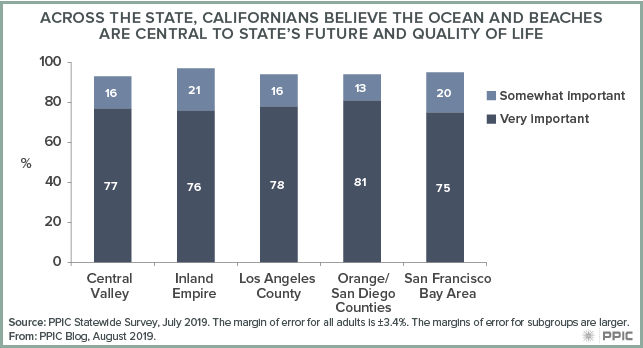
Friday is National Beach Day—an easy day to celebrate in California. The Golden State’s love of beaches is legendary, and as it happens it’s a legend backed by data. The latest PPIC environment survey found that three in four Californians (77%) say the condition of the ocean and beaches is very important to the state’s future economy and quality of life.

figure - Life

Californians are very concerned about a number of threats to their marine environment—including sea level rise, overfishing, and plastic pollution. Overwhelming majorities view plastic and marine debris as a big problem (72%) or somewhat of a problem (18%). Across age, education, income, and racial/ethnic groups, solid majorities say this is a big problem.

figure - Most Californians Say Plastic and Marine Debris along the Coast Closest to Them Are a Problem

The debris comes from diffuse sources. The California Coastal Commission reports that 80% of marine debris comes from land-based sources, such as litter that washes from land to the sea. Rain carries plastic litter of all sizes into the ocean through urban creeks and storm drains.

A growing concern is microplastics, debris that is too small to be caught by existing filters at wastewater treatment plants. This debris can come from personal care products rinsed down drains and synthetic fibers from laundered clothing. It can also come from larger pieces of plastic that end up in the ocean and break down. The most notorious example of this is the Great Pacific Garbage Patch, the eastern part of which is between California and Hawaii.

The problem is particularly acute in California. The San Francisco Estuary Institute reports that San Francisco Bay appears to have more microplastic pollution than other major water bodies in the US. A study by the Monterey Bay Aquarium Research Institute found that Monterey Bay also has high concentrations of microplastics. And scientists are now reporting that microplastics have been detected in Lake Tahoe for the first time, demonstrating the reach of the problem. Plastic is a problem across California’s waters.

Legislators are taking notice, with several bills currently aimed at tackling this issue. The goals are ambitious—for example, Senator Ben Allen and Assemblywomen Lorena Gonzales, both representing coastal areas of the state, have proposed bills that would slash single-use plastic waste in California by 75% by 2030.

While the outcome of such efforts remain to be seen, Californians’ concern about this problem—and their love of the ocean—is sure to drive momentum in the search for solutions.


The LA River and the Trade-Offs of Water Recycling

This is part of a series on issues facing California’s rivers.

After a very wet winter, California has been declared drought free. But planning for future water shortages has continued. In Los Angeles, Mayor Eric Garcetti recently announced a goal of 100% wastewater recycling by 2035 to help make city supplies drought proof.

While recycling wastewater helps cities adapt to a changing climate and prepare for droughts, it can have unintended consequences for local watersheds. In some cases, the growing use of recycled water could minimize or even eliminate flows from wastewater treatment plants into local rivers and streams and reduce ecological and recreational benefits. The Los Angeles River exemplifies this kind of trade-off: expanded water recycling will reduce the amount of treated wastewater flowing into this increasingly revitalized urban waterway.

The lower stretch of the river, which was converted into a concrete flood channel in the mid-1900s, is changing. Concrete has been removed from large stretches of the river and public parks and bike paths have been built along its banks, encouraging recreational use and increasing public interest in the river’s restoration. The river was declared a navigable water in 2010 and opened to kayaking the following year. It provides a vital refuge to a variety of riparian species that lost most of their habitat to channelization and urban development.

Last year, researchers from the Southern California Coastal Water Research Project (SCCWRP) launched a study to document the effects of reductions of treated wastewater on vulnerable species and habitats along the highly urbanized, 45-mile stretch of the lower river, as well as on recreational uses of the river. One of the project’s goals is to determine how these impacts could be offset by investments in river restoration and upstream mitigation projects.

The SCCWRP researchers plan to develop recommended seasonal flow targets for each section of the LA River. They will consider the balance between protecting the river’s ecological and recreational uses and local agencies’ desire to capture, divert, and recycle more water in the watershed. The study will also help inform a number of planning efforts, including One Water LA and the LA River Revitalization Master Plan.

Eric Stein, principal scientist with SCCWRP, emphasized that the project’s success is dependent on its collaborative nature. “We are bringing together agencies, municipalities, nonprofit organizations, and community groups to help explore alternative future scenarios and find innovative ways to balance potentially competing demands for water in the LA River,” he said.

The LA River watershed is only one example where a conflict between recycled water investments and downstream users is emerging. As the demand for recycled water grows and local agencies consider new projects, other watersheds could benefit from similar efforts to better understand the impacts of water recycling on the local ecology and downstream users.

Fostering Sustainability in the San Joaquin Valley

California’s largest farming region faces two linked challenges: balancing groundwater supply and demand in overdrafted basins, and addressing water quality in the region’s aquifers. We talked to Ashley Boren, executive director of Sustainable Conservation, about tackling these issues in the San Joaquin Valley.

photo - Ashley Boren

PPIC: Talk about your organization’s efforts in groundwater recharge.

Ashley Boren: We’re focused on trying to get stakeholders in the San Joaquin Valley to think about doing more recharge―and expanding recharge approaches―to make a dent in the overdraft problem. Climate forecasts show that California will have fewer but more intense big storms in the future, with a lot of water coming at once. When that water comes out of the Sierra, we need to let it spread out across the land—including on suitable farmland that can handle large volumes of water and has good soils for recharging groundwater. There’s a lot of opportunity to do more recharge.

We’ve definitely seen an uptick in interest among farmers in recharging on their land—the state’s Sustainable Groundwater Management Act has been a huge driver for that. We’re trying to provide tools to help farmers and irrigation districts recharge as much as possible. For example, we’ve got some demonstration sites where we help growers who accept water onto their land to measure the results and impacts. We use our findings for education and outreach with other farmers. And with our partner the Earth Genome, we’ve created a tool that runs scenarios on how landowners and water agencies can optimize recharge using a combination of dedicated recharge basins, fallowed land, and active cropland. It combines publicly available information on things like soil types with water agencies’ proprietary information on canal capacity and location. It’s cloud-based and easy to use.

We’ve also joined the Department of Water Resources’ Flood-Managed Aquifer Recharge effort, which explores ways to marry flood management with groundwater recharge and habitat creation to achieve multiple benefits. There are more than 200 stakeholders involved so far.

PPIC: What needs to happen to scale up recharge?

AB: Several things need to happen. Improving conveyance infrastructure is the big one, so we can move water to where it’s needed most and where conditions for recharge are suitable. We need more landowners willing to accept water on their land, and also more recharge basins. And we need to figure out how much water is available for recharge by watershed, so water agencies know what they’re working with and how much they can capture.

We’re collaborating with the State Water Board to enhance current regulations that would greatly boost recharge efforts, and exploring ways to expedite permitting while ensuring existing water rights are honored and environmental water needs are covered.

PPIC: You’re also working with dairies to help them address water quality issues. What are key lessons from this work?

AB: We’ve been working with San Joaquin Valley dairies on how to manage manure to protect water quality for nearly 20 years. We’re helping dairies apply nutrients more precisely to their feed crops in order to reduce nitrate leaching into groundwater. But reducing the use of manure on croplands means dairy farmers have a lot of leftover manure. Manure is a valuable resource, so the industry is trying to figure out how to create products with excess manure that can be exported off farms to avoid nitrate leaching. Studies indicate we will have to export up to 40% of the valley’s manure to comply with water quality laws. The good news is the industry is actively working to figure out the market for manure products.

We’re also really excited about a partnership with the irrigation company Netafim, supported by the USDA, which allows dairies to apply their nutrient-rich wastewater very precisely to their feed crops to limit leaching of the excess nitrogen into groundwater. So far we’ve seen up to 40% less water and up to 75% less nitrogen applied to fields at our demonstration projects. An added bonus is this system also reduces nitrous oxide emissions into the air by 90%. If dairies could get credit for reducing this very harmful greenhouse gas, it could help pay for installation of the systems.

Watch a video with Ashley Boren and other panelists discussing how to prepare California’s water management system for the impacts of climate change.


California’s Growing Demand for Recycled Water Has Ripple Effects

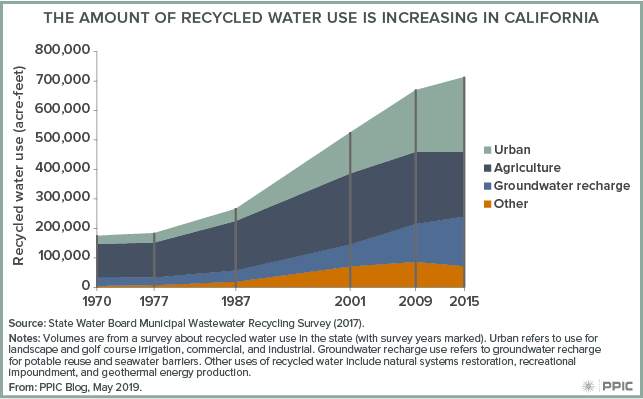
Wastewater agencies produce highly treated water that is increasingly being reused as a water supply. While it’s still only a small portion of overall water use, the use of recycled water has nearly tripled since the 1980s―and is continuing to rise as water agencies seek to meet the demands of a growing population and improve the resilience of their water supplies.

Recycled water production is closely related to water use and wastewater management. It also directly influences flows for ecosystems and downstream water users in some watersheds. As its use expands, weighing the trade-offs involved will help avoid conflict. Meeting current and future demands requires careful consideration of several issues, including the impact of water use on wastewater management, changing types of demand for recycled water, and the needs of ecosystems and downstream users.

Recycled water production is affected by reductions in water use. In other words, recycled water is not completely “drought proof.” The drought of 2012‒16 provides a clear example of this. The rapid reduction of urban indoor water use in this period resulted in a reduced quantity and quality of wastewater for most of the state’s wastewater agencies. In a survey conducted by the PPIC Water Policy Center, just over 40% of wastewater agencies that recycle wastewater reported that their ability to produce recycled water was impaired during the drought. The long-term efficiency of water use and related declines in wastewater quality may also affect recycled water production in the future. For example, as households become more water-efficient, the wastewater they discharge to sewers can have higher concentrations of salts, which are not removed in most treatment processes. Saltier water may not be suitable for outdoor irrigation of golf courses or lawns—common uses of recycled water. If this issue grows in severity, agencies may be forced to incorporate desalination into wastewater treatment, which is likely to add cost and complexity.

Demand for recycled water is growing and changing. Recycled water is increasingly being used in urban areas for public landscape irrigation, golf courses, industrial cooling, and groundwater recharge. Replenishing sources of drinking water is the biggest growth opportunity for water recyclers. New state rules allowing replenishment of groundwater and surface water storage with recycled water—and eventually the direct connection of recycled water to drinking water infrastructure—will create opportunities for recyclers to cost-effectively meet growing demands well into the future. This will require close coordination between water suppliers and wastewater agencies. Some wastewater agencies will also need to increase their treatment capacity to meet the higher water quality standards required for potable reuse.

figure - The Amount of Recycled Water Use Is Increasing in California

Expanding use of recycled water may reduce flows of treated wastewater in rivers, streams, and estuaries. Treated wastewater is an important water source for some ecosystems and downstream water users. Watersheds where wastewater makes up a significant amount of the flow that supports ecosystems and downstream users are especially vulnerable to conflict. For example, a proposal to increase the use of recycled water in Coachella Valley would decrease flows to the already shrinking and vulnerable Salton Sea. Managing recycled water so that it avoids harm to ecosystems and downstream users will require additional collaboration and thoughtful planning.

Closer coordination between wastewater agencies and water suppliers can help minimize impacts from changing patterns of water use on wastewater quantity and quality. Regional planning can also help agencies make smart recycled-water investments that take advantage of opportunities to more directly replenish drinking water supplies. New projects should be based on a careful consideration of local demands and costs, and also how well the investment fits into the overall regional supply of water for both human and environmental uses. Taking such steps now can help water managers in this growing sector make the most of this once-maligned resource.


California’s Dairy Industry Faces Water Quality Challenges

Contaminated groundwater is an ongoing problem in some of the state’s poorest rural communities, particularly in the San Joaquin Valley. One big threat is nitrate, caused mainly by many decades of crop fertilization with chemical fertilizers and dairy manure. For dairy farms, solutions are especially difficult and expensive. We talked to Anja Raudabaugh of Western United Dairymen about what can be done to address these challenges.

photo - Anja Raudabaugh

PPIC: What is the relationship between the San Joaquin Valley dairy industry and water quality?

Anja Raudabaugh: The entire valley faces significant water quality problems. Arsenic, which occurs naturally, is the number one contaminate. The second most widespread problem is nitrate. We’ve had these issues for many decades. Animal agriculture, aging wells, certain soil types, and heavy reliance on groundwater all add to the problem.

We recognize that the dairy industry is part of the problem—and we also want to be part of the solution. The public perception is that our manure lagoons are particularly problematic, but most lagoons in the valley are heavily lined and can’t affect groundwater. It’s also important to note that the industry’s manure management requires a state permit—we’re regulated as to how much nitrogen we can apply and how we store it. California’s standards for operating a dairy are the strongest in the nation.

With the help of studies by UC Davis, monitoring from the Regional Water Board, and industry-designated monitoring wells, we’ve found that 94% of the nitrate pollution surrounding dairies is coming from applying manure to land. Manure is collected in lagoons, diluted with water, and then applied to row crops that feed our cows.

PPIC: What are some promising approaches to help address these water quality problems?

AR: This is a big, statewide challenge, and all parties need to be at the table to work on comprehensive solutions. The dairy industry has been working on solutions to nitrate for about a decade. For the short term we need to use less manure on lands where nitrate leaching is a problem. And we must ensure communities have access to clean drinking water.

New technologies can help. For example, a new filtration system that can remove a lot of nitrate out of lagoons has been installed on 100 valley dairies so far. We’re also working with Sustainable Conservation on some promising biological solutions―including a pilot project to use high quantities of earthworms to decompose nitrate coming from manure. The worms digest up to half the nitrogen and leave a very pure fertilizer. But it’s an expensive solution―a million earthworms is costly. It’s been installed on four dairies, but they haven’t yet been able to scale it. We’re also trying to build markets and incentives to move organic manure off dairies to other farms where it can be used.

Agriculture alone can’t afford to bear the full costs of permanent long-term water quality solutions to the range of contaminants in the state’s water. There remains an overarching need for public funding to address these problems, such as covering costs for operation and maintenance of small water systems in disadvantaged communities. A 2012 report discussed two ways to remediate nitrate in groundwater: pump and treat the water, then reinject it into the ground; or treat it in place. Both approaches are very costly.

We believe the proposed “safe and affordable drinking water fund” is the most elegant and fairest solution proposed so far. This fund spreads the costs out across the whole state. Agriculture would pay a significant portion but not all of it. This type of fund is the blueprint for how we get there—and would ensure the dairy industry is able to participate and still remain a viable financing partner into the future.

PPIC: What gives you hope for the dairy industry?

AR: The state’s dairies are producing some of the most sought-after agricultural products in an environmentally sustainable fashion.

Our dairy families want to produce healthy products, and want to work and live in healthy communities. This is our drinking water, too―99% of the valley’s dairies are family owned, and these folks are raising their families in these communities. Clean drinking water is a moral issue for this organization. I’m really proud of the dairy men and women who’ve stepped up to work on this problem. I’m optimistic because our industry is proactively helping to deliver solutions to these problems.

Watch a video of Anja Raudabaugh and other panelists discussing water quality management in the San Joaquin Valley.