Video: The Benefits of Headwater Forest Management

The health of California’s headwater forests is in decline, leaving them increasingly vulnerable to major wildfires and droughts that threaten the many benefits they provide. Even in the midst of the current COVID-19 pandemic, California must plan for the upcoming fire season, and continue work to reduce its risks.  At a virtual event last week, PPIC researcher Henry McCann described how improved management can make Sierra forests more resilient and avoid major wildfire-related disasters, and summarized the findings of a new report that identifies the benefits and beneficiaries of such management practices.

“Expanding on the pace and scale of long-term forest stewardship is going to be a heavy lift for private and public entities,” said McCann. “Developing a clear sense of the benefits and beneficiaries of improving forest health is key to motivating long-term stewardship and identifying the partners to support it.”

An expert panel moderated by study coauthor and UC cooperative extension specialist Van Butsic discussed how this translates into practice.

What does the science tell us about managing California’s wildfire- and drought-prone forests? “It tells us there are opportunities for win-win scenarios, where a forest treatment designed to reduce fire risk will likely also have other benefits—for carbon storage, biodiversity, wildlife habitat, water output,” said panelist Carmen Tubbesing, a PhD candidate in forest ecosystems and fire sciences at UC Berkeley.

Tubbesing said that we can’t implement treatments “on every inch of forest in California,” but “research has shown that even treating a fraction of a landscape can have landscape-wide benefits on a forest” and reduce wildfire risk.

Angela Avery, executive officer of the Sierra Nevada Conservancy, talked about programs her agency is involved in that “combine the social with the ecological” to build more resilient forests. California needs to build a workforce that can do this work, she said, noting that community colleges might be a venue for expanding forest workforce training. Highlighting another important gap, she pointed out that “we really need additional wood processing infrastructure across the Sierra Nevada if we’re truly going to manage our forests to resilience.”

Willie Whittlesey, general manager of the Yuba Water Agency, talked about collaborative work between his agency and a forest management project to protect the watershed by restoring local forests to a resilient condition. “We didn’t know what the direct benefits would be but we knew that we wanted to prevent our watershed from undergoing a catastrophic wildfire,” he said. “We have to look long term and we have to look forest-wide. Our forests aren’t sustainable in the condition they’re in,” he added.

Panelists also explored ways to expand forest management—and to build understanding of and support for such work. Tubbesing noted that “better investment in community outreach, and putting more people with scientific backgrounds as liaisons in the communities influenced by these decisions” would be a good first step.

We invite you to watch the event video.
Lessons from the Pandemic for Addressing Climate Change

Clear skies and less air pollution. Dramatic drops in harmful greenhouse gases. What can these environmental “silver lining” aspects of the COVID-19 pandemic teach us about addressing climate change? We talked to Louise Bedsworth—executive director of the California Strategic Growth Council, a state agency that brings together multiple agencies to support sustainable communities and strong economies—about the issue.

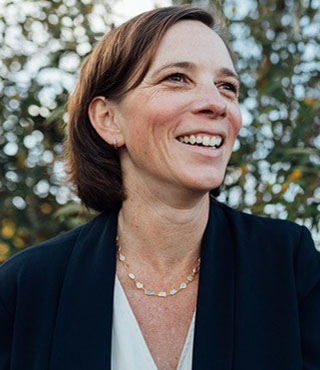
photo - Louise Bedsworth

PPIC: What has the COVID-19 pandemic taught us about our efforts to tackle climate change?

LOUISE BEDSWORTH: The pandemic has caused us to make a lot of changes quickly, some of which we know are also necessary to tackle climate change—such as the dramatic reductions in travel by car and air. Businesses have implemented telework policies at a scale we’ve never seen before, and meetings that would have taken place in person are now remote. We’ve seen that these sorts of changes can rapidly reduce air pollution and greenhouse gas emissions. Looking ahead, we can think about how to incorporate some of these changes into how we work.

In addition to changes that reduce emissions, we have also seen a number of actions that are important for building resilience. We’re seeing more people out in their communities, walking, biking, and getting outside. And we see people checking in on vulnerable residents, neighbors coming outside to talk to each other, and growing movements to shop at local businesses.

These social connections are really important for building a resilient California—one able to withstand the shocks to come. In the face of a changing climate, we have to reduce emissions, but also ensure that that our people, economies, and ecosystems are resilient in responding to  shocks and stresses. And that means building robust equitable communities that can weather these changes together.

We need to think about how we incorporate these lessons going forward—not just in our efforts to reduce emissions but also in how we’re thinking about building resilience in our communities.

PPIC: Do you see any long-term effects arising from the pandemic’s drop in emissions?

LB: We’ve seen what’s possible. We can make changes that have immediate impacts on air quality and emissions. That’s a really valuable lesson. The next step is figuring out how to make some level of these positive changes stick as we come out of the pandemic. For example, what policies do we need to encourage telework, or to encourage people to continue to drive less and walk more? Enabling just one day a week of telework could reduce commuter travel and associated emissions by 20%.

We also have to focus on how we rebuild our public transit systems, which have suffered steep declines in revenue and ridership. I think we have to be honest about the challenges facing transit systems, not just because of the financial hit they’ve taken but also to address people’s fear of being on crowded transit. How can we maintain these important systems even as we encourage more telework, biking, and walking?

PPIC: What are the economic implications of COVID-19 on the state’s climate change efforts?

LB: The pandemic has highlighted California’s equity challenges. Communities with high levels of poverty, joblessness, pollution, and poor health are bearing the brunt of this illness. We have to address the underlying causes of these inequities. The pandemic underscores the need for stronger efforts to reduce pollution and mitigate the effects of climate change—and for solutions that reduce these inequities.

We have to pay attention to how we rebuild our economy. Let’s put people to work to build more resilient infrastructure and a cleaner economy. Our long-term recovery must include investments that are in line with our goals on climate change and the environment, housing production, and quality job creation.

PPIC: What opportunities should we take from the coronavirus crisis to help address the climate crisis?

LB: We need to continue to focus on building a sustainable, equitable California. This includes building resilience in the state’s physical infrastructure as well as in our social and economic systems. If we don’t remain committed to our environmental goals as we recover from this, it will be harder and more costly to fix these problems down the road. In addition to working to maintain some new workplace practices, we need to prioritize actions that promote equity and sustainability. We must redouble our efforts to build safe and affordable housing located near jobs, schools, and transit and create high quality jobs and job training opportunities.

California can set an example for the world. The state is a leader in addressing climate change, but these changes have to happen globally. California must continue to lead by successfully demonstrating how we can emerge from the pandemic fully committed to sustainability and equity.


How Is the Pandemic Affecting Wildfire Preparedness?

A new report on the benefits of managing headwater forests to reduce wildfire risks is available here. Join us on April 30 for an online event featuring a panel of experts discussing this topic.

California has experienced catastrophic wildfires and widespread tree death in recent years that have accelerated its efforts to reduce wildfire threats to communities and improve forest health. Fortunately, the COVID-19 pandemic is not deterring these efforts—though it could complicate the work. Activities must be carried out in ways that limit the risk of infection to workers, which can be difficult when managing fire and working with ground crews over days or weeks. Here we explore the impact of the pandemic on wildfire risk reduction.

Could COVID-19 affect the state’s ability to respond to wildfires this year?

Fighting wildfires is an essential service and the state’s ability to respond to wildfires this year will not be compromised by the pandemic. The California Department of Forestry and Fire Protection (CAL FIRE), the agency responsible for the bulk of the state’s wildfire response, is gearing up for the season by hiring seasonal staff and training crews for the fire line.

“Our staffing levels will be the same as last year to meet the demands of the upcoming wildfire season,” said CAL FIRE communication officer Christine McMorrow. To prevent firefighters from contracting and spreading the virus, CAL FIRE is integrating social distancing guidelines into training exercises. The agency is also considering options for making fire camps—where firefighters eat and sleep while battling blazes—less conducive to virus spread.

Could it affect vegetation management efforts?

Most vegetation management efforts have been designated as essential services and are expected to continue throughout the pandemic. Over the past year, private landowners, nonprofit organizations, local governments, water and electric utilities, CAL FIRE, and federal agencies did significant vegetation management in preparation for the upcoming wildfire season. Work on private, local government, and state lands is largely continuing as planned. Implementing entities are encouraging social distancing measures to protect crews from infection.

“We haven’t heard of major setbacks to forest health projects yet, but it is still early,” said Brittany Covich, policy and outreach manager for the Sierra Nevada Conservancy, a state partner on many forest health projects in the region.

One major exception is national forests, which account for more than half of Sierra Nevada forestlands. On March 20, burns were suspended by the US Forest Service to avoid the spread of smoke (which can increase virus risk in nearby communities) and prevent crews from contracting and spreading the virus.

What are the potential long-term implications of the pandemic for forest management?

The economic fallout from the pandemic is forcing the state to reassess its spending priorities. This is generating uncertainty for many programs, including wildfire risk reduction. Spending in this area is one of three priorities for this year. However, it is not clear how much funding will be available for specific programs. In January, the Governor’s proposed budget included $165 million in state Greenhouse Gas Reduction Fund (GGRF) money and an additional $250 million in funding for forest health projects from a Climate Resilience Bond intended for the November 2020 ballot.

Potential recipients of forest health funds are cautiously optimistic that some GGRF funds will remain on the table, but it remains to be seen whether the legislature and voters will be willing approve new bonds in the future.

The financial condition of state partners in fire prevention and forest health—including nonprofit organizations, local governments, and the US Forest Service—is also uncertain. “Frankly, we’re all in a wait-and-see mode, but we’re hopeful that forest management will remain a high priority,” said Covich.

Wastewater Treatment Kills Most Pathogens, Including COVID-19 Virus

[vc_row][vc_column][vc_column_text]Californians reuse treated wastewater as a water supply, to irrigate crops, and to support freshwater ecosystems. To get answers to questions about managing the new coronavirus in the “sewershed,” we talked to two experts: Kara Nelson, an expert in waterborne pathogens at UC Berkeley; and Adam Link, executive director of the California Association of Sanitation Agencies.

PPIC: What risks does COVID-19 virus pose in wastewater?

Photo - Kara Nelson
Kara Nelson

KARA NELSON: We now have evidence that infectious coronavirus is excreted in the feces of infected individuals. The good news is that in the US, we already assume wastewater is full of high concentrations of infectious organisms like viruses, and we have practices in place to deal with them—including ways to protect workers from exposure. Coronaviruses have a different structure from the viruses we usually worry about in wastewater, such as hepatitis A and norovirus—and that structure likely makes it easier to kill. This gives us a high degree of confidence that we have effective treatment to manage the COVID-19 virus. So yes, there are risks, but all the information we have suggests that our existing practices reduce the risk to very, very low levels.

PPIC: Is the virus a risk in the reuse of treated wastewater?

KN: Producing safe, reusable water from wastewater already requires removing pathogens from it. While existing treatments—which are based on science and a regulatory approach developed over many decades—are likely sufficient to deal with coronavirus, we would like to see research that confirms this. Studies have already been launched in California and elsewhere to ensure measures we have in place are sufficient.

The heightened public interest in the virus provides professionals in the water industry an opportunity to share information about why reusing treated wastewater is safe and why we have a very high degree of confidence on how these risks are being managed.

PPIC: What’s the story with “flushable” wipes?

Photo of Adam Link, California Association of Sanitation Agencies
Adam Link

ADAM LINK: This was already a significant issue for us, and the pandemic has brought a huge new influx of wipes and cleaning-product debris into the system. Some wipes are marketed as flushable but don’t actually break down the way toilet paper does. They can sometimes form sizeable sewage blockages that damage pumping infrastructure, cause overflows, and increase our capital costs. CASA and many of our members are engaged in public information campaigns on the problem. Our agencies are working around the clock to keep systems functioning properly and prevent major breakdowns.

PPIC: Do you foresee any long-term impacts from the pandemic for the wastewater sector?

AL: In some ways we are similar to a business, and we have to think about the potential financial impacts of a recession on our systems. There are new orders to not terminate service if payments don’t come in, and we’re likely to see more people who struggle to pay their bills as a result of the financial downturn. So we need to put thought into planning for a new financial future. Our agencies are very good at long-term planning for capital projects, but it remains to be seen how dramatically this will change things from our current expectations. Much depends on the level of stimulus and how quickly things get back to normal.

PPIC: What gives you hope right now?

KN: The agencies and their workers—they’re putting their responsibility to deliver essential services first, before themselves, just like health care workers.

I’m also impressed with how quickly the research community has responded with new research on coronavirus and water. Therapies, tests, and vaccines are obviously the immediate priorities, but water researchers around the world have kicked into high gear to find long-term strategies to fight this and other emerging viruses. One exciting development is a global effort to monitor wastewater for the virus to quickly assess its prevalence in the sewershed; this could potentially help determine if infections are reemerging so we can respond quickly to contain them.

AL: I’m very encouraged by how well our agencies have come together to solve the new problems the pandemic raises and prepare for the worst together. There haven’t been any significant disruptions—and that’s thanks to the lengths these people go to keep the public safe.[/vc_column_text][/vc_column][/vc_row]

Commentary: Newsom’s Water Framework Is Imperfect but Necessary. The Alternative Is Further Deterioration of the Delta

This commentary was published in CALmatters on February 10, 2020.

Gov. Gavin Newsom has put forward a framework for managing water and habitat in the Delta and its watershed. As far as we can tell, no one is very happy with the framework—and that may be a good sign.

The framework is the product of years of effort to negotiate an agreement among water users, other stakeholders, and regulatory agencies. Details are yet to be worked out, including firm commitments for water and funding, along with critical negotiations with the federal government on how to cooperatively manage upstream dams and the Delta pumps. Ultimately, the package has to be acceptable to state and federal regulators.

The scope of this effort is vast.

Over the next 15 years, the proposal is to spend more than $5 billion on new river and floodplain habitat to benefit salmon and other native fish species.

This funding will also pay for a mix of new water projects, water purchases, and fallowing of farmland will provide additional water for the environment. Additionally, new governance and science programs will manage the water and habitat in the Delta, as well as the rivers that flow into it.

For many years and in multiple publications by the Public Policy Institute of California, we have been calling for a negotiated agreement in the Delta and its watershed. This agreement needs robust management that includes shared governance, reliable funding, strong science support, and regulatory backstops if parties fail to live up to their obligations.

These must-haves are outlined in our recent report: A Path Forward for California’s Freshwater Ecosystems.

It is also time to shift away from the traditional approach to addressing environmental concerns in the Delta, which has overemphasized a handful of endangered fishes and a single management tool: the volume of water dedicated to these fishes.

Success will require a broad portfolio of actions to manage the connections between water, land, and the many species—including humans—who rely on healthy ecosystems. The proposed framework makes an earnest attempt to take this broader approach.

A negotiated agreement will, by necessity, be imperfect and controversial. That’s because it is just not possible to satisfy all interests in the Delta. The trade-offs are real, sometimes painful, and can only be resolved through compromise.

Many Delta combatants are dug in, committed to fighting the same battles with the same arguments that they have been using for decades.

We can appreciate why many parties would want to hold out for a better deal, and absent that, turn to the courts in the hopes of getting their way. But as seasoned veterans of the Delta know well, the delay-and-litigate strategy has inherent risks because the outcomes are hard to predict.

In the meantime, the Delta and its watershed are changing rapidly—faster than science and management can keep up.

Many factors are to blame, including current and historic land and water management, the introduction of innumerable non-native species, declining water quality, the inexorable rise of sea level, and the changing climate.

This important ecosystem needs attention now, before conditions deteriorate further.

An agreement, with all its imperfections, provides some measure of certainty to water users and the environment alike.

If a coalition of interests sign on, even if reluctantly, the likelihood of success goes up, because all parties will have an interest in making the agreement work.

Perhaps most importantly, an agreement is the only way to comprehensively address the Delta’s problems. Drawn-out legal battles over how much water is allocated to the environment ignore all the other factors that affect ecosystem health.

We are not endorsing the specific contents of the Newsom Administration’s proposed framework. But we believe it has the “bones” of an eventual agreement that can be durable and binding, avoiding lengthy delays in addressing the Delta’s many problems.

The many Delta interests should persevere and try to make this agreement happen.  This is an opportunity—the kind that comes along rarely—to shift from fighting about the Delta’s future to actually shaping it.

Fighting Sea Level Rise the Natural Way

How will rising seas affect the state’s freshwater ecosystems, and what role do these systems play in managing the coming changes? We talked to Letitia Grenier—a member of the PPIC Water Policy Center research network and a senior scientist at the San Francisco Estuary Institute—about this issue.

photo - Letitia Grenier

PPIC: How will sea level rise affect California’s freshwater systems?

LETITIA GRENIER: We tend to think of climate change as causing a slow, linear rise in sea level, but it’s definitely not always gradual. Depending on a host of local and global factors, we could see quick changes and sudden jumps in sea level.

Rising seas will affect how we manage runoff from major storms. It’s not enough to manage water coming down rivers and rising from groundwater—we also have to account for concurrent king tides and storm surges. It won’t work to build infrastructure that only addresses sea level rise—it must also take into account flooding coming from behind and below.

Rising seas will also push salty water farther into estuaries, including the Delta. The levee system throughout the Bay‒Delta is fragile, and could fail in big storms or earthquakes. That would allow a lot more salt water to come in, which could affect the water supply for Southern California.

PPIC: Talk about the potential for “natural infrastructure” to address rising seas.

LG: Our water infrastructure was developed to address specific issues, piece by piece. No one was responsible for figuring out how to make the overall watershed work well for all the things we need it to do. Instead, we optimized the system in each location for one function—water supply, flood control and other tasks. It’s like having many people each design one part of a car without thinking of the whole vehicle—it doesn’t work very well.

This approach to managing freshwater ecosystems changed key natural processes that actually worked for us—we interrupted the flow of sediment down rivers, blocked salmon from migrating upstream, and drained wetlands. There is huge potential to redesign systems to let natural processes help us solve some of our complicated problems. For example, if we realigned a creek so that it could move sediment to the coast, it can help rebuild marshes that would protect the urban shoreline and bring a host of other benefits.

PPIC: What are the advantages of using natural infrastructure options?

LG: Bringing more benefits is the big one. Engineered solutions are mostly designed to bring just one benefit. Compared to a concrete flood basin, a marsh provides not just flood protection but also creates habitat for at-risk species, protects the shoreline, sequesters carbon, filters and breaks down contaminants, and creates recreational opportunities. And traditional engineered infrastructure has a lifespan. Over a 50-year lifespan, will it be flexible enough to adapt to climate change? Usually not. Engineered solutions also cost more over their lifetime to maintain and upgrade. In contrast, ecosystems are always changing; they can adapt in ways that engineered solutions can’t. Let’s restore these systems so they can continue to do useful work for us.

PPIC: How do we get there?

LG: We have a lot of knowledge of freshwater ecosystems, but knowing how to use them as part of our water infrastructure system is pretty new. So we need to test more, and build more. We’re doing it too slowly and at too small a scale.

We also need to work across jurisdictions. We haven’t set ourselves up socially to do this. Our current system has too many agencies with missions that aren’t well aligned. So we’ll need to voluntarily coordinate to make our watersheds work as they should—and provide incentives to bring agencies together over watershed planning. It will take time to make this change, and we’re very short on time. I think these big social challenges are harder to resolve than the science side.

Many people think of ecosystem restoration as something that is “nice to have,” not “have to have.” But growing extremes in fires, floods, and droughts are bringing people around to the realization that we’re dependent on ecosystems, and it matters if they’re healthy.  I hope that leads to the understanding that natural infrastructure is worth investing in and can perform better than traditional infrastructure in many cases. Climate change will require us to rebuild or fix a lot of our existing infrastructure. It’s a great opportunity to make transformational change.

Governor’s Budget Addresses Growing Wildfire Risks

This is the final post in a two-part series on how the governor’s budget proposal addresses natural resources. The first post looked at water and climate issues.

In recent years, California has experienced some of the worst wildfires on record, and the risk is increasing as the climate warms and precipitation becomes more variable. Governor Newsom’s proposed budget supports an array of tools for reducing the threat of wildfire. Funding for these investments would come from the state General Fund, a proposed climate resilience bond, and the greenhouse gas reduction fund (GGRF). The budget prioritizes three wildfire-related areas:

  • Boosting fire suppression resources: The budget would increase the California Department of Forestry and Fire Protection’s (Cal Fire), annual budget by $120 million. It would also add 677 staff positions over five years—an 11% increase in the state’s permanent firefighting force. These investments would improve Cal Fire’s ability to ramp up fire suppression efforts through a longer fire The budget also provides $9 million for the development of an interagency center to improve wildfire detection and responsiveness, as required by SB 209 (2019).
  • Bolstering community resilience: The budget proposes significant funding increases to make homes and community infrastructure less vulnerable to wildfire damage. It earmarks $500 million to reduce fire risks to community infrastructure, including drinking water systems, emergency shelters, and public medical facilities. It also includes $25 million for a pilot program that would provide financial assistance for home hardening (for example, switching to fire-resistant roofing) in low-income communities, as required by AB 38 (2019). Another $25 million is proposed for community resilience planning, including the development of local wildfire emergency plans. And the California Office of Emergency Services would get $50 million to help local governments prepare for, respond to, and mitigate the impact of wildfire-related power outages.
  • Improving forest health: Actions that help the state’s forests withstand high-severity wildfire, drought, and pests are essential to reduce wildfire threats. The budget builds on past efforts by allocating $165 million to Cal Fire’s forest health grant program. It also includes $250 million to supplement existing forest health programs funded by the GGRF. Finally, the $80 million allocation for the development of statewide LiDAR maps can help the state target its investments in forest management.

Managing the state’s climate-fueled wildfire threat requires both emergency fire suppression and risk reduction actions. Governor Newsom’s budget continues to move the state toward a useful balance of these efforts.

Governor’s Budget Seeks to Build Water Resilience

Earlier this month the Newsom administration laid out its vision for addressing the linked issues of water and climate in two key policy documents: the much-anticipated draft of its Water Resilience Portfolio (WRP) and the governor’s budget proposal. The WRP, which resulted from an April 2019 executive order, was developed with extensive input from state agencies and stakeholders from around California. It outlines more than 100 actions designed to ensure that communities, the economy, and ecosystems across California’s diverse regions are able to weather our increasingly volatile climate. The January budget provides a roadmap of the administration’s initial spending priorities in this area.

The big ticket item is the $4.75 billion Climate Resilience Bond, which could appear on the November 2020 ballot. More than 60% of the bond amount would directly support actions in the WRP—including integrated regional water projects, safe drinking water, flood protection, and environmental stewardship. The remainder would address other climate resilience issues for California communities—including reducing risks from wildfire, sea level rise, and extreme heat—and closing the funding gap for restoration efforts in the troubled Salton Sea.

General obligation bonds—which are repaid through the state General Fund—have been a key tool for funding water and environment initiatives over the past two decades. Although they usually pass (eight of nine have been approved since 2000, totaling $39 billion in today’s dollars), voters rejected the most recent water bond—an $8.9 billion bond on the November 2018 ballot.

The administration also proposes a modest allocation of General Fund dollars to near-term actions on the portfolio’s long to-do list. Key areas of investment include:

  • Groundwater sustainability: Groundwater is an essential drought reserve. This year, local agencies and water users in the state’s most stressed basins will begin implementing the landmark Sustainable Groundwater Management Act to bring their basins into balance. The budget proposes to spend $60 million on the hard work of reducing water demand in ways that support local communities and economies, such as water trading and making the best use of fallowed cropland.
  • Better data for decision making: The WRP emphasizes the importance of modernizing data use to make the most of our water resources, and acknowledges the key role of the state as a data collector and developer. Of note is the proposed allocation of $80 million toward development of statewide LiDAR maps—landscape contour images that can help guide investments in habitat improvements and efforts to reduce risks from flooding and sea level rise.
  • Cutting “green tape”: The WRP also stresses the importance of improving the approval process for projects designed to enhance the natural environment, which is especially vulnerable to climate change. The current process, which involves many agencies, causes lengthy and costly delays. The budget proposes to reduce “green tape” by allocating $4 million for new staff positions to help make the approval process more efficient. Even modest additional resources, coupled with strong direction from state leadership to agency staff, could help California move toward truly coordinated, expedient, and effective stewardship of our natural environment.

The administration’s proposals provide much food for thought about state priorities in the California water arena. The WRP in particular emphasizes the state’s role in facilitating and supporting efforts at local and regional levels, where most water investments take place. In the coming months, there will no doubt be a lively debate about the specifics of the Climate Resilience Bond—which must be finalized by early summer to qualify for the ballot—as well as the other ways the Newsom administration and the legislature can help the state’s communities, economies, and environment build water resilience.

A Changing Water Landscape

California saw some especially big changes over the past year in its ever-changing water world. New groundwater sustainability agencies finalized their plans to better manage overtapped groundwater supplies, and are poised to begin implementing them. In October, the Trump administration announced plans to pump more water from the Delta, complicating efforts to negotiate solutions to water supply and ecosystem management conflicts in the Central Valley. And the Newsom administration recently released a plan to make the state’s extensive water system more resilient to climate change. All of this—and much more—took place in 2019.

photo - Ellen HanakThe PPIC Water Policy Center continued its engagement on the big water issues facing California, and offered ways to tackle them.

Climate change
Climate change is bringing pressures that will seriously impact California’s water system: warming temperatures, shrinking snowpack, shorter and more intense wet seasons, more volatile precipitation, and rising seas. The issue is a defining element in much of the center’s work. Highlights from this year include:

Sustainable groundwater management
The San Joaquin Valley—California’s largest agricultural region and an important contributor to the nation’s food supply—faces growing water stress. We released a far-reaching report that details the valley’s water-related challenges, and lays out cooperative approaches that can help bring groundwater basins into balance, provide safe drinking water, and manage changes to water and land that will maximize benefits to people and nature. The center partnered with Fresno State’s California Water Institute to host a half-day event to discuss the new report’s findings. Our team also took our findings to the state legislature, various stakeholder groups, the media, multiple state agencies, and more.

Freshwater ecosystems
Our latest report calls for a new approach to protect the many benefits Californians derive from freshwater ecosystems. It lays out a plan to manage water, land, and species simultaneously to improve ecosystem health while also protecting native biodiversity and human uses of ecosystems. The approach, summarized here, is consistent with state and federal endangered species laws. We also held an event to hear from practitioners from around the state, who highlighted the advantages of this approach and the need to implement it more rapidly.

We’re thankful for these opportunities to help find creative and collaborative solutions to California’s most difficult and pressing water challenges. And as always, we thank our supporters who enable this important work.

With best wishes for a hopefully wet (but not too wet!) 2020,

Ellen Hanak

P.S. You can sign up for our weekly blog post. And you can learn more about how to support the center’s work.

California’s Wild and Scenic Rivers Act Hampers Shasta Reservoir Project

This is part of a series on issues facing California’s rivers.

California’s Wild and Scenic rivers have been in the news of late. The US Bureau of Reclamation and its cost-sharing partner, Westlands Water District, proposed to raise Shasta Dam to increase storage capacity in the state’s largest reservoir. They believe that the project would increase water supply reliability and enhance cold water storage to support salmon downstream.

Opponents of the project—including the State of California, environmental organizations, fishing groups, and Native American tribes—argue that the project would flood prime fish habitat and inundate tribal religious sites on the McCloud River, which is protected under the California Wild and Scenic Rivers Act. Given current federal and state laws, it is unlikely that the bureau will be able to raise Shasta dam anytime soon.

Congress enacted the National Wild and Scenic Rivers Act in 1968 to preserve the free-flowing condition of rivers that have outstanding scenic, recreational, geologic, fish and wildlife, historic, and cultural values. It bars federal agencies from actions that would harm these values.

California passed its own Wild and Scenic Rivers Act in 1972. The statute prohibits activities that could damage soil, water, timber, and habitat close to the river. It also bars the State Water Board and other state agencies from assisting or licensing facilities that could harm the wild and scenic values of a protected river.

The state and federal wild and scenic river systems include 26 of California’s rivers. These protected river segments and tributaries encompass about 2,000 river miles, or less than one percent of California’s rivers and streams.

A persistent myth is that wild and scenic rivers are, in effect, wilderness areas and thus protected from any uses except recreation. In fact, although both statutes protect the “free-flowing” condition of segments designated wild and scenic, most of California’s protected rivers are affected by other water and land uses—including dams and water diversions.

Yet, the Wild and Scenic Rivers Acts have had profound influences on some of California’s rivers by restricting new water projects and land uses that may impair the values for which a river was included in the system.

In 2019, the California courts ordered Westlands not to study or participate in other efforts to raise Shasta Dam, because the California Wild and Scenic Rivers Act prohibits “agencies of the state” from cooperating on facilities that could impact the free-flowing condition of the McCloud.

Although the decision did not apply directly to the Bureau of Reclamation, for several reasons it, too, will have difficulty proceeding with the Shasta expansion project. For example:

  • Raising the dam would require a “dredge and fill” permit from the US Army Corps of Engineers. Before the bureau can receive such a permit, federal law requires that it obtain certification from the State Water Board to ensure that the project would comply with state water quality standards and other legal requirements. California law would preclude the board from doing this, however, because the project would inundate a state-designated wild and scenic river.
  • Federal law also requires the bureau to secure at least 50 percent of the funding for new federal facilities from non-federal partners. Currently it has no alternative to Westlands. Moreover, most other potential cost-sharing partners—irrigation districts and other water supply agencies—are also “agencies of the state” and would be bound by the restrictions of the state Wild and Scenic Rivers Act, as was Westlands.
  • Finally, the Central Valley Project Improvement Act requires the bureau to comply with all requirements of state law. This includes the wild and scenic protections for the McCloud River.

Future efforts to expand Shasta Dam by the Bureau of Reclamation or any “agencies of the state” will therefore run afoul of multiple state and federal laws. Of course, the California Legislature and Congress could change these laws or grant a special exemption for the Shasta expansion project. But neither is likely in this time of divided government in Washington, DC, and divergent notions of federalism and environmental protection between the Newsom and Trump administrations. Thus, as the laws now stand, an expanded Shasta Reservoir—at least one that encroaches on the free-flowing stretch of the McCloud River—remains a remote prospect.