Lessons from the Pandemic for Addressing Climate Change

Clear skies and less air pollution. Dramatic drops in harmful greenhouse gases. What can these environmental “silver lining” aspects of the COVID-19 pandemic teach us about addressing climate change? We talked to Louise Bedsworth—executive director of the California Strategic Growth Council, a state agency that brings together multiple agencies to support sustainable communities and strong economies—about the issue.
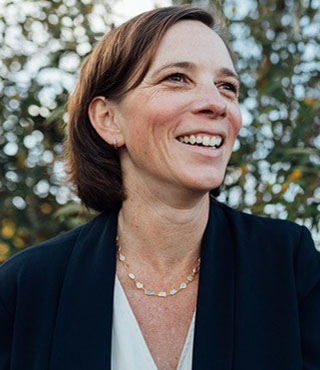
photo - Louise Bedsworth

PPIC: What has the COVID-19 pandemic taught us about our efforts to tackle climate change?

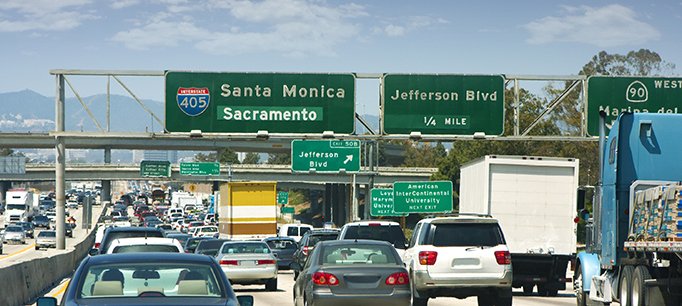
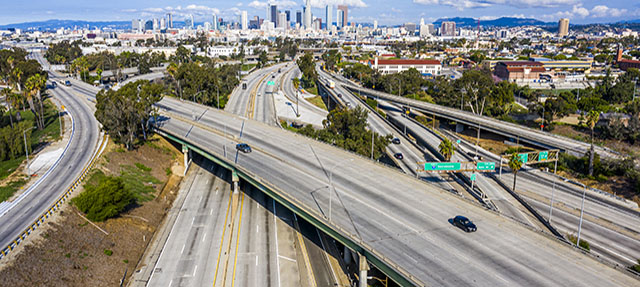
LOUISE BEDSWORTH: The pandemic has caused us to make a lot of changes quickly, some of which we know are also necessary to tackle climate change—such as the dramatic reductions in travel by car and air. Businesses have implemented telework policies at a scale we’ve never seen before, and meetings that would have taken place in person are now remote. We’ve seen that these sorts of changes can rapidly reduce air pollution and greenhouse gas emissions. Looking ahead, we can think about how to incorporate some of these changes into how we work.

In addition to changes that reduce emissions, we have also seen a number of actions that are important for building resilience. We’re seeing more people out in their communities, walking, biking, and getting outside. And we see people checking in on vulnerable residents, neighbors coming outside to talk to each other, and growing movements to shop at local businesses.

These social connections are really important for building a resilient California—one able to withstand the shocks to come. In the face of a changing climate, we have to reduce emissions, but also ensure that that our people, economies, and ecosystems are resilient in responding to  shocks and stresses. And that means building robust equitable communities that can weather these changes together.

We need to think about how we incorporate these lessons going forward—not just in our efforts to reduce emissions but also in how we’re thinking about building resilience in our communities.

PPIC: Do you see any long-term effects arising from the pandemic’s drop in emissions?

LB: We’ve seen what’s possible. We can make changes that have immediate impacts on air quality and emissions. That’s a really valuable lesson. The next step is figuring out how to make some level of these positive changes stick as we come out of the pandemic. For example, what policies do we need to encourage telework, or to encourage people to continue to drive less and walk more? Enabling just one day a week of telework could reduce commuter travel and associated emissions by 20%.

We also have to focus on how we rebuild our public transit systems, which have suffered steep declines in revenue and ridership. I think we have to be honest about the challenges facing transit systems, not just because of the financial hit they’ve taken but also to address people’s fear of being on crowded transit. How can we maintain these important systems even as we encourage more telework, biking, and walking?

PPIC: What are the economic implications of COVID-19 on the state’s climate change efforts?

LB: The pandemic has highlighted California’s equity challenges. Communities with high levels of poverty, joblessness, pollution, and poor health are bearing the brunt of this illness. We have to address the underlying causes of these inequities. The pandemic underscores the need for stronger efforts to reduce pollution and mitigate the effects of climate change—and for solutions that reduce these inequities.

We have to pay attention to how we rebuild our economy. Let’s put people to work to build more resilient infrastructure and a cleaner economy. Our long-term recovery must include investments that are in line with our goals on climate change and the environment, housing production, and quality job creation.

PPIC: What opportunities should we take from the coronavirus crisis to help address the climate crisis?

LB: We need to continue to focus on building a sustainable, equitable California. This includes building resilience in the state’s physical infrastructure as well as in our social and economic systems. If we don’t remain committed to our environmental goals as we recover from this, it will be harder and more costly to fix these problems down the road. In addition to working to maintain some new workplace practices, we need to prioritize actions that promote equity and sustainability. We must redouble our efforts to build safe and affordable housing located near jobs, schools, and transit and create high quality jobs and job training opportunities.

California can set an example for the world. The state is a leader in addressing climate change, but these changes have to happen globally. California must continue to lead by successfully demonstrating how we can emerge from the pandemic fully committed to sustainability and equity.


Video: A Conversation with Governor Gavin Newsom

Governor Gavin Newsom’s conversation with PPIC president Mark Baldassare last week focused on energy policy and climate change. After noting that it had been one year since PG&E declared bankruptcy, Baldassare asked the governor about his vision for the future of California utilities. Newsom responded by broadening the question. “We have to start thinking about our energy future and our transportation future and our low-carbon, green growth future in a collaborative mindset.”

In this context, he continued, “PG&E’s bankruptcy has turned out to be an extraordinary opportunity for this state. . . . It’s allowed us to ask questions . . . that otherwise weren’t front and center.” PG&E, he said, has to come out of bankruptcy with a vision for the future that prioritizes long-term thinking and public safety rather than shareholder return. The bottom line? California needs a “transformatively different” utility. And, he added, “if PG&E can’t do it, we’ll do it for them.”

Key to planning for the state’s energy future is making sure it works for all Californians. Going green, Newsom said, “can’t mean more income inequality.” It has to benefit both the “haves” and the “have nots”—creating jobs and ensuring affordable energy, and mitigating the dislocation that comes with change.

Another key area is wildfire mitigation and prevention. Newsom noted that the 2019 fire season was less damaging than other recent seasons, in part because “we’ve never been more prepared.” The state has been investing in new technology that monitors and predicts wildfires, as well as equipment for suppressing fires and responding to crises.

Wildfire prevention is complex, in part because, as Newsom pointed out, the federal government owns the majority of forest land in California. “We are doing the job the federal government is no longer doing,” Newsom said, adding that “the Trump administration’s budgets have been proposing cuts to forest management.” Land-use patterns are another complicating factor. New building codes have helped recently built housing survive fires, but there are a large number of older buildings in fire-prone areas.

As Newsom sees it, the challenge of implementing the state’s ambitious climate mandates is to bring politics and policy into alignment. “Politically, I recognize that what’s necessary may be impossible. But also I recognize from a policy perspective that what is impossible has to become necessary.” The ultimate goal, of course, is to move California forward: “The world is changing. We have to change with it.”

Video: Travis Allen’s Priorities

Mark Baldassare, PPIC president and CEO, asked Assemblymember Travis Allen, candidate for governor in 2018, to name the top three issues with major consequences for the state’s future—a question Baldassare has asked of all gubernatorial candidates appearing before PPIC audiences. Allen said his top priorities would be

  • Cutting taxes
  • Getting tough on crime, and
  • Fixing roads and expanding freeways

Allen, who is campaigning to repeal the state gas tax increase passed last year, said California is already collecting enough tax revenue to improve roads and unclog the freeways.

“We can fix our roads, we can expand our freeways, we don’t need to raise taxes further to do it,” he said. He added that voters should be the ones to decide if they want to raise taxes.

The conversation with Allen is part of the PPIC Speaker Series on California’s Future. PPIC is inviting all major candidates for governor to participate if they reach a certain threshold in the polls. The goal is to give Californians a better understanding of how the candidates intend to address the challenges facing our state.

Watch all candidate videos

Video: Tom Steyer on the Issues

Tom Steyer—business leader, philanthropist, and possible Democratic candidate for governor—has invested his money and time in activism since leaving the private sector. Moving beyond his initial environmental advocacy, Steyer supported candidates and causes across the state and nation in both the 2014 and 2016 elections.

He sat down to talk to Mark Baldassare, PPIC president and CEO, about his views on policies that will affect the future of California. Steyer would not say whether or not he’s running for governor. But he had a lot to say about the current political climate.

Asked to name three issues that will affect California’s future, Steyer listed priorities that he said are inextricably linked and cut across traditional policy areas:

  • Addressing income inequality: The state has rebounded economically since 2008, Steyer noted, but it is the top 1% of residents who have benefited. While income inequality is a critical issue across the nation, its impact is heightened in California, Steyer said, affecting housing, transportation, education, and incarceration.
  • Investing in our state to rebuild the way we live together: California needs to create a more sustainable way of living that preserves the beauty of the state. “We’ve build the state around the internal combustion engine,” Steyer said. “We have to rebuild the way we live.”
  • Protecting and strengthening our democracy: “California citizens are basically losing a silent fight with special interests,” he said, noting his support for ballot measures that were “direct contests” with special interests, including oil and tobacco companies. “I think the threat to democracy that we’re seeing coming out of Washington, DC, is as profound as I’ve seen in my lifetime.”

Californians Opposed to Governor’s Transportation Plan

In PPIC’s most recent statewide survey, 61% of Californians say that spending more money on the maintenance of roads, highways, and bridges is very important for California’s future quality of life and economic vitality. At the same time, a majority of Californians (54%) oppose the governor’s proposal to do so. His transportation funding plan would provide $43 billion of additional spending for state and local transportation projects, with money coming from a new $65 vehicle fee and an increase in gasoline and diesel taxes. Republicans are overwhelmingly opposed to the governor’s proposal and independents are divided. Among Democrats, a slight majority (53%) favor the plan while 42% oppose it.

Californians’ reluctance to support the governor’s plan is understandable in light of another survey finding: many are not satisfied with the way transportation funds are being spent now. When asked what is most needed to improve the quality of California’s roads and surface transportation, 51% of adults choose the wiser use of existing funds. This response contrasts with what Californians said when asked a similar question about higher education funding in December. Just a little over a third (36%) said that the wiser use of existing funds alone would significantly improve the quality of public higher education.

Among Californians who oppose the governor’s proposal, 64% say that the wiser use of existing funds is the best way to significantly improve the quality of the state’s roads. Only 30% say that both wiser use of existing funds and more state funding is needed.

Across parties, 80% of Republicans and 69% of independents who oppose the governor’s plan think that the wiser use of existing funds is the best approach. Notably, Democrats who oppose the governor’s plan are far more likely than those who support it to say that the wiser use of funds alone is a way to improve California’s roads, highways, and bridges (55% to 31%). If the governor hopes to win the support of some of those 42% of Democrats who oppose his plan, he will likely have to overcome the perception that transportation funds are not being put to good use now.

Learn more

Read the January PPIC Statewide Survey: Californians and Their Government
Find out more about the PPIC Statewide Survey

Video: Legislative Leaders Look Ahead

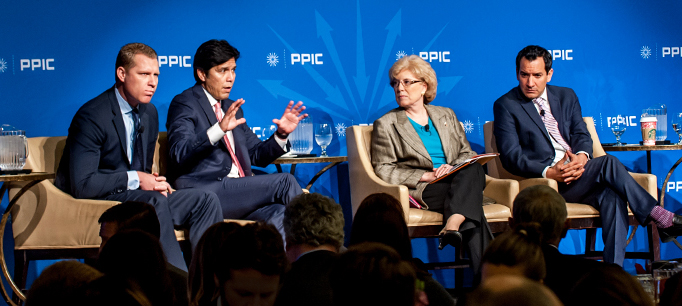
Despite their political differences, California’s legislative leaders have similar views of the state’s most pressing challenges. In a conversation facilitated by PPIC this week in Sacramento, the two top legislators from both major parties provided a preview of the issues they expect to tackle this session. With the impact of federal policy changes still unclear, the legislative leaders focused on longstanding challenges.

Asked to list the top issues the legislature and governor need to work on this session, Anthony Rendon, the Democratic speaker of the state assembly, named housing and transportation—topics he heard about repeatedly as he campaigned around the state. He said he saw the impact of a housing and transportation crisis first hand when walking precincts in the Inland Empire. “If you knock on someone’s door at 7:00, 7:30 p.m., they’re not home yet. They’re still on the freeway.”

Jean Fuller, the Republican leader of the state senate, sees the top issues as affordability in California generally and jobs. “We are concerned about housing, but we are also very concerned about jobs.” She noted that in her district, which stretches from Visalia to Twenty-Nine Palms, there is double-digit unemployment.

Kevin de León, the Democratic state senate president pro tem, said the past legislative session had been particularly productive; he highlighted minimum wage, gun safety, and climate change legislation. In this session, he said, “we have to deliver on the issues of housing and transportation and the issue of economic growth.”

For Chad Mayes, Republican leader of the assembly, poverty is the number one issue in the state, which has the highest poverty rate in the nation. “If you use that as a performance measure for how well our board of directors—the state legislature—is doing, I think you’d have to say we have been failing.” He added: “We’re failing, in large part because of housing costs.”

The speakers acknowledged major policy differences. But they pointed to past successes in bridging them as a sign that they can do so again.

“Things are not broken here, in comparison to DC,” said de León.

Video: A Conversation with Legislative Leadership

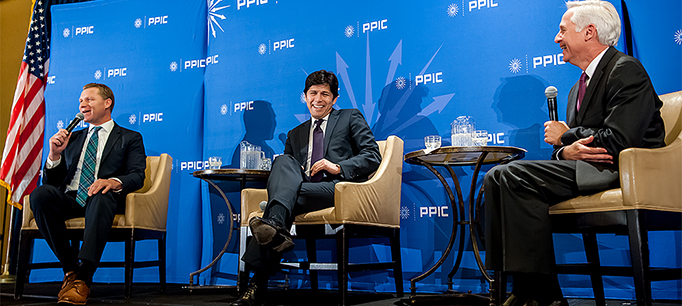
At a PPIC event last week, Kevin de León, senate leader pro tem, and Chad Mayes, the Assembly Republican leader, were asked to name the top three issues the legislature should work on with the governor. Though the leaders come from different sides of the aisle, the list of issues they named before a large Sacramento audience had a lot in common. De León’s priorities began with income inequality between the coastal and inland regions, a “tale of two states.” He also listed water and making targeted investments, particularly in higher education. He went on to list a fourth issue: climate change.

Mayes named water and a lack of water infrastructure, and the many Californians left behind in the state’s economic recovery. His third issue was transportation, the focus of an ongoing special legislative session.

“Everywhere that I go in California,” he said, “I’m stuck in traffic. So we know there’s a problem.”

The leaders’ top issues dovetail with findings from the latest PPIC Statewide Survey in which Californians identify water and the economy as the most important issues for the legislature and governor to work on in 2016. 

Though De León and Mayes named similar priorities, there was much less agreement on solutions. But the two maintained a collaborative tone throughout their conversation, denounced what Mayes termed “demagoguery on the national stage,” and repeated their commitment to working together productively.

De León said the legislature can avoid being mired in bitter national political debates if leaders continue to work cooperatively to “get some real tangible victories for Californians.”

“We’re doing things very differently in the state of California,” he said.