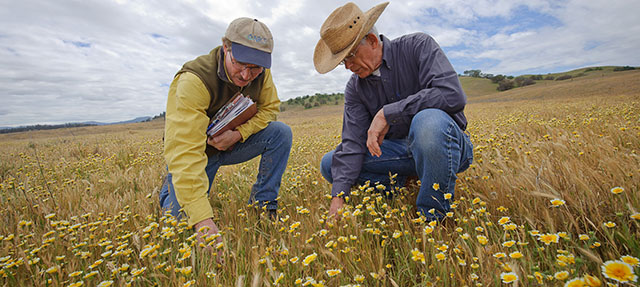
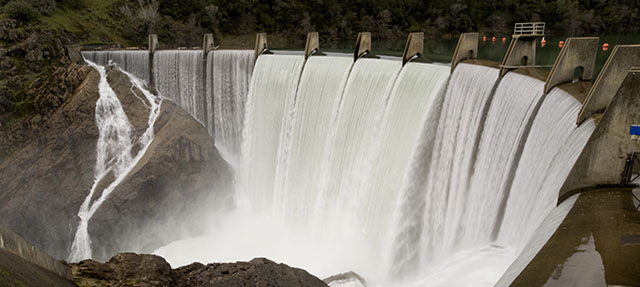
Video: A Path Forward for California’s Freshwater Ecosystems

“The current approach for ecosystem management is not working. We’re proposing an alternative path,” said Jeff Mount, senior fellow at the PPIC Water Policy Center, at a public briefing in Sacramento last week. He described two ways the current path is failing: in preserving the broad economic and social benefits associated with healthy ecosystems and in reversing the long-term downward trend in native biodiversity and ecosystem conditions. “The Endangered Species Act misses all that. It’s emergency room treatment” of a chronic problem, he added.

The event launched a new report that proposes managing more broadly for ecosystem health while still protecting species at risk of extinction. “We need diverse, complex, and varied ecosystems to recover species,” he noted.

A panel of experts brought real-world experience to the discussion. Panelists have worked on a plan to protect habitats for multiple species in the Upper Santa Ana watershed, a program to restore the San Joaquin River, and the effort to remove dams on the Klamath River, among others.

Heather Dyer, an endangered species biologist with the San Bernardino water district, said that in the Upper Santa Ana watershed, a large group of stakeholders is seeking to “reestablish a community of species” rather than solely focusing on one or two endangered species. She noted that improving the health of ecosystems requires planning at larger scales—and with the full landscape of regulators and stakeholders coming together to work things out.

Ali Forsythe of the Sites Reservoir Project noted that the hardest lift for large-scale projects is building trust among diverse stakeholders—especially when the project has had a long history of litigation behind it, as the San Joaquin River restoration did.

Lester Snow, now with the Klamath River Renewal Corporation, raised the issue of urgency for improving the health of the state’s freshwater ecosystems. Noting that the Klamath dam removal is already at the 13-year point with the four dams still standing, he said, “It’s these lead times that I think are killing us. Climate change and the change of our natural resource system are moving faster than we’re responding,” with grave implications for water supply reliability and ecosystem health. “We cannot have two decades of litigation and negotiation to address a problem that is critical today.”

We invite you to watch the event video.

Commentary: California Must Stop Relying on the Endangered Species Act to Manage the Environment

This commentary was published on CalMatters on November 5, 2019.

In California, state and federal Endangered Species Acts play an important and often outsized role in regulating water and land management. These powerful laws are also often at the center of conflicts between environmental and economic uses of water.

The state and federal acts have helped prevent the extinction of species and encourage better stewardship of water and the environment. But endangered species protection is often used as a proxy for protecting the environment, something the act are not intended to do. Here’s why we need a better tool.

Under the endangered species acts, state and federal agencies narrowly target regulations to protect listed species from direct harm and loss of critical habitat.

To illustrate, the recent dust-up between the Newsom and Trump administrations over proposed increases in water diversions from the Sacramento-San Joaquin Delta is mostly about actions affecting two endangered fish: Delta smelt and winter-run Chinook salmon.

This narrow focus ignores the fact that it is the ecosystems of the Delta watershed, and the diverse array of social, economic, and environmental benefits, that provide value to all Californians.

But given the narrow mandates of the acts, the arguments and lawsuits tend to focus on just one aspect of these ecosystems: the trade-offs between endangered species and water extraction.

To be clear, society places great value on native biodiversity and rightfully seeks to prevent extinctions. For many, protection of threatened or endangered species is a way to leverage improvements in the overall health of ecosystems.

Unfortunately, that is beyond the scope of the state and federal acts.

To promote healthy ecosystems and protect native biodiversity, California needs a different approach.

A new report by the Public Policy Institute of California’s Water Policy Center recommends that California adopt ecosystem-based management. This doesn’t require major reforms to state or federal endangered species acts. Rather, we recommend a shift in the way these acts are implemented.

Widely used in other countries and in marine fisheries and forest management in the United States, ecosystem-based management emphasizes improving ecosystem condition. The goal is to simultaneously protect native biodiversity while improving other uses of freshwater ecosystems.

It integrates human needs such as water supply and quality, flood risk reduction, hydropower, recreation, and spiritual uses into management objectives and promotes actions that create multiple benefits.

Importantly, this approach is consistent with the acts and other state and federal laws that govern water management. A growing body of research suggests that managing at the ecosystem level, rather than emphasizing the protection of a narrow range of habitat deemed critical, improves the likelihood of recovery of listed species. It also helps head off future endangered species act listings by improving conditions for all native species.

Shifting away from single-species to ecosystem-based management will not be easy. It requires three things:

  • The state needs to rethink planning and governance processes to include all beneficiaries of freshwater ecosystems, not just advocates for water supply and endangered fish. This includes finding new ways to align agency priorities and permitting rules—now a major obstacle to ecosystem improvement projects.
  • The state needs to use new tools that go beyond traditional regulatory approaches for environmental water, such as setting minimum flow and water quality standards. One promising approach is to create ecosystem water budgets, which can be stored and traded like a priority water right. This water can be flexibly allocated to improve ecosystem condition, and managed along with habitat changes to maximize benefits.
  • The state needs to incentivize and institutionalize ecosystem-based management. Given its broad water quality and water right authorities, and its mandate to balance all uses of water, the State Water Board should take the lead.

The board would set the criteria for ecosystem-based management plans and incorporate them into water quality control plans. Where possible, these plans would be supported by negotiated agreements between regulatory agencies, water users, and stakeholder communities.

We don’t need to start from scratch. Elements of ecosystem-based management are being employed throughout the state. For example, the Delta Stewardship Council and the Central Valley Flood Protection Board have plans to simultaneously improve ecosystem condition and human well-being.

A novel ecosystem-based approach to water and species management is being implemented in the Upper Santa Ana Watershed in Southern California. And the Newsom administration’s efforts to develop voluntary agreements for environmental water allocation in the Central Valley take a broad approach to improve ecosystem health.

These nascent efforts are not enough. Changing course will require commitment to new ways of planning and managing. Most importantly, it will require risk-taking and leadership from the water users, state and federal officials and legislators.

This won’t be easy. But the alternative is to keep doing what we’ve been doing, which isn’t working for anyone.

Reducing Flood Risk in the Central Valley

The Central Valley has some of the highest risk of flooding in the state, and that risk is growing as the climate changes. We talked to Tim Ramirez, a member of the Central Valley Flood Protection Board, about how this risk is being managed for current and future conditions.

photo - Tim Ramirez

PPIC: Talk about managing flood risk in the valley.

TIM RAMIREZ: The valley has always flooded, especially in spring when snow melts in the high Sierra. Before it was developed, the landscape was often an inland sea in the spring. Now that many more people live there, it’s harder to minimize risk. The flood management system in the valley was envisioned 150 years ago, and in a lot of ways it continues to work. But the climate is changing with more rain and less snow, requiring an update.

That’s where the Central Valley Flood Protection Plan comes in. The plan is meant to not only protect people but also to help restore river ecosystems. We need to give rivers more room to flood, which better protects people and creates floodplains for native fishes, including Chinook salmon. For example, the Sacramento Valley Chinook salmon fall run is the single most important commercial fishery off northern California and southern Oregon, and there’s been a lot of work to ensure the health of those populations. There’s been a big push to restore salmon populations on the San Joaquin River, too. Reconnecting rivers to their floodplains is key to restoring salmon and illustrates the multiple benefits we can get from one project.

Rivers in the San Joaquin Valley in particular need more room. The San Joaquin River and its main tributaries—the Merced, Tuolumne, and Stanislaus—flow through Fresno, Merced, Modesto, Oakdale, and other communities. Each has less than 10,000 cubic feet per second (CFS) peak flow capacity in their floodways. By comparison, the American River has expanded its floodway and can now safely release more than 100,000 CFS. The San Joaquin system is plumbed to store and meter out snowmelt. But almost all climate forecasts show more rain and less snow. The reservoirs and levees on the San Joaquin aren’t designed or operated for large rainfall events or the “pineapple express” floods (like the January 1997 floods) that come from rainfall on large snowpack.

PPIC: Talk about the flood plan.

TR: What’s unique about the valley is that the state—through our board—is responsible for operating and maintaining levees. The plan outlines what needs to be done to minimize flood risk and restore river ecosystems. The first plan was completed in 2012. We’re scoping now for the third update, due for adoption in 2022. The most important thing about this update is the acknowledgment that we need to modify the system for changing climate conditions.

When the next big flood happens we’ll have a lot more people living in harm’s way. The most immediate thing we can do is make better use of new forecasting tools and prepare to execute evacuation plans, so we can get people to high ground.

One of highest long-term priorities is to make investments where the San Joaquin River flows into the Delta near Stockton. A lot of improvements are happening on the Sacramento side of the system—for example, setting back levees to make more room for floods—but not as many on the San Joaquin side. The state needs to support local efforts on the ground and also flesh out the plan so we can start building multi-benefit projects on the San Joaquin side.

PPIC: What is one thing you hope to see accomplished in five years?

TR: That’s easy—create expanded flood capacity, including new floodplain habitat, on the San Joaquin side of the system. I also want the state to set new standards for how much bigger our floodways need to be to protect Central Valley communities, taking into account our changing climate.

Near term, we also need to fund the necessary operations and maintenance for the system we have now. It’s a universal problem that affects flood management and management of other water systems, forests, and the electric grid.

Watch Tim Ramirez and other panelists discuss protecting Californians from fire, floods, and drought at our November 2019 water conference.

Video: Preparing California’s Water System for Climate Extremes

Climate change is stressing water management across California. This week the PPIC Water Policy Center hosted its annual half-day workshop in Sacramento to discuss how state and local leaders can help prepare California’s water system and ecosystems for greater climate volatility.

“California has the most variable year-to-year climate of any state in the lower 48,” said Ellen Hanak, director of the PPIC Water Policy Center. “This is expected to increase, with drier dries and wetter wets.” Water management of the future will “need to start managing our droughts for floods and our floods for droughts,” she added, because greater volatility will make it harder to manage multipurpose reservoirs for both floods and droughts at the same time. Flexible, multi-benefit approaches—and solutions that are aligned across agencies—are going to be increasingly important in tackling these complex challenges.

The first panel focused on managing fast- and slow-moving disasters—floods, fires, and droughts. Panelists discussed the impacts of the recent fires on communities and local water systems, and the types of tools and partnerships that can help minimize risks. Tim Ramirez of the Central Valley Flood Protection Board described the significant and increasing flood risk in the San Joaquin Valley and called for a flood bypass to protect the growing Stockton region. And Michael Thompson of Sonoma Water called for funding from the state to support the “collaborative infrastructure” that will enable agencies to work together more effectively.

A panel on safe drinking water summarized the current status of the problem and discussed how to best use the new Safe and Affordable Drinking Water Fund to ensure that the water delivery system works for everyone. “I think that in five years we want to see every child in California has safe drinking water in their home,” said Jonathan Nelson of the Community Water Center. “The way we do that will be through multiple strategies, but that’s the vision we want to work toward, and ideally, as quickly as we can.”

Darrin Polhemus of the State Water Board said small water systems pay more for their systems and supplies, have a lack of management and technical capacity, and are particularly hard hit by water contamination and shortages. He noted that “we have to change this whole paradigm” to help improve how small water systems operate.

The final panel brought key state officials to the stage to discuss the governor’s water resilience portfolio, now being developed to address the challenges of a more volatile climate. Wade Crowfoot, secretary of the California Natural Resources Agency, said a top priority is to make it easier to help the environment and get multiple benefits out of water projects. “Permitting wetlands restoration is the exact same process as permitting a strip mall,” he said. “So while we’re threatened by climate change and our ecosystem is under unprecedented threat, state government makes it really expensive and slow to get [such projects] done.” He said his agency is committed to cutting “green tape” that slows ecosystem restoration projects.

Sounding a particularly hopeful note, Karen Ross, secretary of the California Department of Food and Agriculture, said we have “an opportunity of a lifetime for farmers to step up and identify how they can be part of the solution to climate change.” She noted that farm practices can sequester carbon while also building resiliency to help farms weather droughts and floods.

We invite you to watch the videos from this event:

Taking on Tough Challenges at the State Water Board

The State Water Board is central to addressing many of California’s major water challenges, including protecting water quality for drinking and for the environment, addressing drought and water conservation, and managing the allocation of surface water. We talked to Sean Maguire, a civil engineer who was appointed to the board by former governor Brown in December 2018, about priority issues.

Photo of Sean MaguirePPIC: What are the big challenges the board is grappling with right now?

Sean Maguire: At the top of our list is the Bay Delta water quality control plan. The plan, which covers the Sacramento–San Joaquin watershed and Delta, must ensure a reliable water supply and protect the basin’s fisheries and ecosystems. We’re working through a process that is very complex and has a lot of moving pieces—and right now it’s unclear if we’re on track to meet all of these goals. But it’s exciting to think there is a stakeholder-devised solution at hand—the voluntary agreement process—which would set out a plan to manage multiple rivers in a coordinated way, coupled with large-scale habitat restoration and science programs. There is still a long ways to go, but I have hope that voluntary agreements will prove to be the best path forward.

At the same time, we’re preparing for climate change. It’s clear that going forward we have to be incredibly efficient in our water management. The last drought resulted in legislation to establish indoor and outdoor water use efficiency targets and to require urban suppliers to develop stronger drought contingency plans. Many small water systems rely on a single source—most often groundwater—and we’re helping them find opportunities to connect to larger communities and identify new supplies. This is where water portfolios can help build resilience to drought and get us ready for a changing climate.

And finally, the most exciting news is the establishment of the Safe and Affordable Drinking Water Fund earlier this year. California has 7,000 water systems and hundreds of thousands of residents using domestic wells—a situation that presents a lot of challenges because many struggle to meet drinking water standards. The fund is a high priority for us, and we’re committed to coming up with a plan and policies to implement it, while also working on projects that can get started right away.

PPIC: Talk about contamination challenges.

SG: Water contamination is a huge challenge for the whole state. There are so many different sources, and many contaminants of emerging concern. The board is at the beginning of tackling PFAS contamination. This is a class of “forever chemicals” used in a wide range of products—for example, nonstick coatings, water repellants, take-out containers, and fire retardants. We’re moving quickly to better understand the risk by requiring testing wells in close to possible source sites (such as defense facilities, landfills, and airports), and also requiring those facilities to test local groundwater. We are also working to understand the human health effects, which will take some time.

PPIC: What gives you hope?

SG: In the past year, there’s been incredible collaboration surrounding really controversial water issues that have lingered for decades. I’m very hopeful about the stakeholder-informed solutions that are arising out of these processes. In addition to the Bay Delta process, we now have a strong wetlands policy—a collaborative solution that was a decade in the making. We have another stakeholder plan to address legacy pollution from farming and other discharges in the Central Valley. I hope we can repeat this type of collaboration with other issues and in other watersheds across the state. I have a lot of hope for the groundwater sustainability plans that are being developed now in the state’s overdrafted basins. And I believe the governor’s upcoming water resilience portfolio will give us a roadmap to help California prepare for the climate changes to come.

The state has a lot of complex water problems, and we can’t untangle them all with one brilliant policy change. But we’re making progress on many difficult issues, and I’m committed to keeping up the momentum.

New Laws Address Safe Drinking Water, Groundwater Recharge, River Health

It’s been an eventful year for California water policy. A milestone law to address the state’s drinking water challenges, which was signed by Governor Newsom earlier this year, established a $1.3 billion Safe and Affordable Drinking Water Fund. In line with its broader policy focus on climate resilience, the administration is also creating a Water Resilience Portfolio Initiative, a collaborative effort by various state agencies to ensure water resilience in the face of a changing climate. A number of bills recently signed into law build on the progress made in this area. Here are some highlights:

  • Safe drinking water: Continuing the forward momentum of the drinking water fund, two new laws tackle water quality and supply, especially in rural, disadvantaged communities. Assembly Bill (AB) 508 authorizes the State Water Board to order water system consolidations in communities with domestic wells that consistently fail to provide safe drinking water. The bill also requires the board to ensure the consolidation is financially and technically possible, and to compensate for financial losses experienced by the water system that takes over the small system. And Senate Bill (SB) 513 authorizes the State Water Board to provide immediate relief for households whose wells have gone dry due to droughts or other disasters.
  • Groundwater recharge: A new law will also make it easier for water users to bring their groundwater basins into balance—another key to long-term water resilience. AB 658 seeks to enable more recharge of depleted basins, one of the most promising approaches for addressing groundwater overdraft. The bill streamlines the permitting process for groundwater sustainability agencies (GSAs) and other local agencies to divert surface water for groundwater recharge. This tool is timely for the GSAs; those in the most overdrafted basins are now finalizing plans to manage their basins under the Sustainable Groundwater Management Act.
  • Health of rivers, lakes, and streams: Challenges with freshwater quantity and quality for ecosystems were addressed by two new laws. SB 19 addresses a key data gap that makes it harder to manage water for ecosystems, especially during droughts. California currently lacks stream gages—which help monitor water levels—on half of the rivers and streams that support critical habitats. The bill requires the Department of Water Resources and the State Water Board to develop a plan to modernize and expand the state’s stream gage network. And to address a growing water quality threat, AB 834 establishes a program to mitigate harmful algal blooms in California’s rivers, lakes, and estuaries, which pose a health threat to people and animals. The program will assess and monitor algal blooms, and publish the incidents and the resulting action online.

There is no one-size-fits-all solution for California’s complex water challenges. This legislative cycle brought a range of solutions, from those with a broad scope, like data collection, to more targeted tools to address groundwater recharge and dry wells. Both types of approaches are needed to strengthen existing policies and take our water management forward.

New Laws Help Prepare Communities for Wildfire

California has taken a number of steps over the past two years to reduce the pervasive threat of wildfires to the state’s communities and mountainous forests. Last year, Governor Brown focused on fostering more active management of headwater forests to improve their resilience to fire, drought, and pests. CalFire has begun spending the $1 billion allocated for forest health and fire prevention on projects across the state. These efforts are especially important to improve the health of headwater forests, which have become overly dense as a result of fire suppression.

This year, the legislature and Governor Newsom have shifted the focus to making communities more resilient to wildfire, including efforts to improve prevention, response, and mitigation. For example, the governor’s budget included nearly $1 billion in additional funding to bolster wildfire emergency response and mitigate threats to communities. The governor also signed several new laws to address community wildfire risks. Here are some highlights:

  • Help homeowners and communities become more fire resistant: New laws will increase the number of homes, businesses, and other properties that are resistant to damage from wildfires. Assembly Bill (AB) 38 creates a new program that will direct state and federal money to modify buildings and manage vegetation around properties. Senate Bill (SB) 190 requires the State Fire Marshal to develop model “defensible space” guidelines that local governments can use to enforce rules on reducing flammable vegetation around at-risk homes.
  • Improve wildfire emergency preparedness: Several bills will improve communication about impending wildfire threats and help communities prepare, including by setting up clean air centers. SB 209 creates a centralized state office for predicting and communicating wildfire weather threats to electric utilities, firefighters, and communities. SB 670 improves local emergency operations by requiring the Office of Emergency Services to share information about outages with 911 telephone services in threatened areas.
  • Manage flammable vegetation: Governor Newsom’s state-of-emergency proclamation in advance of this year’s fire season temporarily streamlined environmental review for CalFire fuel reduction projects in fire-prone communities. But CalFire will need to obtain environmental permits to continue that work under non-emergency conditions. SB 632 accelerates the approval of permits for fuel reduction to mitigate wildfire risk.
  • Increase oversight of electric utilities: A suite of new laws increases oversight of electric utilities. SB 70 requires utilities to justify decisions not to bury power lines, which can reduce wildfire risk. Vegetation management activities required by utilities’ annual wildfire mitigation plans will be subject to increased oversight by the California Public Utilities Commission under SB 247. And SB 167 requires those plans to also evaluate how power system shutdowns can affect vulnerable populations (such as people with medical conditions) and consider ways to mitigate these impacts. SB 560 requires utilities to provide advance warning about power shut-offs to entities that are essential to wildfire response, including public safety offices, health care facilities, and mobile telephone carriers.

Reducing wildfire risk in California’s many wildfire-prone landscapes is a multifaceted issue. Improving community safety and forest health are both key components of living with wildfire. Recent state policies have expanded the tools we can use to build resilience in our communities and forests. Going forward, much more can be done to improve our ability to live with wildfire.

How the USDA Helps California Farmers Steward Water and Land

The US Department of Agriculture (USDA) is the largest federal agency in charge of food and farm policy in the US. But the agency also has a lesser known role: it runs a large portfolio of programs to promote conservation of soils, water, and wildlife habitat on farms.

California gets on average $150 million a year from the USDA’s suite of resource stewardship programs. The programs are operated by two of the nineteen agencies within the USDA: the Farm Service Agency (FSA) and the Natural Resource Conservation Service (NRCS).

USDA’s conservation programs can be broadly grouped into three categories: (1) temporary land retirement programs, (2) longer-term or permanent “easement” programs to protect farmland, and (3) working land programs that focus on resource stewardship of lands in agricultural production. NRCS also provides technical assistance to support these efforts.

The temporary land retirement programs are underutilized in California. These programs pay landowners to take land out of production to implement conservation practices, such as planting cover crops to improve soil quality. These programs accounted for 3% of the USDA resource stewardship funding in California from 2012–17, versus 32% nationally. Low enrollment in these programs in California reflects a variety of factors, including low payments and high land values for irrigated cropland in the state.

Landowners who enroll in longer-term or permanent easement programs retain legal title but commit the land to a specific use—for instance, converting croplands to wetlands—or commit to prevent commercial development on farmland. These programs also account for a small share of the USDA stewardship portfolio. Nonetheless, USDA easements support important conservation efforts across the state. For instance, NRCS was a major partner in the restoration of Dos Rios Ranch, a project adjacent to the San Joaquin National Wildlife Refuge that converted agricultural lands to habitat and helped an endangered species, the riparian brush rabbit, make a comeback.

Working land programs are especially popular in California, accounting for almost 70% of USDA agricultural conservation funding in recent years. The majority of these funds have been used to install more efficient irrigation systems and replace old diesel engines on farms to protect air quality. Programs also support a variety of other activities, including managing manure on dairies to protect water quality or installing hedgerows to create habitat for pollinators on farms.

Generally speaking, the USDA conservation programs support conservation practices on a farm-by-farm basis. But to realize broader benefits, investments often need to be on a larger scale. The Regional Conservation Partnership Program (RCPP)—introduced in 2014—encourages landowners to join forces on resource concerns. To date, RCPP has funded 21 projects in California, including helping rice producers extend their watering season to support migratory birds and supporting development of a traditional land management plan by the Yurok Tribe.

There is considerable potential to use USDA’s stewardship programs in new ways to help address changes on the horizon for California’s agriculture. Across the state, farms face growing requirements to address water scarcity and quality problems. Ending the long-term overuse of groundwater is a huge challenge. In the San Joaquin Valley, closing the gap will likely involve idling some cropland. It will also require finding cost-effective ways to recharge groundwater basins.

To assist in these efforts, working lands programs could support on-farm recharge as well as management practices to prevent dust, pests, and weeds on fallowed lands. Temporary land retirement programs could fund multiple-benefit management of lands that are transitioning out of irrigation, supporting efforts to conserve water, recharge groundwater, improve soil health, and restore habitat.

The 2018 Farm Bill increased the USDA’s capacity to provide this help. Funding for the largest working lands program in the valley has been increased, and it is now available to support projects by local water management agencies as well as individual farmers. Funding has tripled for the innovative RCPP program, which leverages public and private dollars to tackle regional conservation challenges. And throughout the farm bill, conservation programs now cover soil health and carbon sequestration as targeted outcomes.

By working together with the USDA, the state’s farmers and their local and state partners could make better use of these programs and address new challenges at hand.

figure - USDA’s Working Lands Programs Are Popular in California, but Temporary Land Retirement Programs Are Underused

Water Policy Priorities for a Changing California

How will climate change affect California water management, and what steps should the state take to prepare for these changes? The PPIC Water Policy Center was asked by the Newsom administration to submit formal comments outlining key water policy priorities for the state—and ways to integrate actions across state agencies to implement these priorities. Our recommendations will inform the administration’s preparation of a water resilience portfolio. We address two key areas where the state can play a leading role—modernizing the water grid and protecting freshwater ecosystems.

California’s “water grid”—the network of reservoirs, aquifers, rivers, and water conveyance and flood control infrastructure that connects much of the state—was built for a climate that no longer exists. Yet it is the most important asset the state has for addressing changing conditions, both statewide and within regions. A modernized water grid, coupled with more flexible management, can reduce the cost of future droughts, improve how we manage flood risk, and help protect freshwater ecosystems. The state has made important advances in assessing and improving its water supply infrastructure, but it still lacks a comprehensive program to address storage, conveyance, and operational challenges in the next few decades.

California’s freshwater ecosystems present special challenges. The state’s native biodiversity continues to decline, despite decades of effort to improve conditions. Problems encountered during the 2012−16 drought—high water temperatures, low flows, insufficient cold water stored in reservoirs, and degraded habitat—will all likely worsen as droughts become more intense. Management of cold-water-dependent species—including salmon, trout, and some resident fishes such as Delta smelt—will continue to pose a significant challenge for water managers and regulators as conditions warm. Changing habitat conditions could make it impossible for some species to remain viable in their historic locations. And conflicts between the need to protect native species and land and water management activities are likely to increase. Here, too, some promising actions have been taken, but more needs to be done to prepare for coming changes.

Tackling these complex challenges with an integrated water resilience portfolio is a bold step, and one that has the potential to make California a leader in climate adaptation. You can read our recommendations to the administration here.

Managing a Non-Native Delta Ecosystem

The Sacramento–San Joaquin Delta has more non-native species than native ones, and its estuary is considered the most invaded in the world. We talked to Jim Cloern—an emeritus scientist with the US Geological Survey and an adjunct fellow at the PPIC Water Policy Center—about this challenge.

photo – Jim Cloern

PPIC: How have non-native species changed the Delta?

Jim Cloern: The plant and animal communities are very different than they were 50 years ago. There are more than 200 non-native species of animals and plants in the Bay and Delta; all were introduced by people, many in the last half century. Some of these introduced species are relatively low in abundance, but some have emerged as “keystone species.” That means they now play a prominent role in the ecosystem, either by changing processes like food production for fish or by reshaping biological communities.

Probably the best-known example is a non-native clam indigenous to Asia that was first discovered in Suisun Bay in 1986. It was most likely carried across the Pacific in the ballast water of a cargo ship. Prior to this there weren’t any native clams in that part of the estuary; with no competitors, its population exploded. The clams caused a major restructuring of biological communities with their fast consumption of phytoplankton—the food supply for zooplankton, which in turn are an essential food source for young fish. After the clams took off, production at the base of the food web decreased by a factor of five—a major shock to any ecosystem. This has been a contributing factor to the decline of native fish since the 1980s.

There are many other examples of non-native species that have disturbed the Delta. The clam is just the most striking because the changes happened so fast—and have persisted for more than three decades.

Many species were introduced intentionally—for example, the striped bass and large-mouth bass, both of which are now popular sport fisheries. Both prey upon smaller species of fish, including some we’re trying to protect, such as salmon. As juvenile Chinook salmon and steelhead migrate through the Delta to the ocean, they’re preyed upon by these introduced fish species.

Some non-native aquatic plants have caused significant harm to habitat. One is the water hyacinth. Anyone who boats in the Delta in summer runs into sloughs clogged with this floating water plant. It also blocks light below the surface, limiting phytoplankton production. Various efforts have been tried to control it, but they haven’t been effective. So the state now uses herbicides. We don’t know the environmental consequences of spraying these chemicals across the Delta.

Two more problematic non-native species are on the horizon: the freshwater quagga mussel and the nutria, a large rodent from South America. The quagga mussel was introduced in eastern waterways in the 19th century and has been making its way across the country. It’s now in Southern California. As with the clam, it outcompetes zooplankton for their phytoplankton food resource, disrupting food webs that support fish.

Nutria was farmed in the US for fur, and is a major problem in coastal Louisiana and the Chesapeake Bay. It poses a major risk to the Delta—not only for the ecological disturbance it creates, but also because its active burrowing threatens Delta levees already at risk from large storms.

PPIC: Describe how introduced species are affecting management of the Delta.

JC: We respond to ecological disturbance from introduced species with protective regulations and policies. For example, the state has begun a program to inspect boat hulls to make sure they don’t carry the mussel into new waterways. And the clam problem helped motivate California’s Marine Invasive Species Act, which directs commercial ships to either treat ballast water to kill species in it or discharge ballast water at sea. However, the state’s Marine Environmental Protection Division recently reported that the federal government intends to preempt state action on this issue.

But even with new policy efforts, the reality is that non-native species are making it harder to manage at-risk native species and ecosystems already challenged by harmful algal blooms, water diversions, habitat loss, and pollution from nitrogen and other nutrients.

PPIC: What should we do as next steps?

JC: Once a non-native species becomes established it’s very hard to eradicate. So we must try to prevent the introduction of new ones. And once they’ve been found, it’s critical to take urgent action to stop them from becoming established. A few decades ago we were caught off guard by the fast spread and large impacts of species introductions. We’ve learned how critical it is to act quickly, and California is now trying to actively prevent the spread of the quagga mussel, nutria, and other species.

The grand challenge of sustaining native species has turned out to be enormously difficult. That’s because their population losses are the result of many stressors—changing climate, habitat loss, pollution, non-native species, and water diversions. Success requires solutions built from a holistic, ecosystem-based perspective that considers ecological disturbance from introduced species in this broader context.