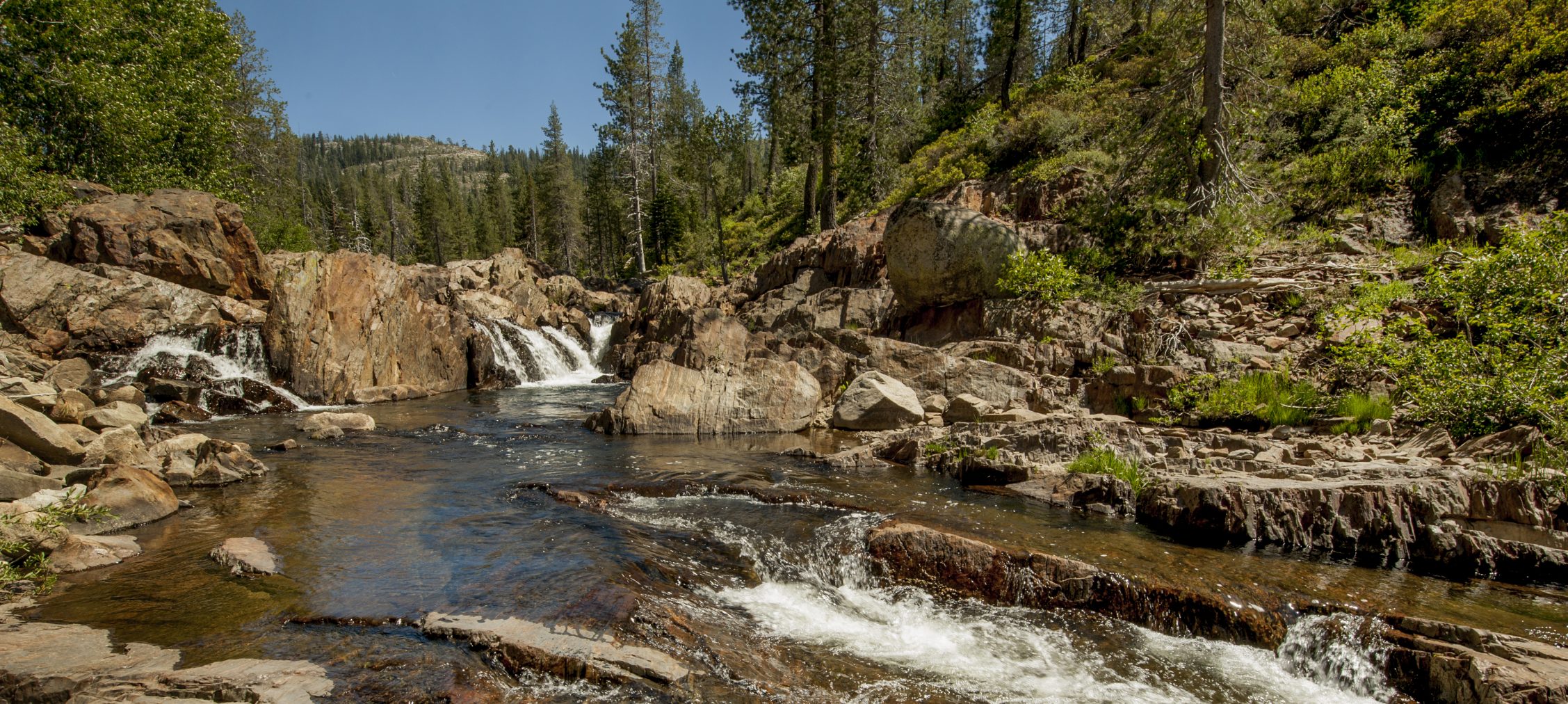
California’s latest drought may be over, but its effects live on. The 2012–16 drought included the driest four-year period since record-keeping began in 1895 and the two warmest years in state history. This combination triggered numerous unhappy milestones in California, especially for the state’s natural environment.
Although urban and agricultural water users incurred significant surface water shortages, in many respects they responded to the drought with great resiliency. The urban economy remained robust, even as residents and businesses responded to calls to save water. Farmers adapted by improving water efficiency, shifting to higher value crops and increasing their use of groundwater.
The environment was not as resilient, and the drought presented a potential calamity for aquatic ecosystems and the fish and wildlife that inhabit them. These ecosystems were strained well before the drought began. In 2010, 82 percent of California’s native fish were either extinct (5%), listed as endangered (24%), or classified by biologists as vulnerable (53%). The recent closure of the commercial salmon fishery off the Northern California coast illustrates the ongoing effects of the drought on fish, despite recent record-setting precipitation.
As ecological stresses increase during drought, aquatic species depend almost entirely on the array of laws and regulations that protect water quality and stream flows. Yet these legal protections can spark considerable controversy when they restrict water for cities and farms.
We worked with a team of students in the Stanford Law School to learn how the laws that are designed to protect California’s aquatic environment functioned during this drought. The project was part of an ongoing study of drought and the environment conducted by the PPIC Water Policy Center.
The team produced four case studies that evaluated several watersheds—the Russian River; the Stanislaus River; the Yuba River; and Deer, Mill, and Antelope Creeks (in one case study). These watersheds presented a mix of challenges involving water rights, regulations, and water management. The students reviewed how various parties—including state and federal regulators, water managers, and communities—fared in providing water to meet vital environmental needs. The goal was to learn how California can improve its environmental water management for future droughts.
These case studies provide remarkable lessons. In each watershed, the parties faced the reality that there was simply not enough water to go around. Yet in some cases, they were able to both provide water for the environment and meet water supply objectives.
Their successes and failures illustrate a number of crucial lessons:
- Planning for drought makes a significant difference in protecting water quality, stream flows, temperature, and aquatic habitat. All of the case studies illustrate this to some extent, but perhaps the best example is the planning on the Yuba River, where an agreement negotiated over many years among competing interests in the basin―farmers, fishers, agencies, tribes, and others―played a critical role in facilitating cooperation during the drought.
- Clear “minimum flow” targets for rivers can foster collaborative deal making. On the Yuba River, for example, the State Water Board mandated minimum flows to protect endangered salmon. Farmers and others concerned about possible restrictions on their water use came up with a collaborative settlement that protected fish but also eased some elements of the mandate.
- Good data on river flows and water usage is vitally important. In particular, lack of specific and reliable data on water use in the Russian River watershed triggered a rush to collect information and hampered decision making.
- Water transfers have considerable potential to enhance stream flows and reduce the economic impact of water shortages during drought. On both the Stanislaus and Yuba Rivers, water transfers to downstream users helped supplement supplies, provide revenue to upstream water users, and augment stream flows.
The case studies illustrate these lessons and numerous others in specific contexts, but their lessons are of broad applicability. We hope each of them will inform planning and decision making that can better prepare the state’s ecosystems for the next drought.
Read the report Managing Water for the Environment During Drought: Lessons from Victoria, Australia (June 2016)
Visit the PPIC Water Policy Center’s ecosystems resource page


 Students attend college for many important reasons beyond economics. But because career opportunities are an important consideration for most, state policymakers and higher education institutions should seek ways to provide students with accurate and meaningful information about labor market outcomes by college and by major. The American Community Survey does not provide information for specific colleges nor for community college certificates, but public colleges in California can link student records with wage records from the Employment Development Department. For example, California’s community colleges have created a “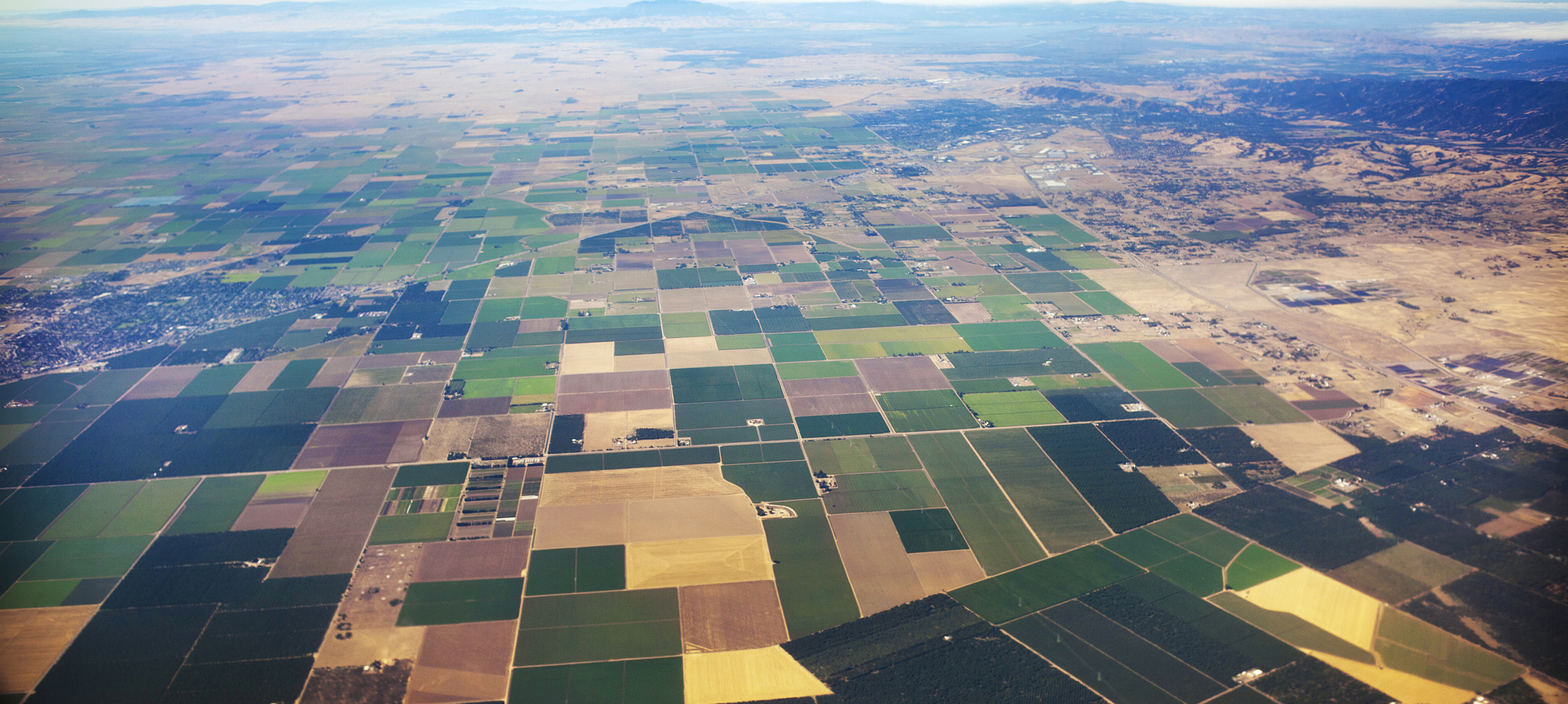
 Water Stress and a Changing San Joaquin Valley looked at the number of irrigated farms in the valley and their corresponding acreage over time. The valley is home to nearly 20,000 such farms, including some of California’s largest, but also numerous small and mid-size ones.