Why Drought Makes Water Rates Rise

For those in the business of selling water, drought often brings financial strains. New research by the PPIC Water Policy Center found that more than 70% of California’s urban water suppliers experienced reduced revenues during the latest drought. We talked to David Mitchell—an economist specializing in water and a co-author of a new PPIC report on urban drought resilience—about the cost of water and drought.

PPIC: Why do customers’ water rates sometimes rise during drought—even after big jumps in water conservation?

David Mitchell: For urban water suppliers, most of their costs are fixed. They have to pay these costs whether they sell a gallon or a million gallons. Their infrastructure costs for treatment plants, reservoirs, canals, and other investments needed to get water to us don’t change with their water sales, at least in the short run. Some costs do drop with reduced water use—for example, energy used for pumping or treatment. But most facility costs don’t, and neither do most staffing costs. The bills for these fixed parts of the system still have to be paid.

There are instances in every drought where communities push back on price hikes. But customer backlash isn’t inevitable. Creating and empowering citizen advisory groups can help build understanding and consensus around water supply issues, for example. This is what the city of Santa Cruz did when it faced a backlash over its plans to invest in desalination for drought security. City leaders turned it into a win by listening carefully to the community. The advisory group met with city staff and outside consultants for more than a year. City staff were deliberative and respectful. Santa Cruz went from having little community support to significant support both in terms of a long-term plan for addressing drought and near-term changes to its rate structure.

PPIC: How does drought affect suppliers financially?

DM: It affects them in lots of ways. With rationing, the supplier will have an immediate revenue problem unless it adjusts rates or has significant financial reserves. They may have to defer capital investments. Droughts also drive up costs in various ways. Drought often degrades water quality, so treatment costs go up. A supplier may need to acquire supplemental water that is more expensive than usual supplies. Suppliers spend more repairing leaks to cut waste.

Drought also brings higher customer costs, through educational programs, rebates, and staffing to address concerns. For example, Metropolitan Water District of Southern California spent half a billion dollars on rebates to replace lawns, toilets, and other fixtures in 2015.

PPIC: What are other reasons that water suppliers need to raise rates?

DM: First of all, urban water rates have been outpacing inflation in most of California for a long time―the drought just put an exclamation point on it. It’s a trifecta of aging infrastructure, increasing regulation, and worsening scarcity. In some parts of California the cost for upgrading old infrastructure is particularly significant. For example, San Francisco is spending billions to renovate its Hetch Hetchy system.

PPIC: How can suppliers reduce the financial risks of drought?

DM: Rates have to adjust. That’s just simple math―if you sell less water but your costs are basically the same, you’re going to have to adjust your rates. Communicating to customers the reason for adjusting rates is key, though. Also, making these adjustments early is better than deferring them to the end of the drought, though this is something that many utilities still fail to do. Our new report recommends that utilities get pre-approvals for special surcharges that they can introduce during droughts—something very few utilities currently do. Cash reserves are also important since they help mitigate the need for large rate increases. Following a drought, utilities are sometimes tempted to change rates so that a larger portion of the bill is a fixed service charge, rather than a per gallon fee. Although this keeps revenues from falling as much when water sales decrease, it also weakens the price signal to encourage efficient water use—an important goal both during droughts and over the longer term.

 
Learn more

Read the report Building Drought Resilience in California’s Cities and Suburbs (June 2017)
Read California’s Water: Water for Cities (from the California’s Water briefing kit, October 2016)
Visit the PPIC Water Policy Center’s drought resource page

Commentary: Strategy for California’s Next Drought

This commentary was published in the Sacramento Bee on June 8, 2017.

The recent drought brought record high temperatures and record low precipitation, pushed numerous native fish species to the brink of extinction and led to unusually large drops in groundwater levels. But the biggest milestone for urban areas was the state’s unprecedented order to cut water use by an average of 25 percent. This mandate was a blunt instrument. It didn’t reflect how well prepared most urban suppliers were, or their willingness to further reduce water use when needed.

Read the full commentary on sacbee.com.

How Unhealthy Forests Affect Water Supply

California’s mountain forests have been badly stressed by years of drought and fire suppression practices that encourage overly dense stands of trees. We talked to Scott Stephens―a forestry and wildfire expert at UC Berkeley and a member of the PPIC Water Policy Center research network―about how unhealthy forests affect the watershed.

PPIC: What is the status of the state’s forests?

Scott Stephens: California now has more than 100 million dead trees, mostly in the central and southern Sierra. This has implications for water supply, wildfire management, local economies, and many other issues. The die-off is a symptom of unsustainable forest conditions. Drought is part of the California landscape, but why are we seeing such profound mortality? The drought caused more trees to compete for less water and increased infestations of bark beetles, which kill trees. Droughts are getting warmer, which stresses the trees more. But the underlying cause is unsustainably dense forests. Forest management in the past century increased forest density by removing the most common ecosystem process that once thinned the forest: fire. We need to reduce tree density in Sierra forests so they are more resilient to drought.

Fires start more easily in recently killed forests because embers have more dead foliage to land on. Fighting fires is much harder because there’s an increased risk that standing dead trees will fall and kill people. And since most of these dead trees will never be removed, in 10 to 15 years they’ll be on the ground. This will increase the fuel load substantially and make for hotter fires.

PPIC: What are the consequences to our water supply from dying or burning forests?

SS: It’s useful to compare the effects of a large uncontrolled wildfire—such as the 2013 Rim Fire in San Francisco’s Hetch Hetchy watershed—with what is going on in a part of Yosemite that has had regular fires over the past 40 years. In the Rim Fire zone, trees were killed over a vast area, and sediment and fire debris has moved into streams and reservoirs. By comparison, there’s an area in Yosemite called Illiloutte Creek basin, where small natural fires have been allowed to burn—unlike in most forests, where all fires are extinguished as quickly as possible. We’ve seen a jigsaw puzzle of fire-changed landscapes develop in Illiloutte basin over this time and a change in forest density. For example, an area that was once a solid pine forest is now a wetland after fire cleared about 10 acres of trees. Now we’re doing research to see if water in that basin is increasing. One thing is certain: fewer trees use less water. Also, in denser forests some snow stays in the canopy and is more likely to go back into the atmosphere rather than seep into the ground.

PPIC: Given the scope of the problem, what are our management options?

SS: There are three potential options that would improve on current practices. The first is to manage lightning fires in some areas—such as the remote upper watersheds―so we can naturally reduce forest density. This option can be scaled up relatively fast. We’d need to monitor these fires carefully and allow them to work―just as they’ve done in Yosemite for the past 40 years. Three national forests have proposed allowing managed lightning fires on about two-thirds of their land―Inyo, Sierra, and Sequoia. A second option is to do more prescribed burns. These will be smaller in scale than lightning fires. Lastly, we can use ecologically based mechanical thinning of forests, which can be combined with prescribed burns.

These fixes will be expensive in some areas. But fire suppression currently costs us about $2.5 billion a year just on federal lands—and these methods can help bring down that cost. Shifting the federal firefighting budget so more money goes for forest management could help.

Learn more

Read California’s Water: Protecting Headwaters (from California’s Water briefing kit, October 2016)
Watch our 3-minute video “Headwaters”
Read “Managing Wildfires Requires New Strategies” (PPIC Blog, September 23, 2015)
Visit the PPIC Water Policy Center’s drought resource page
California Farmers Face Labor Drought

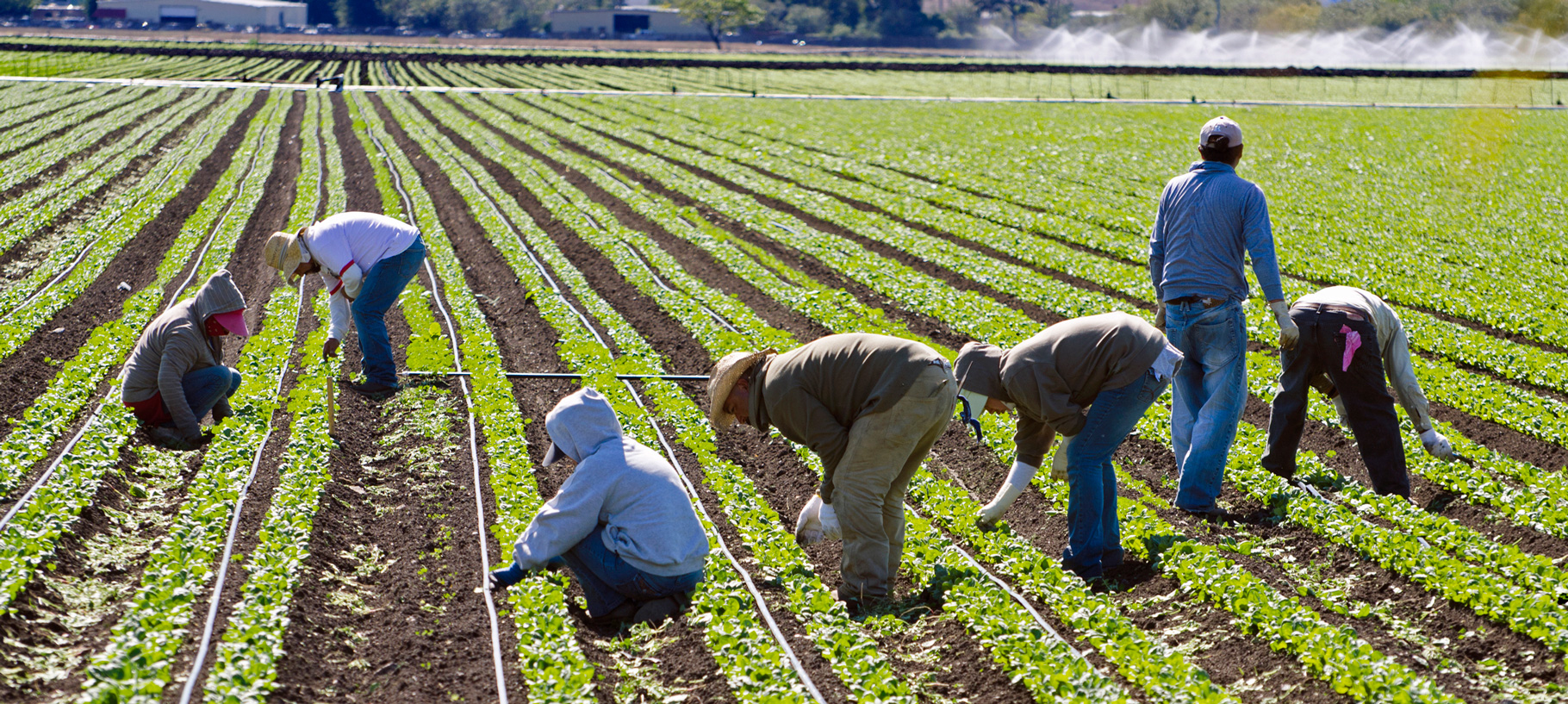
This year’s rains brought a welcome respite to California’s farmers, who had grappled with surface water supply shortages for the previous four years. But now farmers are increasingly worried about the availability of another crucial element to their farms’ productivity―farm labor. The connection between farm labor and immigration patterns was among the topics covered in a recent conference at UC Davis.

California is the nation’s largest farm state and a world market leader. This impressive productivity relies largely on an immigrant farm labor force. According to a federal survey, 9 of 10 crop farm workers in California are foreign born, largely from Mexico. More than half of crop farmworkers (56%) are undocumented immigrants.

Contrary to popular belief, immigration from Mexico to California has declined over time. In the early 2000s, close to a third of the crop farm workers were “newcomers”―foreign-born workers whose first arrival to the United States occurred within the year of the survey. The share of newcomers has fallen drastically in the last several years, and was down to 1% in 2013–14.

These immigration trends bring up short- and long-term concerns about the farm labor supply. In the long run, farm employers will have to figure out how to deal with declining immigration. The more immediate worries surround undocumented workers currently in California and the potential effects of the Trump administration’s stepped-up enforcement of immigration laws.

According to UC Davis’ Philip Martin, farmers have been employing a “4-S” strategy―satisfy, stretch, substitute, and supplement―to deal with fewer newcomers in the farm labor force. Satisfying current workers includes providing bonuses, low-cost health care, and training farm labor supervisors to improve working conditions. Stretching current workers includes providing mechanical aids to make farmworkers more productive, while substituting means replacing workers with machines where possible―or switching to less labor-intensive crops (almonds, for instance). Finally, some growers have been supplementing their workforce by using the temporary guest worker visa program. Which combination of these four strategies is likely to prevail will depend on the effects of another upcoming change―an increase in the statewide minimum wage, which will incrementally rise from $10.50 to $15 an hour by 2022.

Experts at the conference agreed it is likely that the new federal administration will build on the Obama era efforts, when a record two million foreigners were deported over eight years. A panelist at the conference argued that mass deportations are highly unlikely, mainly due to capacity constraints in the federal agencies responsible for deportations. However, the effects of increased enforcement mechanisms (such as requiring all employers to check the legal status of new hires through the online E-verify system) and other factors might shrink California’s farm labor force supply 6–9% in the short term. These effects will not be due to undocumented immigrants leaving the US (“self-deporting”) but due to their “hunkering-down”―perhaps working less hours than usual or moving from farm to farm for seasonal work less than before, in an effort to reduce their chances of deportation.

Senator Dianne Feinstein has introduced a bill that aims to shield undocumented farmworkers from deportation by putting them on a pathway to legalization. The Agricultural Worker Program Act would also provide a path to legal permanent residency to some undocumented farmworkers in the US. But immigration reform is not an easy lift, and the bill’s fate is uncertain. In the meantime, farmers will have to hope the 4-S plan can keep the crops moving from farm to table.

Learn morERead “Undocumented Immigrants in California” (PPIC fact sheet, March 2017)
Read the report Water Stress and a Changing San Joaquin Valley (March 2017)
Read California’s Water: Water for Farms (from the California’s Water briefing kit, October 2016)

The Myth of Water Wasted to the Sea

A common lament is that water is wasted when it flows out to the sea rather than put to use irrigating crops or supplying water to cities. But when rivers flow to the sea the water brings benefits to people and ecosystems that are rarely acknowledged. We asked Jim Cloern―a scientist with the US Geological Survey and a member of the PPIC Water Policy Center research network—to explain.

photo of jim cloern

PPIC: What are some benefits that river’s provide when they make it to the sea?

Jim Cloern: Runoff from rivers brings many benefits to coastal communities, the Delta, and wetlands. For example, if you live in or around the Delta, river flows repel saltwater moving upstream. If the flow is too low, water in the Delta becomes too salty for growing crops or drinking.

Rivers also carry sediment, which is really important to the San Francisco Bay ecosystem, especially for sustaining tidal flats and marshes. We’ve invested hundreds of millions of dollars to convert salt ponds back to wetlands. Collectively, the restoration of wetlands in the Bay Delta is the largest such effort west of Rockies. We’ve breeched levees and seen these areas become colonized by wetland plants and transformed into habitats for birds and fish. The soils that form the base for these habitats have a natural inclination to sink and need continuous replenishment. Rivers also carry sand beyond the bay to the ocean, which is essential to keep California’s beaches intact. Without river sediment our beaches would disappear from natural erosion.

A third benefit is to the Bay-Delta. San Francisco Bay is an estuary that sustains plant and animal communities not found in other ecosystems. These communities are an important part of California’s remarkable biodiversity. We’ve learned from other estuaries around the world that these communities can disappear if river inflow falls below levels required to sustain them.

River flows also flush pollutants out of the bay. San Francisco Bay has been called an urbanized estuary. Sewage effluents, industries, and urban runoff carry nutrients, toxic pollutants, pharmaceuticals, and micro-plastics into the bay. Large river flows like we’ve seen this year dilute and carry those contaminants out of the bay.

PPIC: What might happen if more water is diverted from flowing to the sea?

JC: The essential question for managing the Delta is, what is an appropriate amount to divert? It’s question #1 for the State Water Board. If we divert more, particularly during dry periods, we run the risk of increasing salinity of the Delta and the bay. The bay could become saltier than the ocean—this happened in the 1976–77 drought. A hypersaline bay would affect what kinds of organisms could live in it, including microorganisms―the largest component of life in the bay. We don’t know a lot about them, but we do know that some microorganisms provide really valuable services to us. For example, bacteria in bay sediments convert nitrogen from agricultural runoff and sewage into nitrogen gas, removing an important pollutant out of the water. This process is used in some sewage treatment plants. We don’t know how increased salinity would affect these “pollutant scrubbers.”

We also have to think in terms of how higher temperatures in a warming world would interact with lower flows. This combination, coupled with nutrient pollution, could be a perfect storm for generating harmful algal blooms. We also need to consider the potential loss of new wetlands we have invested so much to restore―they might not be sustainable if river sediment flows are reduced at a time when seas are rising. And how might the function of the bay as nursery habitat for species such as Dungeness crab and English sole change? What would be the effect on the livelihoods of those who fish these species? These are big issues to consider. They also remind us that there are many downstream benefits of fresh water flowing from the Delta into San Francisco Bay.

Water Law Aided Ecosystems in Drought

California’s latest drought may be over, but its effects live on. The 2012–16 drought included the driest four-year period since record-keeping began in 1895 and the two warmest years in state history. This combination triggered numerous unhappy milestones in California, especially for the state’s natural environment.

Although urban and agricultural water users incurred significant surface water shortages, in many respects they responded to the drought with great resiliency. The urban economy remained robust, even as residents and businesses responded to calls to save water. Farmers adapted by improving water efficiency, shifting to higher value crops and increasing their use of groundwater.

The environment was not as resilient, and the drought presented a potential calamity for aquatic ecosystems and the fish and wildlife that inhabit them. These ecosystems were strained well before the drought began. In 2010, 82 percent of California’s native fish were either extinct (5%), listed as endangered (24%), or classified by biologists as vulnerable (53%). The recent closure of the commercial salmon fishery off the Northern California coast illustrates the ongoing effects of the drought on fish, despite recent record-setting precipitation.

As ecological stresses increase during drought, aquatic species depend almost entirely on the array of laws and regulations that protect water quality and stream flows. Yet these legal protections can spark considerable controversy when they restrict water for cities and farms.

We worked with a team of students in the Stanford Law School to learn how the laws that are designed to protect California’s aquatic environment functioned during this drought. The project was part of an ongoing study of drought and the environment conducted by the PPIC Water Policy Center.

The team produced four case studies that evaluated several watersheds—the Russian River; the Stanislaus River; the Yuba River; and Deer, Mill, and Antelope Creeks (in one case study). These watersheds presented a mix of challenges involving water rights, regulations, and water management. The students reviewed how various parties—including state and federal regulators, water managers, and communities—fared in providing water to meet vital environmental needs. The goal was to learn how California can improve its environmental water management for future droughts.

These case studies provide remarkable lessons. In each watershed, the parties faced the reality that there was simply not enough water to go around. Yet in some cases, they were able to both provide water for the environment and meet water supply objectives.

Their successes and failures illustrate a number of crucial lessons:

  • Planning for drought makes a significant difference in protecting water quality, stream flows, temperature, and aquatic habitat. All of the case studies illustrate this to some extent, but perhaps the best example is the planning on the Yuba River, where an agreement negotiated over many years among competing interests in the basin―farmers, fishers, agencies, tribes, and others―played a critical role in facilitating cooperation during the drought.
  • Clear “minimum flow” targets for rivers can foster collaborative deal making. On the Yuba River, for example, the State Water Board mandated minimum flows to protect endangered salmon. Farmers and others concerned about possible restrictions on their water use came up with a collaborative settlement that protected fish but also eased some elements of the mandate.
  • Good data on river flows and water usage is vitally important. In particular, lack of specific and reliable data on water use in the Russian River watershed triggered a rush to collect information and hampered decision making.
  • Water transfers have considerable potential to enhance stream flows and reduce the economic impact of water shortages during drought. On both the Stanislaus and Yuba Rivers, water transfers to downstream users helped supplement supplies, provide revenue to upstream water users, and augment stream flows.

The case studies illustrate these lessons and numerous others in specific contexts, but their lessons are of broad applicability. We hope each of them will inform planning and decision making that can better prepare the state’s ecosystems for the next drought.

Bringing Big, Small Farms Together to Manage Water

Agriculture is by far the biggest water user in the San Joaquin Valley, accounting for 89 percent of the region’s annual net water use. As such, the farm sector will have to play a crucial role in tackling the valley’s various water challenges―from sustainably managing groundwater resources to addressing a number of water-related environmental and public health concerns. Valley farms vary greatly in size, and broad regional solutions to the valley’s resource management challenges must take this into account.

Water Stress and a Changing San Joaquin Valley looked at the number of irrigated farms in the valley and their corresponding acreage over time. The valley is home to nearly 20,000 such farms, including some of California’s largest, but also numerous small and mid-size ones.
Today, the largest farms―those bigger than 1,000 acres―account for 60 percent of the valley’s total irrigated acreage. However, farms with less than 500 acres of irrigated cropland account for a quarter of total irrigated acreage. There is a geographical pattern to farm-size diversity as well. Relatively small farms and ranches still predominate in the eastern part of the valley, while large operations managing thousands of acres occupy much of the southern and western farmland.

Many of these large farms are already experimenting with water management practices that might help their operations adjust to water stress. Such efforts require significant investments of time and money—a challenge for most small farmers. And contrary to popular belief, the valley is still home to many small farms.

For instance, the smallest farms―those irrigating less than 10 acres―doubled in number from 1969 to 2012. This increase is partly due to the way the Census of Agriculture identifies farms as “any place from which $1,000 or more of agricultural products were produced and sold, or normally would have been sold” during the census year. USDA interprets “normally would have been sold” broadly – which allows some large residential properties to be counted as farms.

But the census trends also reflect an influx of small immigrant farmers to the region. The first big increase in the number of small farms occurred between 1969 and 1982. This timing is consistent with the arrival of Southeast Asian refugee farmers (mainly Hmong and Mien) who escaped their war-torn countries and started farming in the valley. Many of these farms grow more than 100 varieties of Asian specialty produce on farms that are just 2–15 acres in size, and serve urban markets across state, from Stockton, to the Bay Area and Los Angeles. The revenue from farming is an important source of income for these immigrant communities. Although the smallest farms account for just 0.3 percent of the valley’s acreage, the contribution of Hmong and Mien farmers to California’s crop diversity is oversized.

The diversity of the San Joaquin Valley agricultural sector has policy implications. In addition to time and cost constraints, many small immigrant farmers have had difficulties navigating the complex regulatory landscape in California, sometimes due to language or cultural barriers. Creating lasting, equitable solutions to growing water stress and other problems will require coordination and cooperation between various actors in the valley—and broad participation from water users. An important step to getting there is recognizing and loosening the barriers that could hinder broad participation.

Learn morERead the report Water Stress and a Changing San Joaquin Valley (March 2017)
Visit the PPIC Water Policy Center

Better Information Can Help the Environment

We know that California’s aquatic species are at risk from a host of stressors and that drought pushes them closer to the brink. Yet there are significant gaps in our understanding of key factors affecting ecosystem health that make it difficult to effectively manage water for the natural environment. Good practices from other dry places offer lessons for protecting our struggling species and improving conditions in troubled ecosystems.

Water accounting―tracking how much is there, who has claims to it, and what is actually being “spent”―can provide a clearer picture of how and when to allocate water for the environment. Other states have improved their water information systems and reduced environmental problems.

For example, the Colorado Water Conservation Board has a network of high-tech stream gages to monitor freshwater ecosystems. These gages send text or email alerts to state environmental water managers within minutes of approaching low-flow conditions. Staff can respond quickly by requesting an evaluation of priority water needs among local water users and, where possible, shifting water to meet environmental needs.

By comparison, California lacks stream gages on half of the rivers and streams that support critical habitats. This makes active management of environmental water during droughts very difficult, if not impossible, in many parts of the state.

Better accounting can also help us prepare for drought, rather than just respond to it. Making better use of water during average and wet years can stabilize or enhance at-risk ecosystems. This increases their resilience to drought.

For example, drought-prone Victoria, Australia, uses sophisticated water accounting tools to coordinate environmental flows for all types of water years. Victoria also collects and organizes information on a number of critical ecological indicators for thousands of miles of streams and wetlands. This inventory informs Victoria’s short- and long-term decision making about where and when water will be most beneficial to ecosystems and thus helps build drought resilience.

California has a significant body of research on freshwater ecological indicators, but the information isn’t organized in ways that make it readily useful to environmental water managers.

Managing water for the environment is more than a technical challenge. It’s a social process that relies on complex decisions made by water users, regulators, and other stakeholders. Examples from other arid regions suggest that this social process is improved by having access to accurate and timely information. Strengthening water accounting in California is key to improving our ability to manage water for the environment and building the social license necessary to act. Before the next drought pushes more freshwater species to the brink, we would be wise to follow the lead of other semi-arid regions and invest in accounting systems that improve our understanding and management of our rivers and streams.

Learn more

Read the report Accounting for California’s Water (July 2016)
Read “Three Lessons on Water Accounting for California” (PPIC Blog, August 8, 2016)
Visit the PPIC Water Policy Center

Commentary: What Did We Learn from the Drought?


This commentary was published in the Sacramento Bee on April 13, 2017.

Governor Jerry Brown has declared the drought over. What did we learn over five years of drought that that could help us better manage the next one? The drought brought some hard lessons and gave us a glimpse into a challenging future. Record warm temperatures—comparable to those predicted by many climate scientists for later this century—made drought management harder. Improving drought resilience in this increasingly challenging climate will require a number of policy improvements. These six policy changes could help.

Read the full commentary on sacbee.com.

Wetlands at Risk from Federal Rule Change

The federal government’s Clean Water Act includes dozens of regulations to reduce water pollution. But it doesn’t include a clear definition of what types of water systems it covers. The Trump administration recently ordered federal agencies to begin the formal process to repeal an Obama-era rule—called the Waters of the United States rule. We asked Richard Frank, an expert in California environmental law and a member of the PPIC Water Policy Center research network, what President Trump’s executive order could mean for wetlands in California and beyond.

PPIC: What was the purpose of the Waters of the United States rule?

Richard Frank: It was intended to fix ambiguity in the Clean Water Act relating to federal jurisdiction over wetlands and water pollution control. In recent years it was left up to the courts to figure out if a specific waterway was covered. There’s wide agreement that this kind of case-by-case litigation is an uneconomic and inefficient way to address the problem—going all the way to the US Supreme Court.

PPIC: What aspects of the rule are controversial?

RF: From the time the Clean Water Act was enacted in 1972, the issue of what is a wetland has been far and away its most controversial aspect. For many years the agricultural community, developers, and business interests have complained that the Environmental Protection Agency (EPA) and the US Army Corps of Engineers, which jointly administer the wetlands provisions of the Clean Water Act, have been excessive in their assertion of jurisdiction over wetlands. It’s a Goldilocks situation: farmers and developers thought the agencies were too bold. Environmental interests complained they weren’t robust enough in interpreting what a wetlands is. The statute doesn’t provide a lot of help—it’s based on a terribly imprecise definition.

PPIC: What will happen next?

RF: The president directed EPA and the Corps to withdraw the Waters of the United States rule, which had not yet gone into effect. The tougher question is will it be repealed or replaced, presumably by a narrower definition of wetlands? In the meantime, there will be no regulatory guidance at all for at least a year or two. From a public policy perspective this is the worst possible outcome—we’re left with an ad hoc process that is time consuming, expensive, and unpredictable in its outcome.

PPIC: How does this affect California?

RF: The rule would have provided greater protection for California wetlands. Some might argue that the cow’s already out of barn, since the state has already lost 90% of its historic wetlands and 95% of its coastal wetlands. For the next couple of years, at least, that additional protection for our remaining wetlands is removed, unless the state steps up in some way.

In the meantime, I’m confident that the wetlands protection provisions of the federal Clean Water Act will remain the most controversial and heavily litigated provision of this bedrock environmental law for the foreseeable future.

The good news is that the state already has broader authority than do federal regulators. California actually has the power to regulate wetlands more broadly than the federal government. But despite having a strong clean water law of its own, California currently lacks a comprehensive state system of wetlands regulations that could fill the current regulatory gap left by the president’s repeal of this rule. I hope and expect that the State and Regional Water Boards will fill this regulatory vacuum in the near future.

The Clean Water Act’s wetlands protection program has had another important effect over the past 45 years: it has raised public awareness about the many positive societal values wetlands have, from providing increased flood protection and cleaner water to providing essential wildlife habitat.

Learn more

Read “A State of Water Independence” (PPIC Blog, January 4, 2017)
Visit the PPIC Water Policy Center’s ecosystems resource page