California 2020: Census and Elections Are Important to Californians

The 2020 Census is fast approaching. With political representation and billions in federal funds on the line, the importance of an accurate count cannot be overstated. Californians recognize this, according to our latest survey—but many have concerns about the confidentiality of the information they provide. Even more Californians say that the 2020 elections are important. Both are critical to the future of the state.

California has invested substantially in raising awareness and preparing local communities for what will be a monumental census effort. Governor Gavin Newsom has proposed adding another $54 million toward state census activities, on top of a previous allocation that was just north of $100 million. These funds—along with a sustained effort at building partnerships around the state—are meant to counter California’s particular vulnerabilities when it comes to ensuring an accurate census: large shares of immigrants and other hard-to-count populations.

With so much at stake, participation in the census is critical. Are Californians aware of the importance of being counted? Currently, three-quarters of all adults (75%) say it is very important to participate in the 2020 Census. Overwhelming majorities agree across regions, political parties, and all demographic groups—from age, income, and education level to racial/ethnic and citizenship status groups. Naturalized citizens are the most likely to say that participation in the census is very important (80%).

Later this month, the US Supreme Court is expected to rule on the legality of adding a question about citizenship status to the 2020 Census, as the Trump administration has proposed. This question has not been asked on the decennial census since 1950, and opponents argue that it would depress the count among immigrants who might be fearful about revealing their status.

A solid majority of Californians (63%) are concerned that the Census Bureau will not keep 2020 Census answers confidential. This concern is highest among Latinos (74%) and African Americans (70%), followed by Asian Americans (64%) and whites (52%). US-born Californians (58%) are less likely than foreign-born residents (71%) to say that confidentiality is a concern.
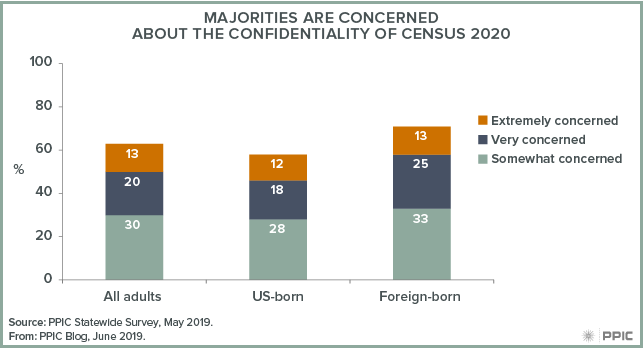
figure - Majorities Are Concerned about the Confidentiality of Census 2020

The upcoming census will coincide with another pivotal event—the 2020 presidential election. Election outcomes will have additional lasting effects this cycle, as state legislators (or redistricting commissions) will use the new 2020 Census data to redraw district lines that will last a decade. Today, nearly all Californians recognize the importance of voting next year.

While three in four say it is very important to participate in the census, even more—nine in ten—say that it is very important to vote in the 2020 elections. More than nine in ten across political parties hold this view, as do more than eight in ten across regions and demographic groups.
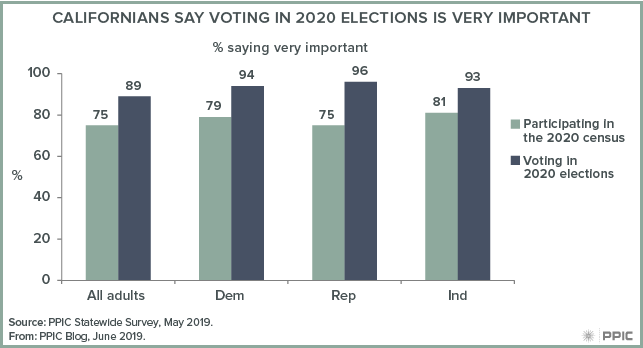
figure - Californians Say Voting in 2020 Elections Is Very Important

With a presidential primary in California next March and the census in April, Californians are heading toward a consequential season—for the state and the nation. Efforts to boost participation in both of these essential civic events will be critical to ensuring that all Californians are heard—and counted.
The Citizen’s Redistricting Commission: Open for Business

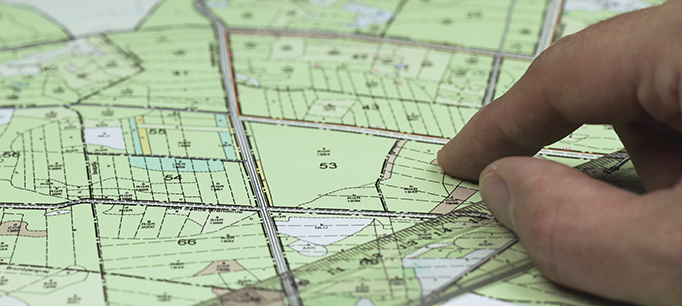
Today marks the first day of the open application period for California’s next Citizens Redistricting Commission (CRC).  The CRC is the state institution vested with the authority to redraw district lines for the state legislature, board of equalization, and Congress. This process occurs after every decennial census to reflect population shifts. The commission’s 14 members will use the new 2020 census data, along with testimony from the public, to draw new districts by August 2021.

If this sounds like the operation of a typical government agency, it is anything but. The CRC is a bold departure from the status quo that was first used in the last redistricting process, in 2011. Most observers felt it worked well the first time around. Today, the state embarks on a second attempt that hinges on a key question: can it work again?

In the past, authority to draw district lines resided with the state legislature. Legislators are of course chosen by the general public in normal elections, where many different issues are always at stake. They are politically connected by definition. When legislators were responsible for drawing the lines, they were not required to (nor did they) hold many public hearings about the redistricting process. Their decisions were subject to few constraints and did not need to be justified or even explained.

The CRC now follows a very different process. The commissioners are chosen through a public application process run by the nonpartisan state auditor. The potential applicant pool is incredibly broad: any registered voter who has been continuously registered with the same political party for five years and has voted in two of the last three statewide elections can apply. (There are a few conflict of interest provisions but they don’t apply to many people.) All the commission’s proceedings must be conducted in public. The lines it draws are subject to a long list of constraints, and the commission is required to produce a report explaining and justifying its decisions.

These rules and constraints may sound good on paper, but the success of the CRC ultimately rests on the quality of the people who serve on it. That requires a deep applicant pool, and the state was fortunate to get one the first time around. The auditor initially received almost 25,000 qualified applications, of which almost 5,000 were willing to fill out a far more detailed follow-up application.

Numbers this large might seem like overkill for a 14-member commission. But a surplus was helpful because the first applicants were not representative of the state as a whole. One of every two initial applicants was a non-Hispanic white male, well out of proportion with their share of the state’s population. Northern California was also overrepresented relative to Southern California, with Sacramento itself producing double the applicants that would be expected from chance alone.

However, with such a large pool to work with, the auditor was able to select a group of final candidates who looked much more like the state as a whole. The final commission was well balanced ethnically, geographically, and politically. Even more than that, the commissioners had a mix of experience and professional backgrounds. The members included a principal, a chiropractor, and a bookstore owner; they also included two civil rights attorneys, several people with experience in city planning, and a former director of the US Census.

The CRC helped to launch a redistricting reform movement that is now sweeping the country.  Four states recently adopted commissions, and the first bill out of the US House this year included a commission reform modeled on the California experience. Many eyes are watching to see if the CRC can work a second time.

Needless to say, success the first time does not guarantee success again. The auditor will need a lot of applicants to create a diverse commission fully representative of the state. Anyone who supports the CRC’s mission and meets the basic requirements should consider throwing their hat into the ring.

The open application period closes on August 19.

2020 Census: Counting California’s Homeless Population

This post is part of a series examining challenges involved in the 2020 Census and what’s at stake for California. 

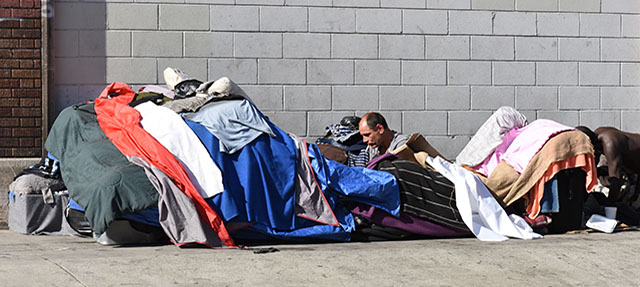
Accurately counting the homeless population is notoriously difficult. People experiencing homelessness can be hard to find—they tend to move around a lot, and at any given time, they might be in a shelter, in a car, outdoors, or couch surfing with family and friends. They may also conceal their living arrangements for privacy reasons or to avoid law enforcement.

The issue is particularly urgent for California as the 2020 Census approaches. California has the most homeless individuals of any state, with 130,000 people living in shelters or outdoors, according to estimates from January 2018. Since this count doesn’t include people staying temporarily with family or friends, it’s almost certainly an underestimate.

Undercounting homeless Californians could affect political representation and lead to reduced federal funding for low-income and homeless families, especially in urban areas with large homeless populations. In addition to determining congressional seats, the census is used to allocate billions of federal dollars for health care, education, and housing programs, including Section 8 housing vouchers for low-income families.

The goal of the census is to count all residents “in the right place,” meaning where they usually live and sleep. People who are couch surfing without a permanent place to live should be included in the household where they’re staying on Census Day (April 1, 2020).

What about people staying in shelters, living outdoors, and residing in other temporary locations? The census bureau has two approaches:

  • Census workers will interview and record responses from people experiencing homelessness at service-based locations or outdoors. These sites include emergency and transitional shelters, soup kitchens, mobile food vans, and targeted outdoor locations (e.g., under bridges, in parking lots, in encampments). This effort will take place from March 30 to April 1, 2020. Census workers in 2010 counted nearly 28,000 Californians in homeless shelters and about 64,000 Californians at other service-based locations and outdoors.
  • Census workers will go to “transitory” locations to collect responses from people who don’t have a usual home elsewhere. These locations include RV parks, motels, campgrounds, racetracks, circuses, carnivals, and marinas. This effort will take place from April 9 to May 4, 2020. Census workers in 2010 collected data from nearly 24,000 transitory locations in California.

The Census Bureau works with local partners to identify service-based and outdoor locations. Input on the latter is particularly important, as California has high shares of homeless individuals who are not living in shelters. The bureau’s new construction program allows governments to submit addresses for new shelters and transitory locations that are expected to be completed by April 1, 2020.

Getting input from local officials and on-the-ground organizations will be critical. They likely have the most up-to-date information about service-based and outdoor locations in their communities, as well as on those who have been displaced due to fire or other disasters. Individuals with experience working directly with the homeless population may also consider applying to be census workers—speaking with a trusted person from the community can help encourage participation among those who might otherwise distrust government officials.

Together, these efforts could go a long way toward motivating homeless individuals to participate in the census, while also ensuring that census workers have accurate information about where to count these Californians.

California’s Digital Divide and the 2020 Census

The 2020 Census will be the first decennial census with a fully online component. Rather than mailing forms to every household, the US Census Bureau will instead send out postcards asking households to take the census online, hoping to achieve a 55% online response rate. Then, as in years past, census workers will visit those who did not respond and conduct in-person interviews.

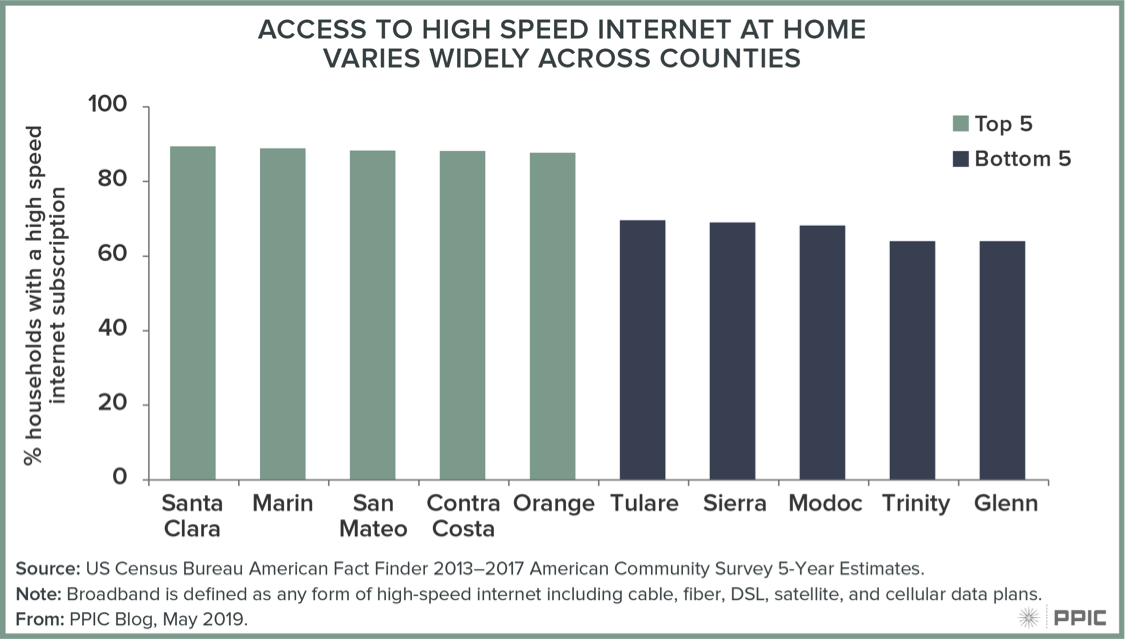
California’s size and diversity present unique challenges to this effort. One significant challenge lies in how many households report having reliable high speed internet—essential to completing the census online.

The contrasts across counties are stark. For example, according to the most recent estimates, more than 89% of households in Santa Clara County report having high speed access at home. In contrast, in Trinity, Glenn, Modoc, Sierra, Tulare, and Imperial Counties, more than 30% of households say they do not.

What’s more, these estimates actually understate the disparity. In the counties of Colusa, Sierra, Yuba, Tulare, and Plumas more than 15% of households report having high speed internet only through their cell phone data plans and no other source, and in 11 other counties at least 10% of households report the same.

Figure - Access to High Speed Internet at Home Varies Widely Across Counties

Of further concern is that these counties are the very ones that have been identified as being hard to count. In addition to sparse internet access, communities may be hard to count because they contain higher rates of historically undercounted groups, such as noncitizens and African Americans, or because large shares of their residents rent rather than own their households.

These challenges are real, but California is working hard to overcome them. State agencies were allocated over $100 million in 2018-19—with another $54 million proposed—so they may partner with the Census Bureau to help identify hard to count communities, encourage participation, and better ensure an accurate count of all Californians.

2020 Census: Will All of California’s Children Be Counted?

This post is part of a series examining challenges involved in the 2020 Census and what’s at stake for California. Click here to see our full coverage.

As the country gears up for the 2020 Census, one big challenge will be ensuring a complete and accurate count of young children. Nationwide, the 2010 Census missed nearly a million children under five years old, including about 210,000 young Californians, according to Census Bureau estimates.

This undercount—which has worsened in the past few decades—has consequences for political representation at the federal, state, and local levels. An inaccurate census could also affect federal funding for educational and health programs. For example, the distribution of Head Start funds depends in part on census counts to determine the number of young children living in poverty.

Young children were undercounted by 4.6% in 2010, the worst undercount across all age groups. In contrast, people in their late teens and early twenties, as well as those over age 50, were overcounted—meaning people in these age groups were often erroneously included in multiple households.

figure - Young Children Were the Age Group Least Likely To Be Counted Accurately in the 2010 Census

The count of young children in California was even less accurate: 7.7% of Californians ages 0–4 were undercounted in the 2010 Census, the third-highest rate in the nation. In follow-up research, the Census Bureau has found that households in Monterey County, much of the Central Valley, Los Angeles County, the Inland Empire, and Imperial County were especially likely to indicate confusion over whether to include young children when completing their census questionnaires.

Multiple reasons account for why young children are often missed in the census. Families may forget to include newborns or children who split their time between two homes. Young children in low-income families and those with young or single parents are especially at risk of being undercounted.

Young children are also more likely than other age groups to live in households with multiple generations, unmarried partners, nonrelatives, or extended family—which can lead to confusion over who should be included in the census form. African American, Latino, and Native American children are much more likely than white children to live in households with these kinds of “complex” living arrangements, which have probably become more common in California because of the housing crisis.

figure - Young Children Are Much More Likely To Be in Families with “Complex” Living Arrangements

In preparation for the 2020 Census, the Census Bureau has taken several steps to improve its count of young children. These include adjusting the wording on the census form to clarify that everyone living in the household should be included, as well as undertaking advertising and education campaigns about the importance of counting all children.

California has committed $100 million for census outreach, and the governor has proposed an additional $54 million for the next fiscal year. The California Complete Count Committee, which is spearheading the state’s efforts, has allocated these funds to the state’s hard-to-count communities, with options for many other organizations to receive funding. Given what we know about the historical difficulties of counting young children, it will be particularly important for community organizations and agencies working with young children and families to be involved with outreach efforts.

Video: Preparing California for Census 2020

Is California ready for the 2020 Census? PPIC convened a group of experts last week for a progress report on preparations for the decennial population count, which begins next April 1. PPIC president Mark Baldassare started off by asking California secretary of state Alex Padilla to outline what is at stake.

Padilla offered a “quick civics lesson,” explaining that the census helps determine the amount of federal funding that goes to each state, as well as each state’s overall number of congressional seats and its configuration of legislative districts. If there’s an undercount in California, the state could lose billions of dollars over the next decade.

Are we ready? “Not yet,” Padilla answered. But he added that California is “a little ahead of the curve,” with the highest level of state investment in outreach and preparation in the nation. In addition to longstanding challenges—for example, California has 30% of the recognized “hard to count” communities nationwide—the state faces some new issues, such as inadequate federal funding, cybersecurity issues, a rule that bars legal permanent residents from working as canvassers, and the possible inclusion of a question about citizenship.

How is the state preparing? Marc Berman, a state assemblymember and chair of the Assembly Select Committee on the Census, outlined three major areas of focus: adequate funding, coordination of efforts, and collaboration by state and local government as well as community-based, philanthropic, and business organizations. “We are better prepared than we ever have been before,” he added.

Ditas Katague, director of California Complete Count, offered a wealth of detail on the progress her office has made—opening five field offices, dividing the state into ten regions based on hard-to-count populations, and working with community groups and media in these regions.

Non-governmental groups are playing a key role. Melina Sanchez, the program officer for civic participation initiatives at the James Irvine Foundation, outlined the two overarching goals of a recently convened statewide philanthropic roundtable: to help California reach its hardest-to-count populations and to use the census as a movement-building opportunity for historically underrepresented groups. For Sanchez, it is important to “flip the narrative” so that it’s not about people’s fear of participating in the census but is instead a story about “folks feeling the empowerment of standing up despite all the barriers.”

Sarah Bohn, PPIC’s director of research, highlighted the need to counteract widespread mistrust of government, concerns about privacy and misuse of data, and mistaken ideas about the purpose of the census. A key way to motivate most people, she added, is to make sure they know that their community benefits from an accurate count: “Understanding the funding that goes to your community . . . really seems to encourage participation.”

What would a successful census look like? Katague summed it up: “No undercount, no loss of a congressional seat, no disinformation snafus”—and, on the positive side, increased civic engagement.

2020 Census: Hurdles Remain as the Count Nears

This post is part of a series examining challenges involved in the 2020 Census and what’s at stake for California. Click here to see our full coverage.

Described as the largest peacetime operation undertaken by the federal government, the census is used for everything from allocating congressional seats to redrawing voting districts to distributing billions of dollars in federal funding. Many Californians are at risk of being undercounted, and an inaccurate count could have far-reaching implications.

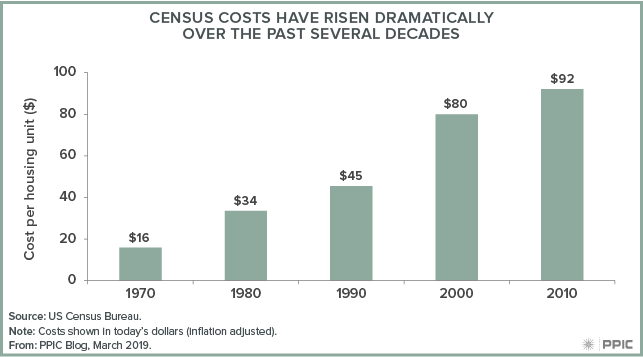
Following decades of escalating costs, the Census Bureau has made significant changes to modernize the census, in hopes of keeping costs similar to what they were in 2010 ($92 per household). For the first time, most households will be invited to respond online, and newly developed tools will help manage field operations. These changes should reduce the staffing levels and infrastructure necessary to conduct the census.

Census Costs Have Risen Dramatically Over the Past Several Decades

But new approaches also create new risks. The US Government Accountability Office has designated the 2020 Census at high risk of failure, citing capacity and planning issues and the fact that the testing of new systems has been scaled back. Several field tests were cancelled in 2017, and the full end-to-end test, which is designed to approximate actual census operations, took place in only one location rather than three, as originally planned. Recently, the NAACP released documents suggesting that chronic underfunding and understaffing at the Census Bureau have negatively affected census preparations.

As of December 2018, the Census Bureau had identified almost 1,100 security weaknesses in its IT systems that still needed to be addressed. Possible threats include disruptions to the website platform, malware from respondents’ personal devices, and impersonation of the Census Bureau. The bureau maintains that it is fully vetting new processes—including working with industry and the Department of Homeland Security to identify and protect against IT threats.

Another big uncertainty concerns the federal administration’s plans to add a citizenship question. Several lawsuits have challenged this decision, and the Supreme Court is scheduled to make a ruling by the end of June on whether the question can be included. Regardless of the ruling, census responses are confidential and, under federal law, the Census Bureau cannot share any personally identifiable information, even with other government agencies. However, combined with federal government rhetoric and actions around deportation, a citizenship question may lower response rates among California’s 10 million immigrants, especially households with undocumented members.

Last year’s end-to-end test did not include a citizenship question. But this July, the Census Bureau will conduct a nationally representative test that should shed light on the question’s potential impact on response rates. Results will help shape the bureau’s outreach strategy and determine if more census workers are needed to follow up with households that don’t respond.

In the meantime, what can California do to ensure an accurate count next year? The state has already invested more in census outreach than any other: $100 million for 2018–19, with an additional $54 million proposed for 2019–20. State and local governments and organizations all have a role to play. Building awareness about the role of the census in determining funding for local public services will go a long way toward motivating Californians to respond, as will assuring residents that their data will be safe and secure.

To discuss what’s needed as California prepares for the 2020 Census, PPIC will be hosting an event on Monday, March 25 in Sacramento with Secretary of State Alex Padilla and other distinguished leaders and experts. Those who cannot attend in person are welcome to join the live webcast, or visit our website later to watch a video of the event.

2020 Census: Counting Imperial County

The decennial census plays an essential role in American democracy. Our series of blog posts examines what’s at stake for California and the challenges facing the 2020 Census, including communities that are at risk of being undercounted.  

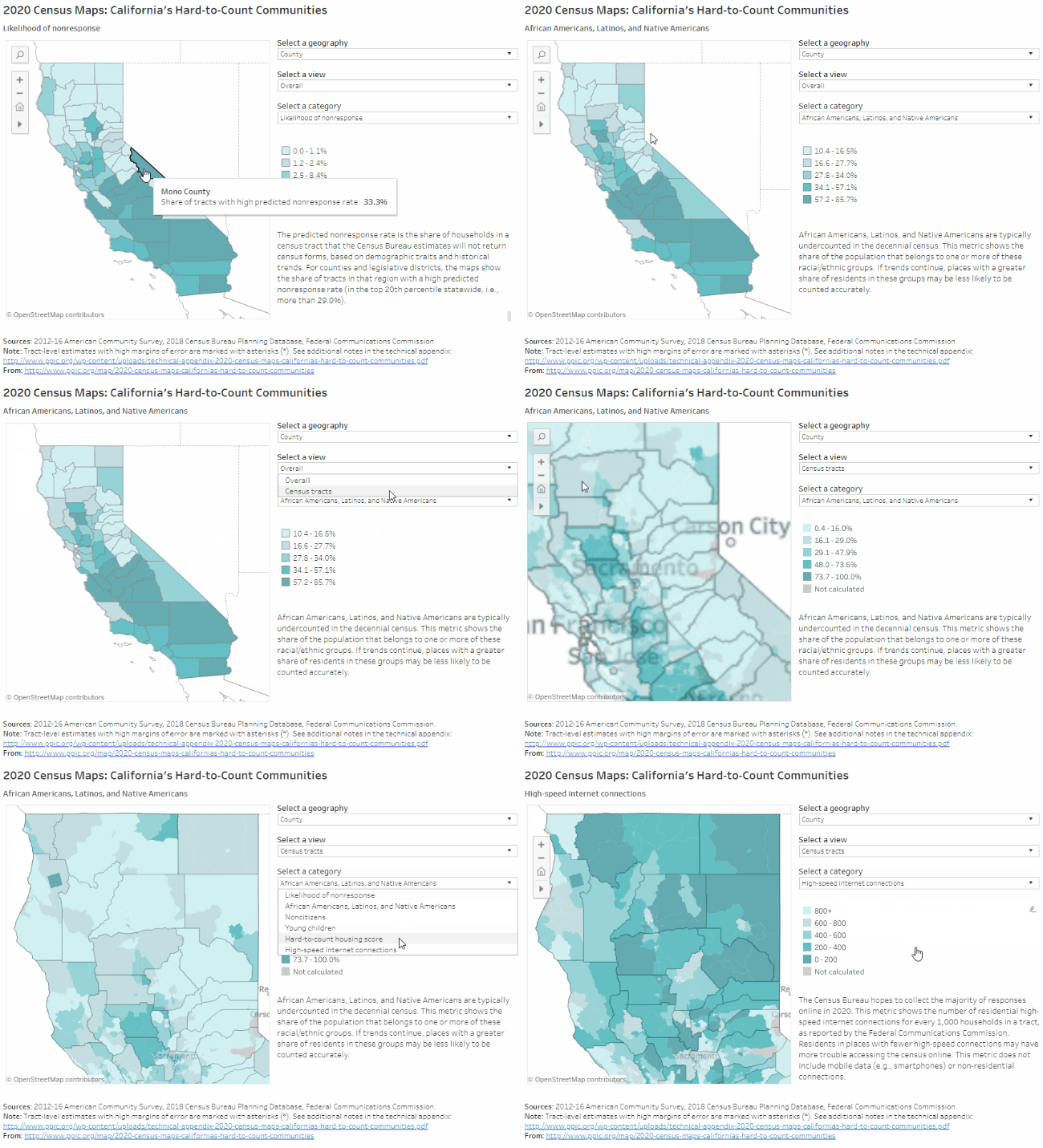
PPIC’s interactive census maps are an important tool for Californians working to ensure an accurate census count. Using estimates from the Census Bureau and the Federal Communications Commission, they highlight hard-to-count communities across the state and pinpoint reasons why certain areas may be hard to reach.

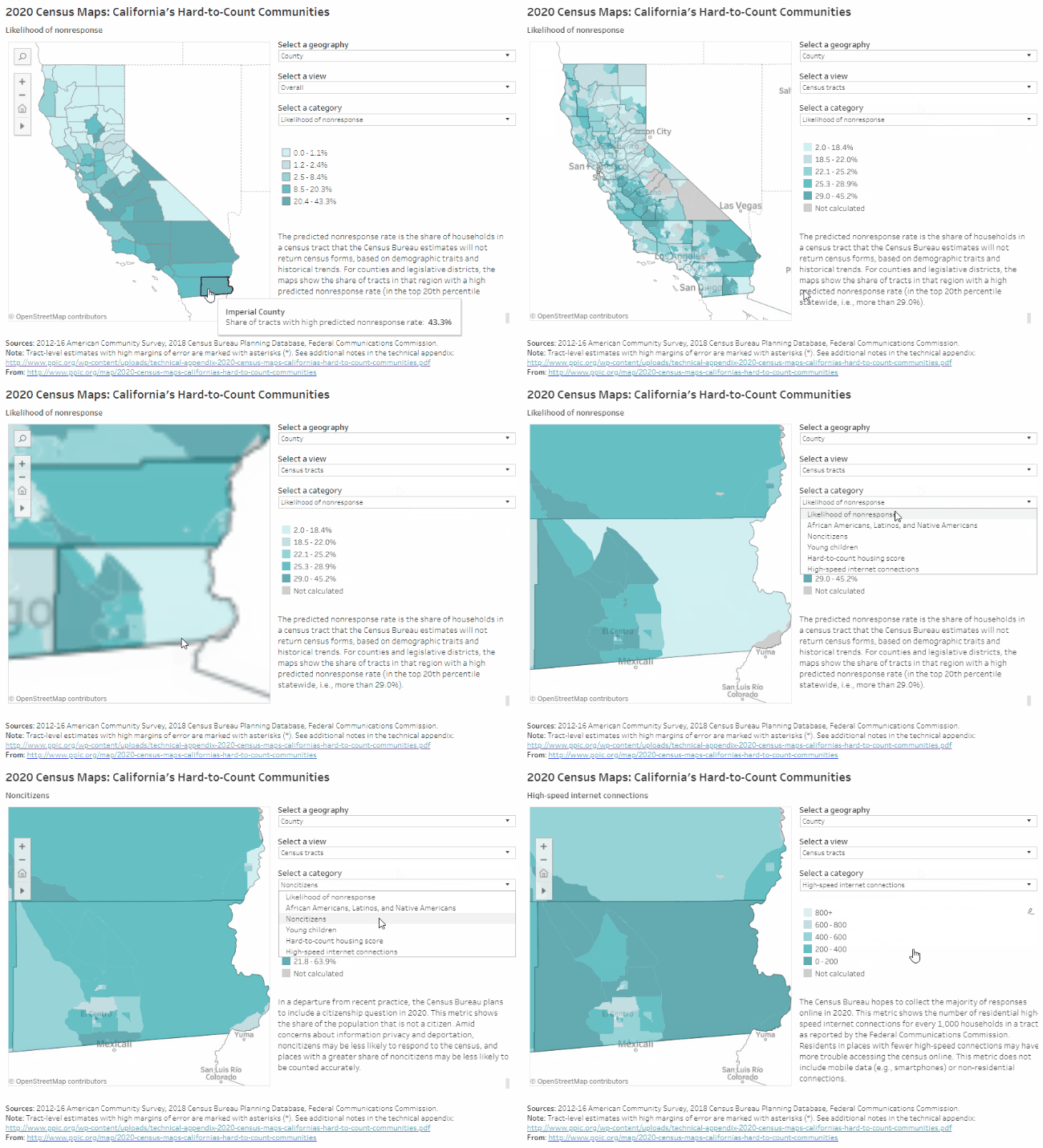
Home to nearly 200,000 people, Imperial County will likely be one of the hardest-to-count counties in California. According to Census Bureau estimates that draw on demographic characteristics (e.g., race/ethnicity, age, citizenship, and housing conditions) and historical trends, 43% of census tracts in the county will be very hard to count—the highest percentage of any county in the state. Households in these very hard-to-count areas—which are concentrated in the western half of the county, around the Salton Sea and El Centro—are the least likely to respond initially to census forms and are therefore at risk of being undercounted.

Some highlights:

  • Legislative districts representing Imperial County are among the hardest to count in California. Between 33% and 52% of census tracts are considered very hard to count in Congressional District 51 (Vargas), State Senate District 40 (Hueso), and State Assembly District 56 (Garcia). Undercounting residents of these districts could result in political representation shifting away from Imperial County and toward areas with higher population counts, since district lines will be redrawn based on the results of the 2020 Census.
  • Almost all residents belong to demographic groups that have been historically undercounted. In the past, the census has disproportionately undercounted African Americans, Latinos, and Native Americans, as well as young children. The large majority of Imperial County’s population is Latino—with higher shares of Latinos in the western half of the county—and the Fort Yuma Indian Reservation is located in the southeast. Altogether, 86% of county residents are African American, Latino, or Native American (compared to 45% statewide). Noncitizens—who may be less likely to respond in 2020 due to the planned addition of a citizenship question and concerns about deportation and privacy—make up 17% of residents in this border county (compared to 14% statewide).
  • Imperial County has a high share of young children, particularly in its cities and towns. Children under five years old make up 8% of Imperial County residents, compared with 6.5% statewide. Most young children live in the Imperial Valley, along the corridor from the Salton Sea to Calexico, or outside Yuma, Arizona. In the more rural areas to the east and west, less than 3% of county residents are children under five.
  • Housing conditions could make it difficult to accurately count residents. Compared to the rest of the state, Imperial County has relatively high shares of renters (44%), overcrowded rental units (15%), and mobile homes (8%), all of which can make residents harder to count. Reaching residents at home will require strategies that vary by geography and reflect local understanding of how families make ends meet. In the eastern part of the county, for example, almost 60% of housing units are mobile homes, and about 20% are rentals, while in and around El Centro and Calexico less than 20% of units are mobile homes but more than 60% are rentals.
  • Much of the county lacks high-speed residential internet access. The Census Bureau plans to collect the majority of responses online in 2020—a change from previous practice. Imperial County has one of the lowest rates of internet access in the state: with the exception of only one neighborhood in El Centro, fewer than 800 households per thousand in the county have high-speed internet connections. In places with limited residential internet access, census participation may rely more heavily on paper forms, in-person census takers, or internet provided by local institutions.

We hope these maps serve as a starting point to help local, regional, and state leaders think about which activities, resources, and partnerships—including language assistance, awareness raising, and community outreach—might be most effective for accurately counting different parts of California. While this concludes our regional series on hard-to-count communities throughout the state, stay tuned for future posts on the decennial census as we near 2020.

2020 Census: Counting Orange and San Diego Counties

The decennial census plays an essential role in American democracy. Our series of blog posts examines what’s at stake for California and the challenges facing the 2020 Census, including communities that are at risk of being undercounted.  

PPIC’s interactive census maps are an important tool for Californians working to ensure an accurate census count. Using estimates from the Census Bureau and the Federal Communications Commission, they highlight hard-to-count communities across the state and pinpoint reasons why certain areas may be hard to reach.

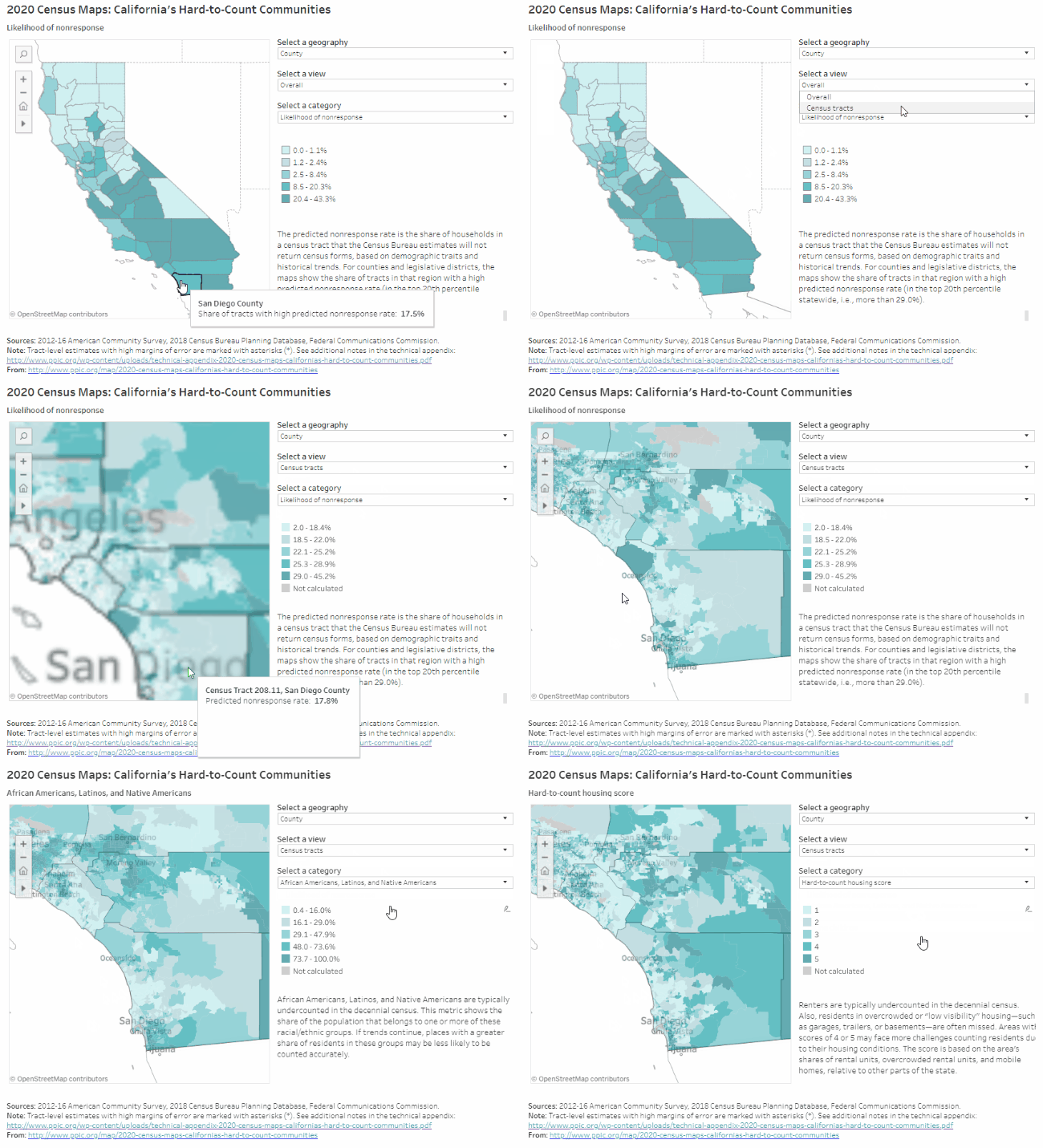
More than 6.5 million Californians live in Orange and San Diego Counties. In Orange County, the hardest-to-reach neighborhoods are found in Anaheim, Buena Park, Santa Ana, and Tustin. In San Diego County, the hardest-to-count areas include parts of Oceanside and Escondido in the northwest and, in the southwest, pockets of the cities of San Diego and Chula Vista. Altogether, San Diego County has a higher share of these very hard-to-count areas (18% of census tracts) than Orange County (11%), according to Census Bureau estimates that draw on demographic characteristics (e.g., race/ethnicity, age, citizenship, and housing conditions) and historical trends. Both counties have higher shares of these areas than 60% of counties, statewide. Households in these very hard-to-count areas are the least likely to respond initially to census forms and are therefore at risk of being undercounted.

Some highlights:

  • Undercounting hard-to-reach areas could affect political representation in the region. Since the 2020 Census will be used to redraw legislative district lines, political representation could shift away from certain neighborhoods if they are undercounted relative to other areas. For example, in Assembly District 80 (Gonzalez Fletcher), which covers southern parts of the cities of San Diego and Chula Vista, as well as a stretch of the southern border with Mexico, 52% of households are predicted to not respond initially to the census—compared to 19% in the surrounding districts.
  • Knowledge of local population trends can help guide effective outreach. Some neighborhoods in the region have higher concentrations of African Americans, Latinos, or Native Americans—populations that have historically been undercounted in the census. Latinos make up the large majority of residents around Anaheim and Santa Ana in Orange County, as well as in parts of the cities of San Diego and Chula Vista in San Diego County. In some of these same neighborhoods, more than a quarter of residents are noncitizens, who may be less likely to respond in 2020 due to the planned addition of a citizenship question. Moreover, in central and eastern parts of San Diego County, working with tribal governments to reach Native Americans will be necessary to count all residents.
  • Housing conditions may present challenges to an accurate count, particularly in urban areas. Renters and people living in overcrowded conditions or mobile homes can be harder to count accurately. Hard-to-count housing in the region is concentrated in urban parts of Orange County and in urban and eastern San Diego County. For example, in several neighborhoods in Anaheim, Stanton, and Santa Ana in Orange County, more a quarter of rentals are overcrowded. The same is true for many neighborhoods in the southwest corner of San Diego County, which also often have high shares of mobile homes. San Diego County has hard-to-count housing in inland areas as well, including in Bostonia, El Cajon, and several tribal lands.
  • The region has small pockets of relatively low internet access. The Census Bureau plans to collect most responses online in 2020—a change from previous practice. Though urban areas generally have better internet access than rural areas do, a number of neighborhoods in the cities of San Diego and Chula Vista actually have fewer high-speed residential internet connections than the surrounding suburbs. Central and eastern San Diego County also have relatively low internet connectivity. In these places, it may be harder to collect responses online, and participation will rely more heavily on paper forms, in-person census takers, or internet provided by local institutions.

We hope these maps serve as a starting point to help local, regional, and state leaders think about which activities, resources, and partnerships—including language assistance, awareness raising, and community outreach—might be most effective for accurately counting different parts of California. Stay tuned for future posts that examine hard-to-count communities in other regions of the state.

2020 Census: Counting California’s Northern and Sierra Regions

The decennial census plays an essential role in American democracy. Our series of blog posts examines what’s at stake for California and the challenges facing the 2020 Census, including communities that are at risk of being undercounted.  

PPIC’s interactive census maps are an important tool for Californians working to ensure an accurate census count. Using estimates from the Census Bureau and the Federal Communications Commission, they highlight hard-to-count communities across the state and pinpoint reasons why certain areas may be hard to reach.

Home to 1.4 million people, California’s northern and Sierra regions cover around 40% of the state, spanning 23 counties: Alpine, Amador, Butte, Calaveras, Colusa, Del Norte, Glenn, Humboldt, Inyo, Kings, Lake, Lassen, Mariposa, Mendocino, Modoc, Mono, Plumas, Shasta, Sierra, Siskiyou, Tehama, Trinity, and Tuolumne. The hardest-to-count areas in these regions are found in Arcata, Chico, and Mammoth Lakes in Humboldt, Butte, and Mono Counties, respectively. Households in these very hard-to-count areas are the least likely to respond initially to census forms, according to Census Bureau estimates that draw on local demographic characteristics (e.g., race/ethnicity, age, citizenship, and housing conditions) and historical trends.

Some highlights:

  • Follow-up from census workers will likely be needed across the north and Sierras. In most census tracts in California’s northernmost and rural Sierra counties, estimates suggest 19% to 29% of households would need in-person follow-up from census workers to be counted. Further, these estimates from the Census Bureau predate the Camp, Carr, and Mendocino Complex fires, which have likely made it more difficult to count residents.
  • Housing conditions could be an obstacle to counting residents in coastal areas as well as around the northern Sacramento Valley. In these areas, large shares of housing units are rentals, overcrowded rentals, and/or mobile homes—all of which can make residents harder to count accurately. For example, more than 20% of households live in mobile homes in much of Trinity and Tehama Counties, and one out of five rentals in northeastern Siskiyou County is overcrowd Recent wildfires have likely increased the share of households in hard-to-count housing, as displaced families seek shelter elsewhere.
  • Low internet access may pose a challenge throughout the regions. The Census Bureau plans to collect the majority of responses online in 2020—a change from previous practice. Northeastern and central Sierra counties have some of the lowest rates of internet access in the state: in Plumas County, for instance, fewer than 200 out of every 1,000 households have high-speed internet access, on average. In places with limited residential internet access, participation may rely more heavily on paper forms, in-person census takers, or internet provided by local institutions.
  • Undercounting Native Americans would disproportionately affect northern and Sierra counties. African Americans, Latinos, and Native Americans have historically been undercounted in the census. There are tribal lands throughout these regions, which have a higher share of Native American residents than other parts of the state. Working with tribal governments to reach Native Americans will be an important part of accurately counting residents in the northern and Sierra regions.
  • Local knowledge is necessary for effective outreach. Colusa County has the regions’ highest share of residents from historically undercounted racial/ethnic groups (60%) and the highest share of noncitizens (15%). Noncitizens may be less likely to respond to the 2020 Census due to the planned addition of a citizenship question and concerns about deportation and privacy. Ensuring that these communities are counted in 2020 will require an understanding of the local landscape. For example, one area east of Susanville in Lassen County that includes two correctional facilities has a high share of people of color. However, incarcerated people, who are counted where they are held, are unlikely to be undercounted in the census.
  • Some northern counties have high shares of young children. Young children are historically underrepresented in the census. Along the I-5 corridor in the Sacramento Valley, and in parts of Lake, Mendocino, Humboldt, Del Norte, Siskiyou, and Lassen Counties, more than 8.5% of residents are children under five years old, compared to 6.5% statewide.

We hope these maps serve as a starting point to help local, regional, and state leaders think about which activities, resources, and partnerships—including language assistance, awareness raising, and community outreach—might be most effective for accurately counting different parts of California. Stay tuned for future posts that examine hard-to-count communities in other regions of the state.