Video: Managing Wastewater in a Changing Climate

California’s wastewater sector plays a key role in protecting public health and the environment. It is also the source of recycled water—a growing part of the water supply. But as climate change increases the risks of water scarcity and creates other new challenges, the sector is at a turning point. A recent event brought together PPIC researchers and a panel of experts to explore how wastewater management can adapt to a more volatile future.

Caitrin Chappelle, associate director of the PPIC Water Policy Center, outlined findings from a new report on climate risks to the sector and strategies needed to manage them. She noted that drought—as well as ongoing efforts to conserve water—can have unintended consequences for the sector. Less water flowing into treatment plants affects treatment processes and can harm infrastructure. Less treated water flowing out of these plants reduces supplies for downstream users, ecosystems, and recycled water uses.

Chappelle noted that cooperation is a key strategy for building resilience: “Local wastewater agencies will need to work closely with one another, with water supply agencies, and with the state to build a more resilient future.”

Identifying tradeoffs and understanding the unintended consequences of water conservation and the use of treated wastewater are key to developing good policy, noted the panel’s moderator, Kurt Schwabe, a professor at the University of California, Riverside, and an adjunct fellow at the PPIC Water Policy Center.

The three panelists—Jelena Hartman of the California State Water Board, Adam Link of the California Association of Sanitation Agencies, and Nina Hawk of the Santa Clara Valley Water District—discussed the interactions between water use and wastewater, lessons learned from the latest drought, and ways to improve coordination and information sharing with water suppliers going forward.

Hartman noted that with the 2012‒16 drought emergency behind us, “it’s a good opportunity to talk about what worked, what didn’t work” for managing future low-flow situations. “We need to plan, adapt, and be prepared, because the next drought will come,” she added.

Hawk said her agency is fully behind efficient water use but also recognizes that conservation can have impacts on wastewater management and recycled water supplies. “We really have to step back and take a planning look at it,” she said. Collaboration between water suppliers and treatment agencies is key to managing wastewater for multiple uses, she noted.

Link highlighted the difficulty in planning for future capital improvements for both sanitation and recycled water in a changing climate. “If you’re not sure how low your flows will go, how do you plan for a plant that will be useful 30 years from now?” This may require more creative planning for capital investments to ensure that new infrastructure is flexible enough for changing conditions—for example, connecting recycled water plants to groundwater and surface storage to help them weather drought.

We invite you to watch the video from the event.


Video: State and Federal Experts Discuss San Joaquin Valley’s Water Future

How can state and federal agencies help California’s largest agricultural region address its difficult water management problems? This was the theme of an event last week that brought together PPIC experts with top officials working on issues related to water, agriculture, and natural resources.

Ellen Hanak, director of the PPIC Water Policy Center, launched the event by summarizing findings from a new report on the valley’s water- and land-management challenges and outlining some strategies for addressing them.

Groundwater overdraft is the valley’s key water challenge. A state mandate to bring groundwater use to sustainable levels will have broad effects on valley agriculture and the regional economy—most likely including some permanent idling of farmland to balance water budgets. Hanak noted that only about a quarter of the valley’s groundwater deficit can be filled with new supplies at prices farmers can afford.

According to Hanak, the most promising solutions fall into three buckets: “Ways to increase flexibility in how we manage water and related land resources; ways to provide incentives so that growers, who are some of the key decision makers on the ground, can do this so it makes business sense to them; and ways to stack benefits so you get more than one thing out of it—maybe you get groundwater recharge and wetland habitat, for example.”

The three panelists—Wade Crowfoot of the California Natural Resources Agency, Karen Ross of the California Department of Food and Agriculture, and Thomas Hedt of the Natural Resources Conservation Service’s California office―discussed key issues and ways their agencies can partner with local stakeholders to ease the process of replenishing groundwater in coming years.

Crowfoot highlighted the importance of working with local communities, governments, and water agencies to address water challenges. “State government doesn’t actually have the solutions. We have the resources and the power of making new laws, but the solutions that are going to help limit disruption as it relates to water are going to be found on the ground,” he said. “The question is what can we do at the state level to empower the locals to find those solutions.”

Ross said multi-benefit approaches will be critically important, particularly for reaping environmental benefits when land is fallowed. “New partnerships and unusual allies” are key to achieving such benefits and finding durable solutions, she noted.

For example, she added, “the environmental justice community and agriculture community continue to partner to find drinking water solutions”—a process that “also bodes well for what we can do on the land.”

Hedt described new federal pilot projects to improve wildlife habitat and promote groundwater recharge. He noted that a key federal farm program has been made more flexible to allow broader partnerships that can enable habitat conservation on farmlands and address other challenges more efficiently.

We invite you watch the video from the event.
This was the second public event about this research; the first was held in Fresno in February.

Testimony: Upgrading California’s Water Grid to Meet 21st Century Needs

Ellen Hanak, director of the PPIC Water Policy Center, testified today (April 2, 2019) before the House Subcommittee on Water, Oceans, and Wildlife, at a hearing on the state of western water infrastructure and innovation. Here are her prepared remarks.

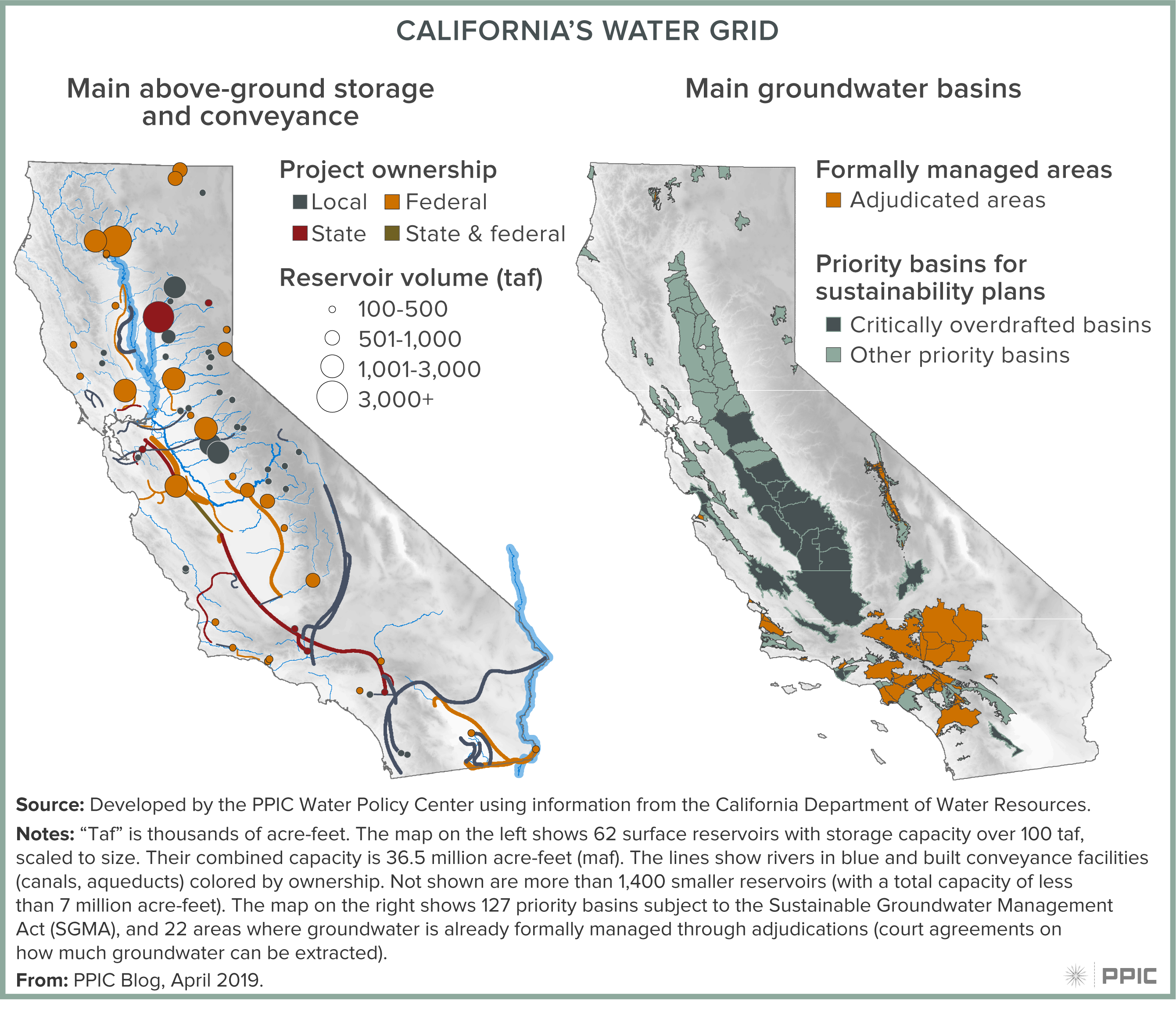
Most western states rely on water “grids”—networks of above- and below-ground water storage and conveyance systems—to manage their water supplies. California’s water grid is unusually extensive and connects most water use in the state. It is also complex, with different elements owned and managed by a wide array of local, state, and federal entities.

California’s water grid provides numerous services: it stores water, reduces flood risk, generates electricity, helps maintain downstream ecosystems, and provides recreation. But various factors are putting stress on this system. As the 2017 Oroville Dam crisis showed, the state’s above-ground infrastructure is aging—much of it is more than 50 years old. And in many areas, groundwater basins are being depleted, making wells go dry, raising pumping costs, harming ecosystems, and causing lands to sink and damage vital infrastructure. The changing climate is compounding these pressures.

figure - California's Water Grid

The PPIC Water Policy Center put together a team of experts in climate science, hydrology, ecology, engineering, economics, and law to review the weak points in California’s water system and recommend actions to build the system’s climate resilience. Our 2018 report Managing Drought in a Changing Climate found that five climate pressures—warming temperatures, shrinking snowpack, shorter and more intense wet seasons, more frequent extreme wet and dry years, and rising seas—will greatly challenge water management in coming decades.

Indeed, many of these effects are already occurring. Warmer, more intense droughts—such as the one California experienced from 2012–16—increase pressures to draw down groundwater reserves. Warmer, more intense storms add stress to surface reservoirs, making it harder to meet sometimes competing objectives of supplying water and protecting people and property from harmful floods.

California’s water grid is not prepared to handle these mounting pressures. Yet it is also the state’s most valuable asset for adapting to the changes in store. What’s needed is a more robust, better-integrated water grid. This will require investments to modernize not only the infrastructure, but also the way the system is managed. Here are some top priorities:

  • Enhancing groundwater storage. Groundwater is a vital drought reserve, and many California basins have considerable potential to affordably store more water. But the lack of active management—including tracking groundwater use—has been an obstacle to these investments. One very positive outcome of the latest drought was the enactment in 2014 of the Sustainable Groundwater Management Act, which requires local water users to develop and implement sustainability plans. The first plans are due in early 2020, and many will focus on new recharge efforts. In addition to expanding dedicated recharge ponds, some farmers and irrigation districts are experimenting with new methods, such as flooding suitable cropland during the winter months.
  • Repairing and upgrading dams, canals, and aqueducts. Addressing infrastructure weaknesses and gaps is essential for both flood protection and water supply. Expanding conveyance capacity will be key for getting water from winter and spring storms to where it’s needed for replenishing groundwater storage. This can also facilitate water trading—an important way to increase the flexibility of water supply and reduce the costs of water scarcity during droughts.
  • Rethinking infrastructure operations. California will be able to store more water if it manages surface and groundwater as a system to increase their combined potential. For instance, moving more water out of surface reservoirs and into aquifers in the fall can free up room in reservoirs to capture winter and spring storms. As another example, promising efforts are underway in some watersheds—including the Russian River, the American River, and the Santa Ana River—to update dam operations using advanced weather forecasting technology. More accurate forecasts can help managers decide whether they need to release water to protect downstream areas from flooding, transfer water to groundwater basins, or keep water in storage for later use.

There are many ways the federal government can help update the grid to meet 21st century needs in California and throughout the West. Here are a few priorities:

  • Assessing and improving system capacity. As owners and operators of major surface water infrastructure, federal agencies—especially the US Bureau of Reclamation and the Army Corps of Engineers—will be essential partners in assessing system capacity issues and the potential for new investments and operational changes to improve the grid’s performance and resilience.
  • Providing essential data. A variety of federal agencies—including the US Geological Survey and the National Oceanic and Atmospheric Administration—are key providers of data needed to better manage the grid under changing conditions. This includes essential metrics such as stream flows, weather forecasts, groundwater models, and space-based imagery to measure water use. These agencies also provide crucial biological data to help manage the grid sustainably. Some of these efforts have faced budget cuts in recent years, dampening their usefulness.
  • Supporting groundwater reform. To date, the federal government has been less engaged on the key issue of groundwater management—an underappreciated part of the grid whose importance will grow as the climate warms and water stored in the mountain snowpack diminishes. California is in the midst of a major, locally driven groundwater reform that will provide valuable lessons for improving the management of this vital resource across the western US and beyond. As owner and operator of the Central Valley Project, the US Bureau of Reclamation can support this effort by making it easier for its local water customers and others to recharge groundwater in suitable areas. As the regulator and manager of flood control systems throughout California, the Army Corps of Engineers can help local flood control agencies capture storm runoff and increase groundwater recharge. And as a major source of funding and technical assistance to farmers, USDA’s Natural Resource Conservation Service could help spur innovation by recognizing groundwater depletion as a resource concern, making it eligible for support.

California, like all western states, is facing major water management challenges as the climate warms and population grows. Weather extremes over the past decade have given us a glimpse of what the future holds. The best way to adapt to these changes is to modernize water grids. The federal government has been an essential partner in developing and operating these grids for more than 100 years. Given the challenges ahead, it is time to modernize this partnership, not just the grid itself.  This includes integrating federal support, operations, and technical expertise into all phases of water management, particularly groundwater.  From our many conversations here at PPIC with state and local water managers, California appears ready for an improved state-federal partnership.  I encourage members of this subcommittee to engage in finding ways to help modernize this relationship.

Rising Seas Bring Rising Water Management Challenges

Sea level rise—driven principally by melting continental ice and expansion of the oceans as they warm—is a significant threat for those living along the coast. Adapting to increases in coastal erosion and flooding—and managing the broad impacts of sea level rise on the state’s water systems—will be expensive and disruptive for millions of Californians.

A recent study by the US Geological Survey took a sobering look at future risks from rising seas. The authors describe how storm surge, very high tides (popularly known as king tides), and large waves during storms can amplify the effects of sea level rise. They simulated coastal erosion and flooding over the next two centuries and found there could be dramatic increases in damages during modest storms, and catastrophic flooding during rare, large storms. These impacts are projected to appear by the middle of the 21st century, at a scale likely to significantly affect the state’s economy.

Beyond costly efforts to protect against coastal erosion and ocean flooding, coastal areas will also need to manage increased inland flooding. Large storms can amplify the effect of rising seas by bringing greater storm surge, particularly if these coincide with king tides. Storm runoff flowing down coastal creeks will meet rising waters caused by storm surge and tides, exacerbating flooding. This issue is particularly acute in parts of the Bay Area (including much of Silicon Valley) and low-lying areas in Southern California. Major new efforts to manage runoff and protect existing homes and businesses will be needed.

Sea level rise will also affect water management in other ways. One area is wastewater treatment. Throughout coastal California and particularly in the San Francisco Bay Area, wastewater and stormwater treatment takes place in facilities that are currently at or near sea level. The Bay Area alone is home to 30 such facilities that are vulnerable to damage by rising seas and storms.

Water supply will also be affected. Many coastal aquifers will see increases in salinity as sea levels rise and storms push saltwater farther inland. But the most significant impact on supply is likely to be associated with changes in the Sacramento‒San Joaquin Delta.

The Delta lies at the head of the San Francisco Bay estuary and the confluence of the Sacramento and San Joaquin Rivers. More than 25 million Californians and 3 million acres of farmland rely on the Delta for a portion of their water supplies. These exports are managed by large state and federal projects that pump water from the southern Delta.

Sea level rise affects the Delta in two ways. First, to keep its waters fresh enough so that cities and farms can use it, a certain amount of fresh water has to flow out of the Delta and into the San Francisco Bay. If the outflow is insufficient—whether due to drought, reduced inflows from upstream water use, or high export pumping—tides push saltwater into the Delta, making its water unusable.

The second way sea level rise will affect the Delta concerns the 1,100 miles of levees that line its channels. Levees hold water back from Delta islands, whose lands are now well below sea level due to sinking soils. Failure of these levees—particularly in the western Delta—can lead to changes in the way tides circulate water in the Delta. These changes amplify the increases in salinity from sea level rise alone; together, they put additional pressure on water supplies.

Addressing the many effects of sea level rise on California water management requires extensive planning and costly investments in infrastructure. The US Geological Survey study shows that these impacts are not in some distant future, but are likely to become significant in just a few decades. The good news is that state and local officials are starting to work on this problem, which will take many years to address.

Widening the Conversation about Safe Drinking Water in the San Joaquin Valley

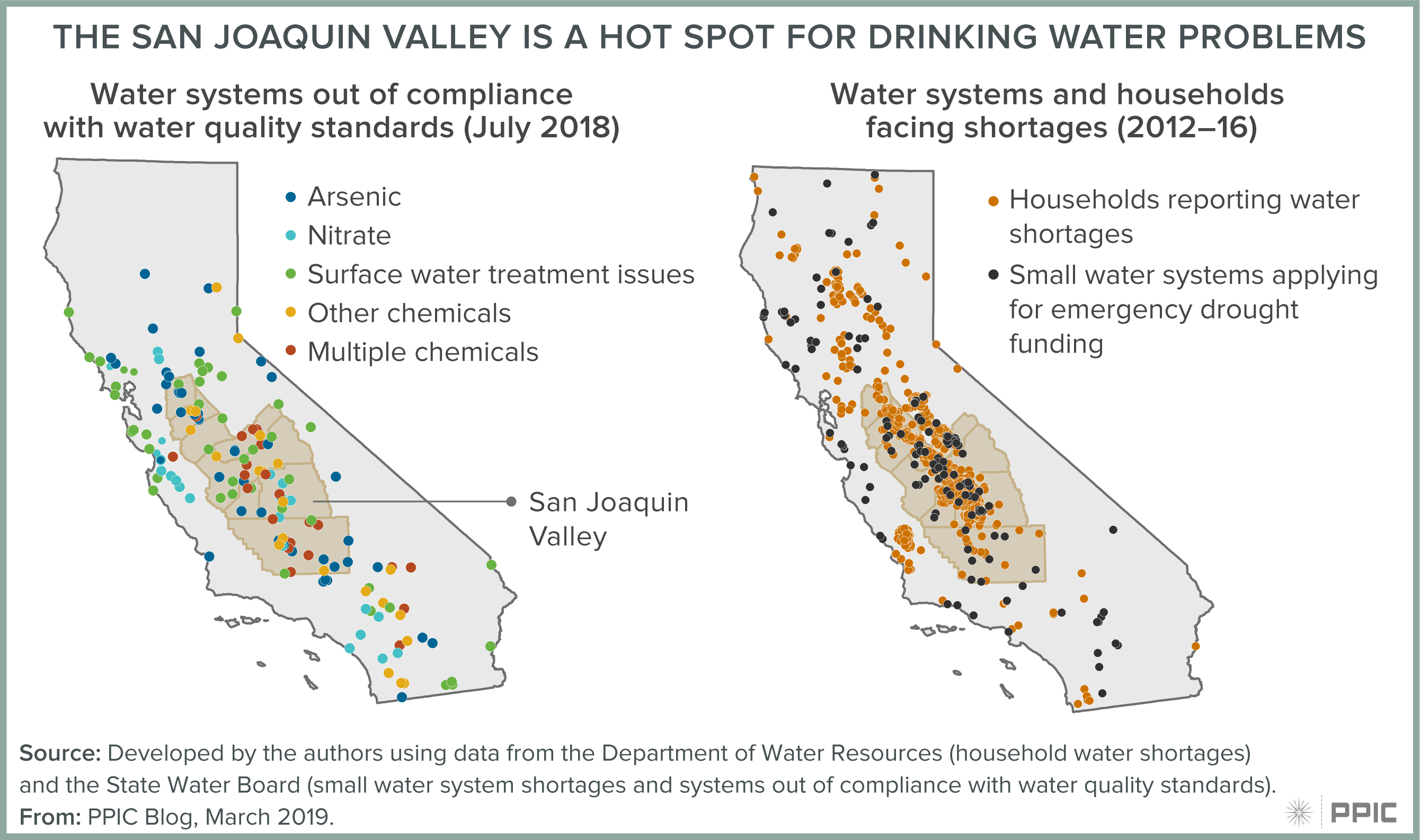
The theme of this Friday’s World Water Day is the lack of safe drinking water that affects many millions of people worldwide. Here in California, the San Joaquin Valley is a hot spot for unsafe drinking water. The region has more than half of all public water systems that are out of water-quality compliance in California, but just 10% of the state’s population. In addition, chronic decline in groundwater levels has caused drinking water wells go dry in a number of the region’s communities. We talked to Veronica Garibay—co-founder and co-director of the Leadership Counsel for Justice and Accountability—about ways to ensure community involvement in water management decision-making processes.

photo - Veronica Garibay

PPIC: What is key to understanding the valley’s safe drinking water crisis?

VERONICA GARIBAY: Water management is a particularly opaque and complex process, and past decision-making processes related to land use and water management failed to meaningfully include disadvantaged community voices and address their needs.

Climate change brings major risks to our water resources. The communities that are already the most vulnerable to the impacts of climate change—including water shortages during droughts, worsening water quality, flooding, and other problems—will see their vulnerability exacerbated. We have to change the way we manage water resources to adapt to these changes.

We have to bring our most vulnerable communities into these conversations, prioritize their needs, and make sure they, too, have decision-making authority over policy, programs, and projects.

Disadvantaged communities have been at the forefront of the progress we’ve already made on providing safe drinking water. They led the charge that gave the State Water Board the authority to consolidate small systems into larger ones, brought emergency funds to communities whose wells went dry during the drought, and led to the board’s establishment of the Office of Sustainable Drinking Water Solutions. Now their leadership is building momentum around the proposed safe and affordable drinking water fund, which would provide much-needed resources to pay for ongoing operations and maintenance costs and capital projects to ensure safe drinking water.

figure - The San Joaquin Valley Is a Hot Spot for Drinking Water Problems

PPIC: The Sustainable Groundwater Management Act requires local agencies to protect water quality while balancing groundwater supplies and demands. Why is it important for disadvantaged communities to participate in this process?

VG: Water is a critical resource to all of us, and the most vulnerable people should have a say in its management. Communities have a lot to contribute and need to be part of the solution. As a region we need to democratize the process and make sure that all interests are considered.

We’re working to ensure that planning for groundwater sustainability is more inclusive by encouraging groundwater sustainability agencies to establish authentic and meaningful space for direct community input and engaging communities most vulnerable to water quantity and quality issues in the region. We want to see sustainability plans that incentivize programs, policies, and projects that support safe drinking water and benefit households in disadvantaged communities.

PPIC: Are there good models for participation in the process?

VG: The North Fork Kings groundwater sustainability agency (GSA) has established a rural community advisory committee. It helps bring disadvantaged rural communities into the process to develop a sustainability plan. That’s a good step in making sure communities are providing direct input.

And the Madera GSA is encouraging all stakeholders to learn from each other and talk to each other. They’re making sure a variety of stakeholders get in the same room to learn how decision making on water affects different groups, and how we can shape solutions together.

We’d like to see more GSAs give some authority to disadvantaged communities and meaningfully build space into their processes for communities to participate.

Equal access to information is also key—what’s being presented at meetings should be accessible and in different languages if needed. And we need to ensure there is space to give feedback and that this feedback is reflected in the final sustainability plans.

These efforts will take work. Organizations like ours, and Self Help Enterprises and the Community Water Center, have all offered to collaborate with GSAs and help them engage community participation. The state has provided some funds for community engagement as part of its support of the SGMA planning process. But GSAs will also need to budget for equity—plan for and allocate resources to make sure they’re intentionally engaging communities.

Watch a video of Veronica Garibay and other panelists discussing water supply and water quality management in the San Joaquin Valley

The Challenges of Changing Land Use in the San Joaquin Valley

Implementing the state’s Sustainable Groundwater Management Act—which requires overdrafted groundwater basins to achieve balance between supply and demand by the 2040s—could require taking at least 500,000 acres of irrigated cropland out of production in the San Joaquin Valley. While some lands will be converted to uses such as solar energy, groundwater recharge, and restored habitat, there are no current plans for most of this acreage. We talked to Soapy Mulholland, president and CEO of Sequoia Riverlands Trust, about this impending challenge.

photo of Soapy MulhollandPPIC: What key challenges does this land use transition pose?
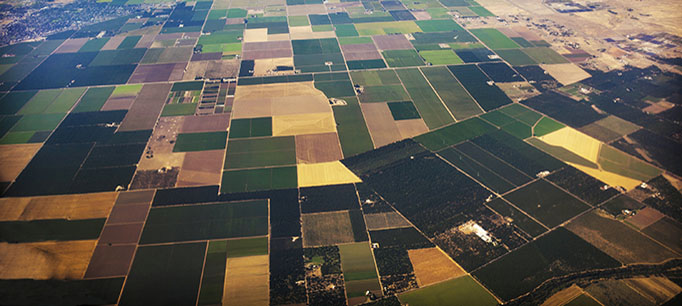
Soapy Mulholland: The challenges of managing this amount of land if it’s fallowed piecemeal―5 acres here, 30 there—are huge. A hodgepodge of retired lands would be very difficult to manage and restore.

When farmland is left bare it can cause dust and weed problems, so it will need cover crops. Finding the right cover crops that don’t use a lot of water is likely to be expensive. Grazing can help keep weeds down, but that requires fencing and most of the valley’s farms aren’t fenced.

PPIC: What are some top priorities for ensuring these lands are well managed?

SM: What we need is a vision for how to retire large blocks of land. That will require a “banking” system that pays farmers for retiring land and allows other farmers to purchase credits for a portion of the retired lands’ water, which they can then use on their own lands.

Let’s say you are a highly productive walnut farmer. You don’t want to fallow any of your 100 acres, so you would prefer to purchase a block of unproductive land to get water credits and keep your farm going. It’s a form of water trading. We need to figure out systems for how best to do that.

The idea is to buy farmland with low productivity, retire it, and link it to existing natural habitats. This could extend wildlife corridors from other parts of the region and allow for landscape-scale conservation on the valley floor. For example, there is a lot of potential to do this with less-productive lands at the edge of Tulare Lake Basin—we could conceivably get blocks of land 30,000 to 40,000 acres in size there.

We’ll need an organization or agency that can buy up retired lands—and systems in place to help manage them. We’ll also need a broad coalition of expertise, for example, appraisers and bankers to keep track of credits, and land managers with expertise in open space. We’ll need sophisticated systems that address all the different rules and regulations in California, and that connect all the various stakeholders and agencies that will be involved. And we’ll need funding—both for planning and for the systems themselves.

PPIC: Are there good examples of ways to use the idled lands?

SM: The establishment of solar plants in the Carrizo Plain area in eastern San Luis Obispo County is a good example. The solar companies had to figure out how to mitigate for impacts to habitat and agricultural land. They ultimately purchased more than 30,000 acres of rangeland and dry farmland, and entrusted future management to state agencies or land trusts (including our organization). Using grazing and other management techniques, these lands are now being restored, and even the areas under solar arrays are being managed to benefit at-risk species like the San Joaquin kit fox. Connecting these lands with the nearby Carrizo Plain National Monument offers even greater opportunities to multiply the benefits that each protected area provides on its own. It’s a good example of how to manage large parcels for multiple uses: habitat, agriculture, and renewable energy.

We need more pilot projects to set examples and figure out how best to do this. In the San Joaquin Valley, projects could focus on converting large parcels of retired farmland to semi-irrigated pasture or native grassland, with management in the hands of experienced land trusts. This approach could have benefits ranging from carbon sequestration and natural groundwater recharge to improved air quality and habitat for threatened and endangered species. As in Carrizo, landscape-scale conservation could produce much better outcomes than disconnected projects.

Bringing our region’s groundwater use in line with sustainable supplies will require significant changes in land use, agriculture, and water markets. Figuring out the right answers is likely to push all of us―farmers and ranchers, urban dwellers and conservationists alike―out of our comfort zones. But a coordinated approach to farmland retirement offers opportunities for landscape-scale conservation that can benefit people and nature.

Watch a video with Soapy Mulholland and other panelists discussing planning for water and land use transitions in the San Joaquin Valley

A Winning Approach for Managing Groundwater in the San Joaquin Valley

The San Joaquin Valley is in a time of great change. Decades of groundwater overuse have caused drinking water and irrigation wells to go dry, increased the amount of energy required to pump water, harmed ecosystems, and reduced the reserves available to cope with future droughts. Groundwater overdraft has also caused land to sink, damaging major regional infrastructure, including canals that deliver water across the state.

These problems spurred the enactment of the Sustainable Groundwater Management Act (SGMA), which requires local water users across California to bring groundwater use to sustainable levels by the early 2040s. With California’s largest groundwater deficit, the San Joaquin Valley is ground zero for implementing SGMA.

Although the region will reap many long-term benefits from ending overdraft, the transition to groundwater sustainability will be challenging and costly. The good news is that some approaches can greatly reduce the costs of bringing basins into balance.

The valley faces a groundwater deficit of nearly 2 million acre-feet per year (11% of net annual water use). To close the deficit, local agencies will have to augment their supplies, reduce their demands, or use some combination of these two approaches.

Our new report shows how a portfolio approach—with supply investments that farmers can afford and tools that increase flexibility for managing demand—offers a winning combination. The most promising supply options are to capture and store more local runoff, especially in groundwater basins, and to increase water imports by managing the system differently. On the demand side, increasing water trading—both within and across groundwater basins—can significantly mitigate the impacts of reducing water use, by allowing farmers to maintain the crops that generate the most revenue and jobs.

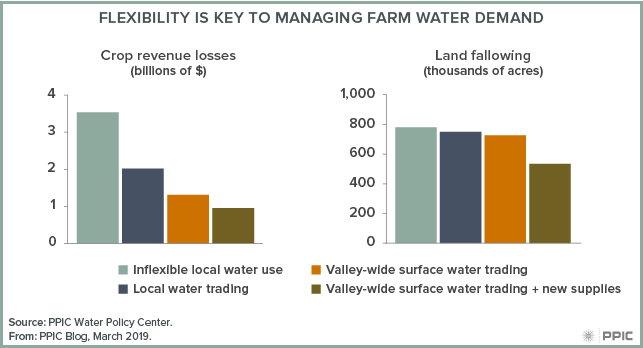
As the figure below shows, if farmers have no flexibility to trade water or adapt crop choices, ending overdraft without new supplies would require fallowing 780,000 acres—about 15% of the valley’s 5.2 million acres of irrigated cropland. It would also cause crop revenue losses of about $3.5 billion per year—roughly 17% of current crop revenues in the region.

figure - Flexibility Is Key to Managing Farm Water Demand

But if farmers can make flexible crop choices and trade ­water within local groundwater basins, fallowing would decline slightly, and crop revenue losses would fall by nearly half (to $2 billion per year). And with broader, surface water trading across the San Joaquin Valley, farmers in the south would buy some water from the north, where it is more abundant. This also would not change the amount of fallowed acreage by much, but it would further reduce the need to fallow the most profitable fruit, nut, and vegetable crops—lowering revenue losses by nearly two-thirds (to $1.3 billion per year).

Finally, a portfolio approach combining water trading and cost-effective supplies would reduce crop revenue losses by three-quarters (to $0.9 billion per year). The new supplies would also make a large dent in the need for land fallowing, which would fall by nearly one-third (to 535,000 acres).

Using a portfolio approach to achieve groundwater sustainability and avoid economic disruptions in the valley will require coordinated efforts among local, state, and federal agencies. The most pressing priorities are those related to expanding groundwater recharge and water trading, including:

  • Assessing infrastructure needs and modernizing water operations
  • Incentivizing recharge on farmlands
  • Clarifying how much water is available for recharge
  • Developing a healthy local trading culture
  • Facilitating state and federal approvals for trading and banking

Finally, to reap the most benefits from recharge, trading, and other tools, local entities will need to collaborate both within and across basins. Since the valley has more than 120 groundwater sustainability agencies for its 15 groundwater basins, overcoming institutional fragmentation will be key to success.

Video: Water and the Future of the San Joaquin Valley

The San Joaquin Valley is at a critical juncture in determining its water future. California’s largest agricultural region is ground zero for many of the state’s most difficult water management problems, including groundwater overdraft, drinking water contamination, and declines in habitat and native species.

A state mandate to bring groundwater use to sustainable levels will have a broad impact on valley agriculture and the regional economy in coming years, likely including some permanent idling of farmland.

The PPIC Water Policy Center assembled a group of regional experts last week for a half-day public event at Fresno State to discuss three overarching challenges: balancing the valley’s water supplies and demands, addressing water quality problems, and planning for beneficial water and land use transitions.

Ellen Hanak, director of the PPIC Water Policy Center, launched the day’s discussions with a summary of the valley’s water-related challenges and approaches that could help address them. “The valley faces unprecedented challenges and a lot of change,” she said. Drawing from a new PPIC report on the valley’s water future, she noted that an all-hands-on-deck approach will be needed as the scope of the problems can’t be addressed farm by farm. “The most promising approaches are those that increase flexibility, provide incentives to encourage folks to make decisions that are beneficial, and can be done cooperatively.”

The first panel focused on ways to balance supply and demand in the face of an annual groundwater deficit of nearly 2 million acre-feet a year. Some of the approaches discussed included assessing opportunities to use infrastructure and farmland to augment groundwater recharge, crediting landowners for helping to recharge aquifers, and providing flexibility to farmers—for instance with water trading—so they can avoid fallowing the most profitable crops.

“The goal is to put as many tools into the hands of the landowners to give them the opportunity to manage [groundwater sustainability] to the best of their ability,” said Eric Averett of the Rosedale-Rio Bravo Water Storage District.

The second panel tackled the complex and pressing groundwater quality issues the valley faces—from resolving safe drinking water problems in poor rural communities to addressing ongoing nitrate and salt contamination of groundwater and soils. Key challenges include finding ways to pay for safe drinking water for affected communities; identifying cost-effective approaches to reduce nitrate contamination, especially on farmlands managed by dairies; and ensuring that flooding farmland to recharge basins doesn’t harm groundwater quality.

The final panel explored ways to manage fallowed land to get multiple benefits for people and nature. “We can think about ways to manage recharge basins to create wildlife habitat,” said Nat Seavy of Point Blue Conservation Science, one of the authors of the PPIC report. “There are opportunities to restore retired land and create habitat for San Joaquin desert species, and we can restore floodplains in a way that provides flood benefits for people.”

A common theme to the day’s discussions was finding ways that local stakeholders can work together on these difficult problems. As Hanak noted, “The leadership on this has to come from the valley. State and federal support can help, but folks in the valley will need to drive the change.”

We invite you to watch the videos from this event and hope you find the discussions helpful:

Commentary: A Balancing Act for the Water-Stressed San Joaquin Valley

This commentary was published in the Fresno Bee on February 21, 2019.

The San Joaquin Valley is on the brink of a major transition as it seeks to balance its groundwater accounts. California’s largest farming region has the state’s biggest groundwater deficit—almost 2 million acre-feet per year by our estimates. To put it in context, that’s about one Don Pedro Reservoir’s worth of water a year.

Read the full commentary on fresnobee.com.

Commentary: Delta Interests Should Seize the Opportunity to Cease Water Fights

This commentary was published in CALmatters on February 21, 2019.

The Sacramento–San Joaquin Delta is a major source of water for cities and farms across the state, and a major source of water conflict.

In a Sacramento Bee editorial two years ago, we and our colleague Brian Gray promoted a grand compromise for the Delta. We suggested that the three broad interests fighting about its future—water users, environmental groups, and Delta residents—give up something in order to reduce conflict and make progress. During his first state of the state address, Gov. Gavin Newsom opened the door to just such a compromise.

Three interrelated issues in the Delta are in tension and need resolution:

  • First, the reliability and quality of its water are in decline. More than 25 million Californians and 3 million acres of farmland rely on the Delta for a portion of their water supply.
  • Second, ecosystems in its watershed are changing, harming fisheries and threatening extinction of some native species.
  • Finally, many of the 1,100 miles of fragile levees that protect people’s farms and homes are in need of costly upgrades.

Climate change and rising sea levels are making all of these problems worse.

Gov. Jerry Brown’s WaterFix program aimed to solve the supply problem by building two large tunnels underneath the Delta to route Sacramento River water to Bay Area and Southern California cities and San Joaquin Valley farms.

The project’s size, and its potential for ecological harm if mismanaged, made it untenable to most Delta residents and environmental groups. It also was very costly, with uncertain financing prospects. A stalemate developed in which none of these interrelated issues—water supply, ecosystems, levees—could be adequately addressed.

Gov. Newsom has changed that equation by proposing to build one tunnel, not two.

A single tunnel would perform almost as well as two tunnels, particularly when operated in tandem with the existing pumps in the south Delta. It would cost substantially less. And it would give assurances to environmental groups and Delta residents that the project would not create the large impacts many fear.

Environmental groups should take this opportunity to sign on to a new approach for managing the Delta.

This would involve focusing less on the volume of flows dedicated to protecting endangered species and more on how flows and habitat—managed together—can improve ecosystem conditions.

Doing this well will require major commitments to habitat restoration from the state and water users. It will also require new approaches to managing environmental water.

We recommend establishing ecosystem water budgets that can be stored, traded, and flexibly allocated. This makes the environment a partner in water management rather than merely a constraint. Reliable funding, good governance, and robust scientific support will be essential components of this package.

There’s an opportunity for the new governor to move forward on the ecosystem issue as well. The State Water Board is revising its Water Quality Control Plan for the Delta.

Governors Brown and Newsom have stated their desire that water users and environmental groups develop negotiated agreements as an alternative to new environmental flow regulations from the board.

Done well, such agreements have the potential to create flexible allocations of water for the Delta ecosystem. The clock is ticking. Getting these negotiations completed is critical to resolving the Delta’s problems.

The administration also must address the future of the Delta’s fragile levees. Some are essential for managing water quality, and all are under threat from climate change, sinking land, and earthquakes. There is an opportunity to build upon the recently completed Central Valley Flood Plan and the Delta Stewardship Council’s efforts to prioritize investments in levees. A comprehensive, reliably funded plan that accounts for the multiple threats to levees is sorely needed.

In California’s complicated water wars, some may consider “compromise” synonymous with surrender. But those who insist on fighting will only be rewarded with more fights. Progress happens when parties give up something to get what they really need. By proposing to build one tunnel instead of two, Governor Newsom has opened the door for a grand compromise in the Delta. The Delta’s many interests should seize this opportunity.