Video: Gavin Newsom’s Priorities

Gavin Newsom, California’s lieutenant governor and a candidate for governor in 2018, was asked in a San Francisco forum last week to name the three issues that will make the biggest difference in California’s future. Newsom, who is also a former mayor of San Francisco, predicted that both California and the nation will be grappling with these issues over the next ten years:

  • Debt and demographics. With California’s population aging rapidly, the state and its cities face growing public employee pension and health care liabilities. “As a progressive Democrat, I’m not naïve about the commitments we’ve made and the commitments we must fulfill,” Newsom said. “Nor am I naïve, as a former mayor, about the challenge of meeting those commitments . . . Cities like Richmond are facing the prospect that by 2021, by one estimate, upwards of 40% of their general fund will go to retiree contributions.”
  • Energy and climate change. The state has set ambitious goals to reduce greenhouse gas emissions and increase energy efficiency. “The next governor has to deliver,” he said.
  • Information technology and globalization. “The issue that animates my anxiety: work, the future of work.” The days of having a job or career have given way to something radically different, forcing us to think in terms of portable benefits and retirement security, he said. Further, workers in retail, food and beverage, and clerical jobs—the top employment categories—are on the “edge of automation.” Displacement of these workers will require us to have a different conversation about skills, education, and social mobility, Newsom said.

The conversation with Newsom was part of the PPIC Speaker Series on California’s Future. PPIC is inviting all major candidates for governor to participate in a public event if they reach a certain threshold in the polls. The goal is to give Californians a better understanding of how the candidates intend to address the challenges facing our state.
Watch all candidate videos.

Video: California’s Aging Population

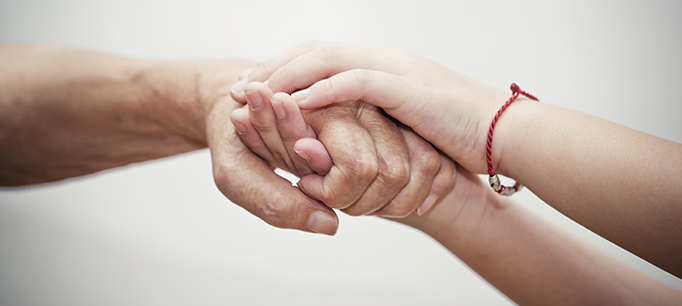
California is on the verge enormous change. In 2030—when the youngest baby boomers have reached retirement age—the state’s senior population will be nearly twice as big as it is today. It will be more ethnically and racially diverse. And many more seniors are likely to be living alone.

These changes have already begun, and their policy implications are wide-reaching. The state’s growing and changing senior population will require more support services and health care professionals. How is California coping with the challenge? That was the question posed to a panel of experts at a PPIC event in Sacramento last week.

“We could be doing better,” said Assemblymember Cheryl Brown, chair of the Assembly Committee on Aging and Long-Term Care. She said information that can help caregivers is fragmented and not easily accessible.

Her assessment was shared by fellow panelists Karen Keeslar, executive director of the California Association of Public Authorities for In-Home Supportive Services, and Barbara O’Connor, a boardmember of AARP.

But Brown sounded a hopeful note. She predicted that as many more Californians—including legislators—begin care for aging loved ones the issue would become prominent. In fact, Brown and her fellow panelists are or have been caregivers for members of their own families. Keeslar noted the sheer number of Californians who are using in-home support services today—507,000, compared to 90,000 in 1980.

O’Connor advocated new models for senior living to help more Californians live as independently as possible—and not necessarily alone at home. Small senior communities are thriving as alternatives to nursing homes in other states, she said.

“It’s not just nursing home versus staying home,” she said.

Before the presentation, PPIC research fellow Laurel Beck provided an overview of a new report, Planning for California’s Growing Senior Population, which she coauthored.