New Federal Policies Will Help Manage Wildfire Risk

California’s headwater forests have experienced a long-term decline in health and have suffered unprecedented tree death and severe wildfires as a result. About half the Sierra Nevada and southern Cascade forests are owned and managed by the US Forest Service (USFS). HR 1625, the federal budget bill enacted in March of this year, contains four new reforms that will make it easier for the USFS to ramp up management efforts and reduce wildfire risk in this region:

  1. Protecting funds dedicated to forest management and restoration. The Forest Service’s fire suppression activities have traditionally been funded from the same pot of money that pays for management to reduce hazardous fuels, like prescribed burning and mechanical thinning. The rising costs of wildfire suppression thus draws resources away from management actions. This fiscal practice, sometimes known as “fire borrowing,” creates a vicious cycle. With low levels of management, fuels continue to build up, increasing the likelihood and intensity of future fires—and the cost of suppressing them. The reform freezes USFS expenditures on wildfire suppression at 2015 levels and creates a new source of wildfire suppression funds that is independent from funds for forest management and restoration. This change becomes effective in fiscal year 2020.
  2. Expediting small-scale forest management projects. Currently, the USFS can streamline environmental review for certain types of small-scale projects that don’t pose a significant environmental threat, such as restoring burned areas, stopping insect infestation, and performing some commercial harvesting. This reform expands USFS authority to streamline approval for small, proactive fuel-management projects that improve forests’ resilience to drought, pest, and wildfires. USFS Region 5 (serving California, Hawaii, and the Pacific Islands) is evaluating opportunities to use this new streamlining tool in 2019.
  3. Improving tools for collaboration between the Forest Service and local parties. USFS’s stewardship projects allow businesses, local governments, and nonprofits to play a larger role in carrying out forest management projects on USFS lands. This harnesses additional resources to promote forest health on these lands. The new policy doubles the maximum duration of stewardship projects to 20 years, which could encourage larger projects and more substantial investments in supportive infrastructure, such as roads, sawmills, and biomass energy generators.
  4. Improving tools for collaboration between the Forest Service and states. This reform expands the management work that states may perform on USFS lands under the Good Neighbor Authority (GNA). The GNA can be helpful when private or local government landowners share a boundary with federal forests. The new policy expands the use of GNA programs to include road rehabilitation and repair projects that can improve access to forests in need of management. The USFS expects this will encourage partnerships with state agencies such as Caltrans and California State Parks, which regularly repair roads in the vicinity of national forests.

This new suite of policies signals a growing prioritization of forest management and provides concrete steps to increase the pace and scale of active management. The changes will allow USFS to develop stronger partnerships with other forest landowners and stakeholders, and could help lead to healthier headwater forests in California.

How “Weather Whiplash” Could Change California

First came the drought, then the floods: California has long bounced between the two weather extremes―most recently when the latest drought segued into 2017’s record-breaking rain and snow. Such “weather whiplash” could become much more common as the climate changes, according to a new study. We talked to Daniel Swain, a climate scientist at UCLA—and the study’s lead author—about what to expect.

PPIC: California already has a highly variable climate. How will this be different?

Daniel Swain: There will be much bigger swings between wet and dry years. We project a 25–100% increase in extreme swings in this century. On top of that we’ll probably see some changes in seasonality. While it will still be dry in summer and wet in winter, spring is likely to become considerably drier in most of the state, especially in the south. This will have big consequences for things like the snowpack and wildfire risk.

California’s human and natural systems can usually withstand the kind of variations we’ve seen in the past. But as the frequency and intensity of these swings increases, it could push some species to the edge. For example, the warming climate is already stressing our forests faster than they can adapt—we’re seeing a dramatic example of this right now with widespread Sierra Nevada tree mortality. And warming temperatures are making it difficult to manage for salmon and other fishes that rely on cold water.

It could be equally hard for the state’s water system to adapt to the bigger floods. Our big dams were designed to capture smaller floods than what we expect in the future. We can make some changes on the margins, but these structures were built for a climate that we no longer have.

PPIC: What is the most surprising thing about your findings?  

DS: We were surprised by how much the risk for really severe flood events increases. We project a 300–400% increase in the likelihood of events similar to California’s 1862 Great Flood, which brought weeks of unrelenting rain and inundated much of the Central Valley. We found that it’s more likely than not that an event comparable to the 1862 flood will occur in the next 40–50 years. Keep in mind that there’s no modern precedent for this—it would exceed all previous tests of our flood management infrastructure.

It’s important to remember that we based our study on fairly pessimistic assumptions. If the world greatly reduces greenhouse gas emissions, California could see a smaller increase in extreme flood risk. But social and political factors will ultimately determine how much we reduce emissions in coming decades, so uncertainty remains.

PPIC: What is the key takeaway for water managers?

DS: We need to think about managing droughts and floods simultaneously, because some adaptations to help manage drought could make it harder to manage floods and vice versa. For example, increasing water stored behind California’s big dams gives us a nice buffer against a couple years of drought. But this saved water can become a liability because it reduces the reservoir space available to capture flood water. A higher risk of big floods necessitates bigger safety margins, which means storing less water behind dams for dry times.

One way to help manage this trade-off is to increase the use of natural floodplains to take up some of the water from big storm events. For example, Sacramento’s Yolo Bypass is intentionally inundated to protect the city from big floods. Another approach is to capture the water released from dams to make space for floods and store it underground. And when floods inevitably come, use flood waters to recharge groundwater.

Are California’s Cities Ready for the Next Drought?

California’s urban areas—where more than 90% of residents live—managed the last drought quite well. How well prepared are cities and suburbs to weather the next long dry spell? Here are two things to know about urban drought preparedness.

Are we backsliding too much on water conservation?

While it’s true that urban water use is not as low as it was at the height of the latest drought in 2015, it is still much lower than in 2013, before Californians were asked to significantly limit their water use. This winter, some media stories highlighted unfavorable month-to-month comparisons—for example, water use in December 2017 was about the same as in December 2013. But what’s lost in this message is that water use in California is normally much lower in winter months, when very little is going to outdoor landscaping. When we smooth out the seasonal differences, water use in 2017 was roughly 13% lower than in 2013—and it has stayed down across all regions of the state (see figure).

During droughts people save water in all kinds of ways, but especially by reducing landscape watering, which in normal years accounts for about half of all urban water use. During the latest drought this saved a lot of water, but it also entailed costs—gardens and trees died and urban landscapes suffered.

Another thing to remember is that the large reduction in urban water use in 2015 and early 2016 was the consequence of state-imposed mandatory rationing. It’s normal for water use to rebound somewhat when rationing is lifted. This also happened after other recent droughts. Generally, though, Californians have been reducing their water use for the past several decades.

What should cities be doing now to prepare for the next drought?

With California’s variable climate, it’s always prudent to be prepared, because the next drought can be just around the corner. Even though urban water utilities have done a good job preparing for past droughts, they can’t rest on their laurels. For example, as cities and suburbs become increasingly efficient with water over the long term, this affects their ability to tighten their belts during droughts. There’s less of a cushion and fewer easy steps that can be done quickly. Utilities will need to address this trade-off by ensuring that some portion of the long-term water savings is reserved in storage for times of drought emergency.

Urban utilities also need to be better fiscally prepared for times when they sell less water. This was a real weakness during the latest drought. The dilemma is that up to 80% of the costs of supplying water to businesses and households don’t change with the amount of water people buy. Utilities still have to maintain their systems, but most of their revenues are based on the number of gallons sold. When you start asking everyone to conserve, you can quickly end up in the red. We recommend that as soon as a utility knows it will have to ask for drought savings, it should inform its customers about how that could affect rates. Some communities have drought surcharges, which work well. The key is to have a plan, communicate in advance, and engage the public in understanding the issue of balancing revenues and costs.

The PPIC Statewide Survey: Reflections at the 20th Anniversary

Mark Baldassare, president and CEO and survey director, and Abby Cook, vice president of communications, at the Public Policy Institute of California have worked on every PPIC Statewide Survey.

This year, the 20th anniversary of the PPIC Statewide Survey, is an important one in California. The state is at the forefront of many major national issues, and our voters will be electing new leaders across the board. Over the past two decades, PPIC has conducted nearly 175 public opinion surveys, interviewing more than 350,000 Californians—allowing us to see how the attitudes of state residents have evolved and providing valuable context for today’s policy landscape.

Our surveys show that Californians have long had a progressive streak when it comes to such topics as environmental protection, gun restrictions, and a woman’s access to abortion. However, views on other key issues have undergone significant change. Among them:

  • The perception that immigrants are a net benefit to California has been steadily climbing. In 1998—the first year of the PPIC survey—46% of Californians said that immigrants are a benefit to California because of their hard work and job skills; 42% said immigrants are a burden because they use public services. Last year, 76% said immigrants are a benefit, while 20% said they are a burden.
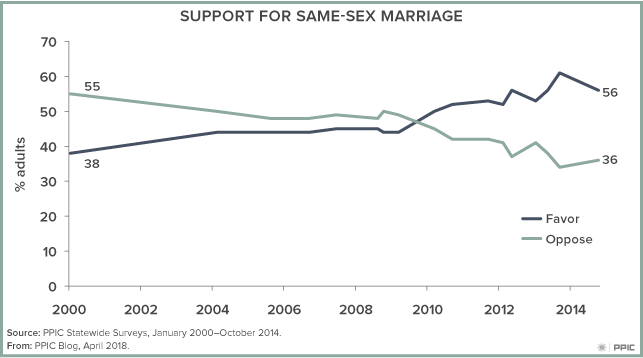
  • Majority support for legalizing same-sex marriage is now the norm. In 2000, we asked whether Californians favored or opposed allowing gay and lesbian couples to be legally married. Just 38% were in favor and most (55%) were opposed. By 2014, opinions reversed. A majority—56%—were in favor and 36% were opposed.
  • State action to combat climate change has evolved from a bipartisan issue to a partisan one. The Global Warming Solutions Act of 2006, landmark legislation that required the state to reduce greenhouse gas emissions to 1990 levels by 2020, enjoyed the support of a strong majority of Californians (65%)—including more than six in ten adults across parties—the year it passed. By 2016, support was similar (69%), but there was a wide partisan divide: majorities of Democrats (80%) and independents (56%) expressed support, while fewer than half of Republicans (44%) did so.

At the same time, the survey shows Californians holding steadfast on other issues:

  • The citizens’ initiative process in lawmaking is highly valued. In 2000, 68% of Californians were somewhat or very satisfied with the initiative process. By 2016, that figure had changed little (64%).
  • Californians express unwavering praise for Proposition 13. In 2003, the 25th anniversary of the landmark ballot measure, 57% of Californians said it had been mostly a good thing. This year, the 40th anniversary, that number remains the same.
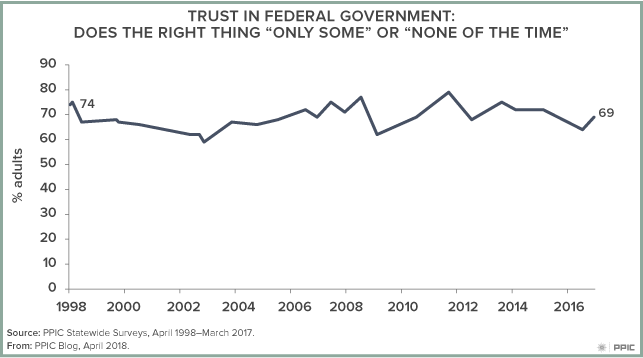
  • Distrust of government is a constant undercurrent in voter sentiments. In April 1998, 74% of Californians said they trusted the federal government to do what is right only some or none of the time. In 2017, a similar percentage—69%—expressed that view.
Above all, the survey has revealed that the most persistent element in California policymaking is what we call the state’s “exclusive electorate.” California voters tend to be older, white, affluent, homeowners, and college educated. Nonvoters tend to be younger, Latino, less affluent, renters, and less likely to be college educated than likely voters. Voters make significant policy decisions at the ballot box—but nonvoters provide a unique perspective on the role of government. At a time when economic inequality has become one of most important policy issues in the state, this divide is a key reason we conduct the PPIC Statewide Survey as we do. Our survey gives all Californians—nonvoters and registered voters alike—a real-time voice on current topics, political leaders, and public institutions.

PPIC is unique in California in its ability to combine state-of-the-art polling with an institutional commitment to tackling major issues affecting Californians. We are often asked about how we conduct the survey and the philosophy behind it. Here is a brief look behind the scenes.

First, our surveys adhere to the high-quality standards set by the most respected nonpartisan polling organizations that conduct national surveys—such as the Pew Research Center, the Washington Post, ABC, CBS, CNN, and Gallup. Like these organizations, we use a random digit dialing (RDD) methodology. Despite changes in the polling landscape, this method remains the most effective way to reach all adults. It allows for random sampling of households within California, meaning that each person in the population has an equal probability of being selected. Our surveys include live telephone interviews with adults (age 18+) in English and Spanish. After each survey is completed, we compare the survey sample to census statistics and make any necessary statistically weighted adjustments to achieve a representative sample.

Second, while our methods remain the same, our approach has changed in response to the challenges of reaching people by phone. Since 2003, we have worked exclusively with interviewing firms that conduct surveys for our national peers. Starting in 2008, we have conducted both landline and cell phone interviews. After the 2016 election, based on extensive analyses of the performance of online surveys and live telephone surveys, we decided to maintain our RDD methodology and increase our cell phone interviewing (65% in 2017, 70% in 2018).

Third, every survey is designed with the intent of delivering accurate, independent, nonpartisan information on the perceptions, attitudes, policy preferences, and ballot choices of California residents. Our core audiences are policymakers, the media, and other engaged Californians—all of whom have come to depend upon the PPIC Statewide Survey as a critical barometer of public opinion in the state. And amid the partisan rancor of political debate, PPIC’s surveys also point out areas of consensus among the state’s diverse residents, providing valuable information to policymakers.

Fourth, PPIC produces a range of products in conjunction with each survey—including blog posts, fact sheets, and a survey report with crosstabs. Large sample sizes (currently 1,700 adults) allow us to accurately report the findings of key subgroups, such as likely voters, partisan groups, major regions, and age, income, and racial and ethnic groups.

Finally, our surveys are free of charge and available to all. We disseminate the findings through outreach activities that include public briefings in Sacramento—videotaped and posted on our YouTube channel—and broad use of social media, where our followers include state legislators, nonprofit and business leaders, and reporters from major media outlets. We also convene forums around the state for constructive discussion of the issues raised in our surveys. As a result, the PPIC Statewide Survey has had a significant impact on informing policymaking, as measured by activities such as bill citations in the state legislature.

We are grateful to many PPIC colleagues who have worked diligently over the years to produce surveys that are timely, relevant, and accessible. For every survey, the staff makes the call on survey methods and questions, and the content of reports and press releases. We benefit greatly from the leadership of the PPIC board of directors, which is dedicated to maintaining the institute’s mission and values, and a survey advisory committee that provides substantive input and expertise. Lastly, we would not have arrived at the 20-year mark without grant support from foundation partners—the James Irvine Foundation for the “Californians and Their Government” survey series and the consortium who fund the annual education and environment surveys. These ingredients make it possible for PPIC to conduct independent, nonpartisan, high-quality polling that provides a voice for the public and likely voters.

The 20th year of the PPIC Statewide Survey is shaping up to be the most important to date. We are monitoring the attitudes of California adults on a host of critical issues while tracking the ballot choices of California likely voters in the 2018 election. We look forward to keeping you well informed during a consequential election year—and into the future.
3 Things to Know about California Droughts

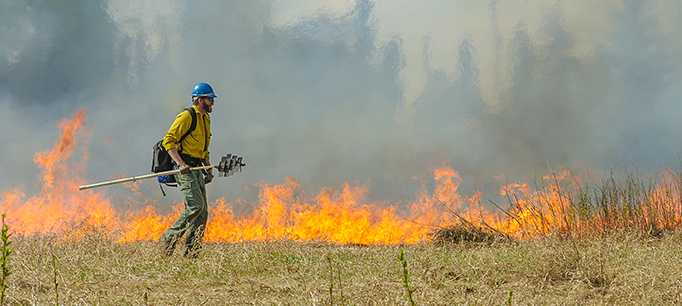
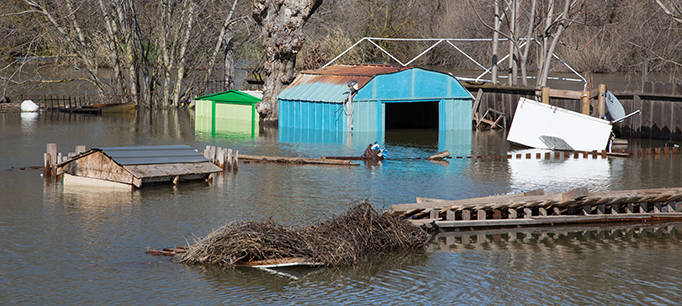
The erratic weather in recent months—a dry winter followed by “atmospheric rivers” that packed a punch in March and April, capped by a poor report on the state’s snowpack—hasn’t exactly offered a clear picture for drought watchers. In fact, there is no universal definition of when a drought begins or ends. Here are three things about droughts that every Californian should know.

Rain, snow, and water in storage are the conditions that define a drought in California.

Technically speaking, a drought is simply having less precipitation than normal. But California’s climate is so variable—indeed, it’s the most variable in the nation—that our “normal” is often either very wet or very dry. We also have an annual, seasonal “drought” from late spring through early fall.

To cope with this variability, we’ve developed a massive storage system and conveyance networks to move water to places where it is scarce and demand is high. Thanks to this elaborate water system, California can face one or two much drier-than-normal years without major disruptions.

California’s mountain snowpack has historically provided “free” seasonal storage for meeting summer irrigation needs. About a third of the state’s annual water supply is stored as snow in the Sierra headwaters. Large reservoirs across the state capture melting snow and release it during our dry summers. Experts have recently begun referring to a new type of drought—“snow drought”—to define years when reduced overall precipitation coincides with unusually warm winters. The winter of 2015 was a good example, with the all-time lowest snowpack in recorded history. Unfortunately, this is becoming more frequent due to the warming climate, and it has big implications for water management because our current system isn’t designed for this shift from snow to rain.

Accounting for these conditions, most of California is not expected to be in a drought this year. Precipitation levels have been low—somewhere between “dry” and “below normal”—and the snowpack is about half of average, but the large reservoirs are still in good shape after the 2017 deluge.

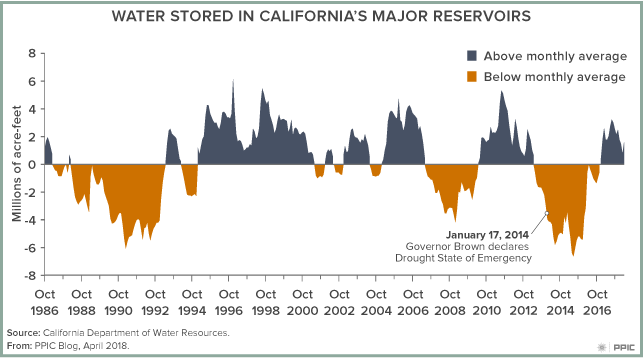
But this might change relatively quickly. As the figure shows, during successive dry years we rapidly draw down storage in reservoirs. By year two or three of a drought, reservoir releases are cut back and water scarcity becomes a problem, particularly in many agricultural regions. Groundwater helps reduce the impacts of drought, but it isn’t sufficient for extended droughts, and significant cutbacks in water use are required.

Drought vulnerability varies across the state.

California suffers a statewide drought only rarely, and the impacts of drought vary. Southern California is a relatively dry region, but it imports half of its water from Northern California and the Colorado River basin, both of which provide more reliable supplies. The central coast, which is not well connected to the statewide water system, relies much more on local precipitation and storage, which means it has a higher vulnerability to drought than other regions. In many areas, groundwater helps offset the loss of surface water during droughts. But long-term overreliance on groundwater—especially in the San Joaquin Valley—has led to negative effects, including dry wells, sinking lands, increased costs of groundwater pumping, and reduced supplies for future droughts.

Planning and preparing for drought can make a big difference. Our research has found that California’s cities and suburbs are the most drought-resilient areas of the state, thanks to significant local and regional investments in diversified water supplies.

Drought is not our only—or biggest—water problem.

Droughts worsen many of California’s water problems and heighten awareness of a number of other issues. But drought is not the underlying cause of critical, chronic problems facing California, such as difficulties accessing safe drinking water, our aquatic ecosystem crisis, or the unsustainable use of groundwater. Perhaps we put too much emphasis on drought―which is, after all, a natural feature of the state’s climate―and not enough on other critical issues.

How Oroville Is Changing Dam Safety in California

California’s 1,500 dams are regularly inspected and most have been safe for generations. Before last year’s Oroville Dam spillway crisis, the last dam disaster was the deadly 1928 Saint Francis Dam failure in Southern California. But the scale and drama of the Oroville crisis jolted the state into action, resulting in a stream of safety reviews, forensic analyses, and policy changes.

Within weeks of Oroville’s spillway incident, Governor Brown announced a 4-point plan to bolster dam safety and flood protection. And with the enactment of Senate Bill 92, a new dam safety regime has strengthened the state’s existing system.

We asked two experts about the lessons of Oroville for dam safety in California: Jeff Mount, a senior fellow at the PPIC Water Policy Center and an expert in hydrology and geology; and Jay Lund, director of the Center for Watershed Sciences at UC Davis, a member of the National Academy of Engineering, and an adjunct fellow at PPIC.

“First, we have to do a more complete job of assessing infrastructure,” said Lund. “We need to look for potential cascades of failures, which is what happened at Oroville. And we need to look at all of the outlet structures, which are essentially a dam’s safety valves.”

He noted that all federally regulated dams are subject to safety analysis every seven years, “yet they didn’t pick up the problems of Oroville. The lessons here are that you can never stop worrying about infrastructure and that we have to be prepared for things to fail.”

Mount seconded the need to stay vigilant, noting, “Water has a way of finding weaknesses in planning, design, and maintenance. If you miss something, eventually water will find a way to tell you so.”

Another new dam safety bill, Assembly Bill 1270, requires the state to consult with independent experts to update dam safety practices every 10 years. Lund said that will encourage the use of new kinds of technologies and practices. “But I think more important than the law itself is the culture of the people in charge of dams and dam safety, and whether they’re given the right resources and the mission to do more thorough assessments of old problems lurking in these structures.”

Mount noted that climate change is a complicating factor. “The inspections and upgrades are a good start,” he said. “But many of our dams―including Oroville―were designed more than 50 years ago. We need to evaluate how to operate them under changing hydrologic conditions.”

He added that many large dams try to fulfill multiple, conflicting objectives. “For example, a flood manager wants an empty reservoir during flood season while a water supply manager wants to fill the reservoir as much as possible. We’ll need to take a second look at how we manage dams for competing objectives and will likely face some tough trade-offs.”

Oroville also raises the question of how to pay for dam safety over the long term. “The Oroville episode will probably end up costing slightly less than $1 billion,” Lund said. “At 5% interest, that’s $50 million a year. A $50 million annual flood safety program might have avoided this. There is probably a good financial argument to increase spending on maintenance and inspection of major infrastructure.”

Video: John Chiang’s Priorities

John Chiang, the state’s treasurer and a candidate for governor this year, was asked last week to name the top three issues that will make the most difference for the state’s future. The question is the first one Mark Baldassare, PPIC president and CEO, asks of all gubernatorial candidates appearing before PPIC audiences. Chiang said his priorities are

  • Education
  • Housing
  • Jobs, climate change, health care—issues Chiang lumped together as the “things that are absolutely critical in everybody’s life.”

Chiang praised Governor Jerry Brown for the state’s K–12 finance formula that targets extra resources toward lower-income students, English Learners, and those in foster care. He said he would target more money toward students with special needs.

Referring to the state’s housing situation as an “extraordinary crisis,” Chiang said that even if an affordable housing bond measure passes in November, the state will need to return to the voters to get more money. He advocated reviving local redevelopment agencies, which the governor eliminated in 2011, to give local governments an economic tool to build housing.

Chiang referred to his background as treasurer, state controller, and member of the state Board of Equalization in emphasizing the need to ensure a way to pay for proposals such as single-payer health care—an idea he said he favors in concept. While describing the current system as inefficient, he said that the state can’t achieve single payer health care immediately. How long will it take? Chiang said more clarity from the federal government is crucial to understanding what the state can afford. “Let’s build what we can build. We don’t have to build a mansion at the beginning. Let’s build a starter house.” Chiang also said that the state needed to figure out how to insure an additional 2.9 million Californians who are currently uninsured.

The conversation with Chiang is part of the PPIC Speaker Series on California’s Future. PPIC is inviting all major candidates for governor to participate if they reach a certain threshold in the polls. The goal is to give Californians a better understanding of how the candidates intend to address the challenges facing our state.

Watch all candidate videos


Building Community to Support Healthy Forests

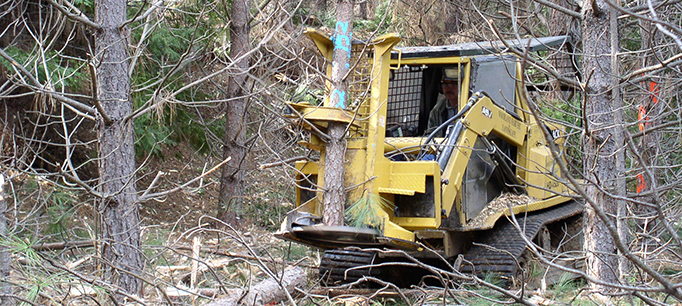
California’s mountainous headwater forests are in crisis, and an all-hands-on-deck approach is needed to improve their health. A combination of factors—dense forests with too many small trees, abundant ground fuels, and large patches of dead trees―leaves them increasingly vulnerable to severe wildfire. The best way to address the impacts of tree mortality and improve forest health is with strategic use of fire and mechanical thinning.

A big challenge to increasing the pace and scale of forest management is the patchwork nature of California’s headwaters. Implementing forest management is particularly challenging for many people who own family forests (parcels less than 5,000 acres in size), which make up about a quarter of the Sierra Nevada headwater forests. The high cost of forestry work on these small land holdings is a major barrier for many owners.

Resource conservation districts (RCDs) are one of several locally governed entities that can play an important role in helping landowners improve forest health. RCDs are authorized by the state to perform a variety of resource and land management functions, including forest stewardship, fuels management, and watershed planning and management. There are about 20 RCDs covering most of the Sierra Nevada headwater region. RCDs are well versed in local resource management issues and often are more trusted by local landowners than state or federal agencies.

RCDs can organize forest management projects across multiple private properties. For example, in 2017 the Placer County RCD used grant funding to pay for dead tree removal on family-owned forest properties in the rural community of Foresthill—an area that was hit hard by tree loss caused by drought and pests. RCDs could also assist groups of forest owners in identifying common management needs and pooling private resources to pay for on-going management.

RCDs are well placed to facilitate relationships between forest owners and other potential partners in management projects. For example, the Sierra RCD in Fresno County is implementing a district-wide carbon management program that makes use of dead trees from the massive tree die-off. With the help of the California Association of Resource Conservation Districts and the Governor’s Office of Planning and Research, the Sierra RCD is working with CAL FIRE and the US Forest Service to process these dead trees into a charcoal-like product called “biochar,” which can be used to increase soil health on nearby agricultural lands in the Central Valley.

Steve Haze, the district manager of the Sierra RCD, says these kinds of strategic partnerships can help “carve out a niche and add value to the effort” of removing large numbers of dead trees. Many RCDs are in a unique position to find overlapping interests and turn them into projects with multiple benefits in their districts.

While many RCDs may be keen to take on new roles and responsibilities to meet their local forest management needs, establishing long-term funding to support these efforts is a major challenge.  Less than 15 of the state’s 99 RCDs have adequate funding through local property taxes; the rest are supported by less-stable sources such as grants or appropriations from county governments. Finding durable funding sources for headwater RCDs could help spur long-term forest management work that would bring benefits to entire watersheds.

Learn more
Read Improving the Health of California’s Headwater Forests (PPIC, 2017)
Read California’s Water: Protecting Headwaters (from the California’s Water briefing kit)
Visit the PPIC Water Policy Center’s drought resource page


Video: Legislative Leaders Address Sexual Misconduct

When Anthony Rendon was asked to name the biggest issues for the governor and state legislature to address this year, he prefaced his answer with a look back. “Last year was a banner year,” the California assembly speaker said, citing infrastructure, housing, and climate change efforts. Then he added a caveat:

“Some of that was obscured—and rightly so—by the sexual harassment crises that developed in the fall. This year we have to start with that.”

Rendon said the assembly is revising sexual harassment policies and procedures that have not been updated since 1993, and he acknowledged that this is only the start in a larger change needed in the way the institution conducts its business.

Rendon spoke as part of an annual event that brings together California’s legislative leaders from both parties in a conversation with Mark Baldassare, PPIC president and CEO. Rendon was the lone leader on stage for much of the event because the state senate was discussing the fate of a colleague accused of sexual harassment.  Patricia Bates, Republican state senate leader, and Kevin de León, president pro tem, later joined the assembly speaker on stage.

Bates said her top issue for 2018 is addressing the high cost of living in California. “Affordability affects every socioeconomic level in our state,” she said.

De León referred to California’s resistance to the direction of federal policies in describing his top priority: defending what he called “our incredible gains” in California—a higher minimum wage, gun safety and ammunition regulation, and extension of the Global Warming Solutions Act. He also emphasized protecting the state’s immigrants.

Both senate leaders described a bipartisan approach to addressing sexual harassment. Bates commended de León for quickly turning the investigation of allegations over to outside law firms independent of the senate. The leaders pointed to process changes in the works to address harassment, and both said that changing the culture is a much longer term goal. How does cultural change come about?

“You build in trust with the policies that are there—that they are responsive, they are fair, they give due process, and they have just consequences,” Bates said.

A Look Back at the Year in Water Policy

A year of extreme events—from heavy rains that strained dams to high heat and massive wildfires—revealed the many ways California’s variable climate can impact water management. In 2017 the PPIC Water Policy Center explored how the state is managing such extremes and suggested improvements to help us prepare for an even more volatile future climate. Here are a few highlights.

  • Our evaluation of California’s urban water systems revealed that they have become adept at drought management thanks to diversified supplies, cooperation with neighbors, and programs to manage demand. But the state’s conservation mandate in 2015 opened a debate on how to manage water scarcity. We reviewed evolving state and local roles in urban drought management and described areas for improved cooperation to strengthen resilience.
  • Five dry years took a toll on groundwater, a critical drought reserve. Some farm areas saw steep declines in local aquifers. Our assessment of water stress in the San Joaquin Valley—California’s largest agricultural region and “ground zero” for groundwater concerns—summarizes sustainable management solutions. Our survey of groundwater recharge practices by valley water suppliers sheds light on what more can be done to advance recharge efforts.
  • The state’s headwater forests are in poor health and at increased risk of severe wildfire. Our review of current management practices explains steps needed to shift the emphasis from fire suppression to forest management and how to pay for these improvements.
  • The way California manages water for the environment is focused on responding to crises rather than building capacity to weather future dry spells. We undertook an in-depth evaluation of how to improve conditions for native fish and reduce conflict over water for the environment. We also proposed a better way to account for environmental water, with an example from the Sacramento–San Joaquin Delta.

The PPIC Water Policy Center’s efforts were collaborative in nature—involving research teams from across California and conversations with policy makers, water managers, and other stakeholders—and we broadened the conversations through a series of public events.

This year will bring major decisions on funding for safe drinking water, investing in water storage, sharing scarcity on the Colorado River, and conveying water through the Delta. To help inform the debate on these and other complex issues, we created a policy brief that summarizes problem areas and priorities for action. This brief was released in conjunction with our second annual water conference, which brought together leaders from across the state to discuss the ways forward.

Looking ahead, the water team is working on the potential effect of climate change on future droughts, pathways to water sustainability in the San Joaquin Valley, and the impact of drought on water quality and wastewater management.

The mostly dry December has left many wondering what 2018 will bring. But one thing is certain: we’re thankful for the opportunity to promote creative and collaborative solutions to California’s most difficult and pressing water challenges. And we are thankful for your support of this important work.

With best wishes for 2018,

Ellen Hanak

P.S. If you’re not yet receiving our weekly blog post by email, you can sign up here. And if you’d like to support the center’s work, learn more here.