
 As Tax Day approaches, how are Californians feeling about their state and local tax system? In our March PPIC Statewide Survey, most Californians see the system as fair. But when asked about their personal state and local tax burden, a majority of residents (56%) said they pay more than they should. A little over one-third of Californians (37%) said they pay the right amount in state and local taxes, while only 4% said they pay less than they should.
Opinions about taxes differ across political and demographic groups. Republicans are more likely than independents, and far more likely than Democrats, to feel they pay more than they should in taxes. Across racial/ethnic groups, blacks are the most likely to feel they pay more than they should in state and local taxes.
This year’s filing deadline reminds residents of their tax burden in the midst of an election year which will likely see Californians vote on state and local tax measures. In our survey, we found that Californians who feel they pay more than they should in taxes have different preferences for the size of government and the extension of Proposition 30 income tax on earnings over $250,000. Indeed, an overwhelming majority of Californians who feel they pay the right amount in taxes say they favor extending the Proposition 30 income tax increase to fund health care and education (80%). But less than half of those who feel they pay more than they should in taxes say the same (49%).
Perceived personal tax burden also appears to affect support for smaller government. Half of Californians who feel they pay more than they should say they prefer a smaller government with fewer services, compared to only a quarter of those who feel they pay the right amount in taxes (51% vs. 25%). Finally, when we asked if most Americans demand more from the government than they are willing to pay for, most Californians—whether they feel they pay too much in taxes or the right amount—said yes.
Though Tax Day reminds us of our personal tax burden every year, this annual reminder may take on added significance when Californians head to the polls this year to have their say on specific tax and spending measures.


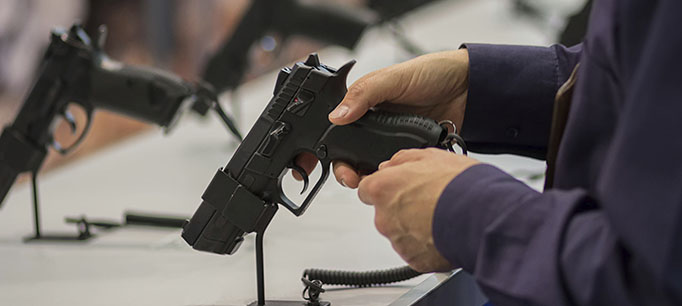
 Following the terrorist attack in San Bernardino, we checked in on Californians’ attitudes toward gun laws and found that a solid majority (62%) say the government does not do enough to regulate access to guns.


 Data from the
  Political differences among independents also show up in responses to survey questions about specific issues. On immigration, Republican-leaning independents line up with registered Republicans in saying that overall, immigrants are a burden to California (55% and 61%), while solid majorities of both Democratic-leaning independents and registered Democrats say immigrants are a benefit to the state (80% and 72%). Regarding the taxation of oil extraction in California, Democratic-leaning independents and registered Democrats are in favor (61% and 55%), while Republican-leaning independents and registered Republicans are opposed (70% and 60%). Finally, majorities of Democratic-leaning independents and registered Democrats would prefer to use state budget surpluses to restore funding for social services (52% and 56%), while majorities of Republican-leaning independents and registered Republicans would prefer to pay down debt and build up reserves (73% and 76%).
 In the wake of record-low turnout in both the primary and general elections in 2014, efforts to improve voter participation are under way. The senate is set to consider one reform—SB 450—that would require county election officials to mail ballots to every registered voter. Voters could return the ballots by mail or drop them off at vote centers that would be open during regular business hours for 28 days before elections.
  Attitudes about government matter as well. Those who say they have a great deal or a fair amount of interest in politics are much more likely than those with little or no interest to say they are very likely to vote (73% to 57%). And 69 percent of those who agree with the statement that voting gives “people like me some say in what government does” said they are very likely to vote. Among those who disagree with that statement, 60 percent said they are very likely to vote.