California’s Most Isolated Seniors

Seniors are especially vulnerable during the COVID-19 pandemic. First and foremost, of course, are health concerns. The latest data from the Centers for Disease Control and Prevention show that seniors are twenty times more likely to die of COVID-19 than are people younger than 65 (21 deaths per 100,000 compared to 1 death per 100,000 as of April 15). But seniors also face other significant challenges during this time of shelter-in-place, including social isolation. California’s efforts to support seniors through the pandemic can help counter these challenges.

Studies suggest that social isolation can lead to increased risk of mental and physical health conditions, including depression, cognitive decline, and elevated blood pressure.  Most immediately, isolated seniors might have an especially difficult time taking care of daily living tasks as they shelter at home.

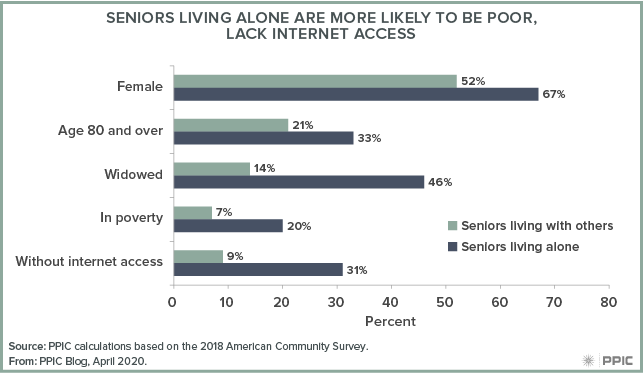
In California, 1.3 million seniors live alone (23% of 5.5 million seniors). They are disproportionately older, female, and widowed. Many have self-care limitations and a relatively large share live in poverty. Regionally, most live in the state’s large metropolitan areas, but many small rural areas of the state have very high shares of seniors living alone.

figure - Seniors Living Alone Are More Likely To Be Poor, Lack Internet Access

Of particular concern are those who do not have internet access. Among seniors who live alone, that’s 400,000 people. Another 40,000 have internet access but no smartphone, laptop, or tablet. They are perhaps the most socially isolated and vulnerable population in the state.

For these seniors, keeping up to date on the pandemic, ordering groceries and medicine from home, and connecting with others are all much more difficult. With libraries physically closed, a common access point to online services for many seniors is now unavailable, compounding the difficulty of overcoming social isolation.

Governor Newsom’s “Stay Home. Save Lives. Check In” campaign “urges all Californians to check in on vulnerable neighbors with a call, text or physically-distanced door knock” and is working with groups like AARP to reach out to older Californians. With many Californians now working from home, the time and opportunity to safely engage with older neighbors have never been greater—or the need more acute.

Coping with COVID-19 in California’s Cities

California’s cities have been at the forefront of bold actions to manage the coronavirus pandemic. We talked to Carolyn Coleman, executive director of the League of California Cities, about the big challenges that the pandemic is bringing to cities across the state.

PPIC: How are cities coping with this unprecedented crisis?
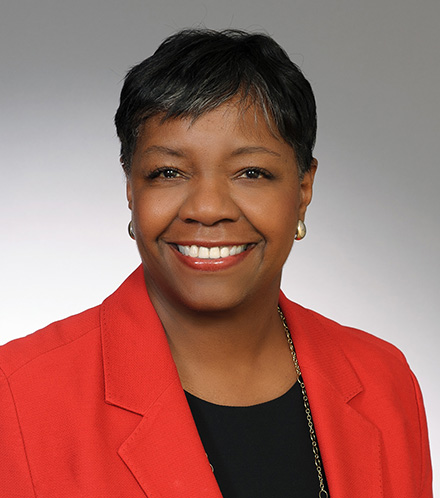
Photo of Carolyn ColemanCAROLYN COLEMAN: Local government leaders are some of the most pragmatic people I know. This comes from being on the front lines and hearing from your constituents everywhere you go—grocery stores, parks, and churches. Local officials are problem solvers, and they signed on to help their residents have a better quality of life. They have approached this crisis with the same dedication and commitment to serve that they brought to dealing with past crises, like the recent wildfires.

Across California, city leaders have stepped up with tools like eviction moratoriums and measures to prevent utility shutoffs or price gouging to protect their residents. Several are creating funds that will provide short-term financial assistance to help keep their small businesses afloat.

City officials are also working with public health entities, hospitals, schools and faith-based organizations to make sure medicines and meals are delivered to vulnerable populations.

Cities have also been very nimble in adapting government business to a virtual model. Council meetings, town halls, and public hearings have moved online with virtual tools that ensure public engagement. They are also using websites, social media, and new technology platforms to engage with their residents and make sure they have needed information.

Early orders by California cities to stay at home or restrict gatherings are being credited with flattening the curve. There was some pushback when these orders were announced, but they’re saving lives here in California, and that started with local government leaders who were out in front of the crisis.

The economic disruption this crisis is having on families, businesses and governments is devastating. While saving lives, stay-at-home orders have led to business closures, furloughs, and layoffs, as well as decreases in tax revenues that local governments use to fund essential services like police, fire, and code enforcement. At the same time, cities are experiencing increased expenses because of COVID-19. We’ll be working closely with federal and state partners to fill revenue gaps so we can continue to provide the services our communities need right now.

PPIC: Are there particular needs in rural communities?

CC: For years, we’ve known that access to high-quality broadband is not as widely available as it should be in our rural communities. With schools closed and some health services moving online, this crisis is a wake-up call to get more broadband deployed across the state.

Rural communities also tend to have smaller budgets with fewer resources to respond to economic disruption caused by this crisis. As they navigate the shortfall in revenues and increase in expenses, their need for fiscal assistance from the state and federal governments could be proportionately as large as our biggest cities.

The federal Coronavirus Aid, Relief, and Economic Security (CARES) Act targets cities with more than 500,000 residents. Most of California’s 482 cities are smaller than that, and yet they may end up with needs that are proportionally as large as those of big cities. That’s why the League will continue to advocate for fiscal assistance for all of our cities, to ensure that none are left behind—during either the pandemic or the financial recovery from it.

PPIC: Talk about the ongoing housing shortages and homelessness in the context of this emergency.

CC: I applaud the governor and local leaders who in recent weeks have partnered closely to safely house more Californians. Every day we hear about cities opening new emergency shelters, putting out more handwashing stations, passing out hand sanitizer in homeless encampments, and taking other steps to protect public health. The governor is sending more trailers to cities for emergency housing, and housing construction is continuing—it’s an essential service. Pandemic or not, we all know we have to increase housing production so more of our families have places to live.

We’re also seeing some new ways to streamline the housing production process, which could become mainstream once the health crisis is over.

PPIC: What gives you hope during these challenging times?

CC: I’m heartened by the public leadership we’re seeing. Local leaders, and leaders at all levels of government, are stepping up to save lives. And the selflessness that surfaces in times like these is a reminder that we’re all connected. People rise.

Remote Learning for English Learners and Special Needs Students during COVID-19

[vc_row][vc_column][vc_column_text]For California’s most vulnerable students, including 1.2 million English Learners (EL) and over 700,000 students with special educational needs, remote learning in the wake of COVID-19 presents particular challenges. As districts across the state roll out distance learning plans to minimize disruption to K–12 students, educators must find alternate ways to meet all student needs.

English Learners and special education students typically require more in-person support, such as occupational and speech therapy, in their daily learning than students in general. Educators are struggling to devise and implement plans to address these requirements remotely. Access to internet and devices is one area of concern, but so is providing intensive learning experiences that can stand in for in-person services.

Most EL and special education students live in large urban areas with access to broadband, and school districts in these counties, such as in the Bay Area and coastal counties in Southern California, may be able to partner with philanthropy and technology providers to supplement households currently without broadband access. Rural areas, however, may not have the same supports.

In counties where broadband access is low—that is, over 18% of households with school-age children lack it—and where the share of EL or students with disabilities is high (over 26%), online learning is a hurdle. This includes Colusa, Yolo, Napa, San Joaquin, Stanislaus, Merced, Madera, Monterey, Kern, and Imperial, which together account for over 220,000 students who have special education needs or are English Learners.[/vc_column_text][/vc_column][/vc_row][vc_row max_width=”80″ visibility=”visible-desktop”][vc_column][vc_column_text][infogram id=”1p1qw10yewvk2dfmxmvky16prlb6pw1mvrm?live”][/vc_column_text][/vc_column][/vc_row][vc_row max_width=”80″ visibility=”visible-tablet-landscape”][vc_column][vc_column_text]

[infogram id=”1p1qw10yewvk2dfmxmvky16prlb6pw1mvrm?live”]

[/vc_column_text][/vc_column][/vc_row][vc_row visibility=”visible-tablet-portrait”][vc_column][vc_column_text]

[infogram id=”1p1qw10yewvk2dfmxmvky16prlb6pw1mvrm?live”]

[/vc_column_text][/vc_column][/vc_row][vc_row visibility=”visible-phone”][vc_column][vc_column_text]

[infogram id=”1p1qw10yewvk2dfmxmvky16prlb6pw1mvrm?live”]

[/vc_column_text][/vc_column][/vc_row][vc_row][vc_column][vc_column_text]There are an additional 50,000 such students in counties where we cannot estimate the share of families without broadband, but where concentrations of EL or students with special needs are disproportionately high. In these rural counties—which include San Benito, Mono, Tulare, Modoc, and Yuba—educators must determine how to compensate for lack of internet while offering intensive, though not in-person, instruction.

And it isn’t just students tested by the move to online instruction. In a typical school year, only 67% of teachers received professional development in using computers for instruction. Most received less than eight hours of training.

To fill the gap, more districts are providing training on how to teach students remotely. Courses cover online tools such as Zoom, Google Classroom, Canvas, and Seesaw; how to monitor and assess student learning; and how to manage and cater to student needs in an online environment. The California Department of Education also provided resources and idea banks to help districts accommodate students with varying learning needs, with guidance on options for delivering individualized education.

California continues to provide funding to districts to implement distance learning, through the governor’s executive orders and recent legislation. While distance learning cannot replace in-person instruction and services, educators are exploring alternatives, from reading assignments over the telephone to moving speech and occupational therapy online. Districts are also discussing extending the school year as they work to provide effective and equitable learning to the state’s most vulnerable students.[/vc_column_text][/vc_column][/vc_row]

Online Medical Care during COVID-19

California policymakers have recently taken bold steps to ease the strain on the health care infrastructure during the COVID-19 global pandemic. California was the first to enact a statewide shelter-in-place order to reduce community transmission. It has also implemented measures to lower the rate of transmission in health care settings—including policies that encourage the use of telehealth, especially online doctor visits. To make online healthcare truly accessible, however, the state will need to address its digital divide.

The California Department of Managed Health Care has required that all health plans allow people to obtain health care via telehealth and reimburse telehealth consultations at the same rate as in-person visits, without increasing patient costs. This mandate covers Medi-Cal managed-care plans, which serve about 85% of the low-income Californians enrolled in the program. The California Department of Health Care Services had already given providers more flexibility in billing Medi-Cal for telehealth services in 2019; in late March, it further expanded the range of telehealth services that safety net providers can provide.

A recent survey found that a small percentage of Californians use telehealth services, and national estimates (based on Medicare and private health claims data) suggest that telehealth accounts for less than 0.25% of medical services provided. Policy barriers, such as restrictive requirements and privacy concerns, contribute to low usage. Recent state and local efforts to lower these barriers could help boost usage, but not all Californians will be able to access medical care through telehealth due to the state’s digital divide.

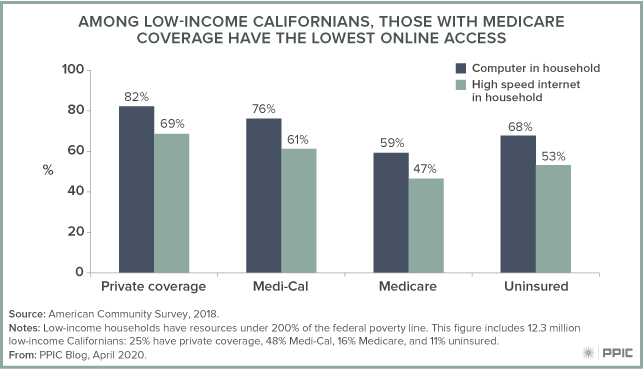
Among low-income Californians, those with private health insurance are most likely to have computers in their household (82%), while those covered by Medicare (mostly seniors over 65) least likely to have computers (59%)—indeed, these low-income Californians are less connected than those who are uninsured. About 75% of Californians covered by Medi-Cal have access to a computer at home and about 60% report that they have high-speed internet connectivity.

figure - Among Low-Income Californians, Those With Medicare Coverage Have the Lowest Online Access

Some of the policy responses to the COVID-19 crisis could narrow the state’s digital divide. For example, the governor recently announced a plan to distribute computers and provide high-speed internet access to support distance learning for California’s K–12 students while schools are closed. This could help many low-income families gain access to telehealth and other online resources. However, one-third of low-income households do not include school-aged children.

As the public health crisis continues to unfold, it will be important to assess trends in telehealth use and to understand and address disparities. Currently, the state has limited resources for this type of analysis, but the comprehensive health payment database that is currently being developed could help policymakers examine these and other issues.

COVID-19 Will Make California Elections Challenging but Doable

California’s November 3 general election could come in the midst of a new viral surge. This poses tremendous risks to voters and poll workers at in-person voting sites. Even if we wanted to have the same number of polling places, it might be difficult to find volunteers willing to staff them.

The good news is that the transition to a safer approach, while challenging, is more manageable in California than in most states.

One option is off the table: postponing the fall election. Many states have postponed their primaries, but postponing a general election would require congressional approval and would run up against deadlines hardwired into the U.S. Constitution.

Instead, we must get as many voters to cast ballots by mail as possible. In most states, such a switch would be complicated, but California has long been friendly to vote by mail (VBM). California’s VBM rate is very high and growing. Almost two-thirds of ballots in the 2018 general election were either mailed in or dropped off at a polling place.

Fourteen counties have rapidly increased their VBM capacity already by sending every registered voter a VBM ballot by default. They have also replaced polling places with a smaller number of “vote centers” that are open to any voter in the county and for early voting before Election Day. Almost a quarter of registered voters are now covered by this system, up from 7% in the fall of 2018.

Five of these 14 counties switched to this new model in 2018 and saw the share of ballots cast by mail increase an average of 20% from the 2016 general election. Preliminary evidence also suggests the reform slightly increased turnout without negatively impacting underrepresented groups like Latinos, Asian Americans, and young people.

COVID-19 will move elections across the state closer to this model. Governor Newsom has mandated something like this for the special elections coming in April and May. Though this is a realistic path forward, it is not without obstacles. Preparation time is short. And the risk of infection will alter the siting and staffing of in-person options, even in experienced counties.

Furthermore, initial positive experiences in vote center counties may not translate to the rest of the state. A chaotic transition could create unforeseen problems that prompt some to throw up their hands and not vote at all. Young people and voters of color are more likely to use in-person voting, so great care must be taken to ensure they receive news of the change, trust that the change is being done fairly, and have options besides VBM if they want them.

Fortunately, California is well positioned here, too. Organizations like the Future of California Elections have helped make the state a national model for robust communication between election administrators and stakeholders.

The task is daunting, but we have little choice. Our best hope for a safe and fair election is to expand vote from home options as much as possible. The question is not whether to do it, but to recognize the challenges and work to mitigate them as much as possible.

Challenging Times for California

This is a time of global crisis. We are all living through a fast-moving, large-scale disaster that is having extraordinary public health and economic consequences. Here in California, public leaders and private industries took early action to mitigate the effects of COVID-19, putting policies in place to flatten the curve sooner than any other state. And while the full extent of the pandemic has yet to be realized, Californians should feel proud of our state’s ability to assess and respond rapidly to counteract this generational challenge.

The pandemic is touching every aspect of life today. Students, agricultural workers, health care practitioners—all Californians are struggling to adjust to enormous changes in their responsibilities and daily routines. At PPIC, we are thinking about the effects on our state’s most vulnerable populations: seniors living in areas with sparse medical care, children receiving free or reduced price lunches, essential workers struggling to stay above the poverty line.

We are also deeply concerned with what lies ahead. How will our economy—just recently in the longest growth cycle ever recorded—respond in the long term? How can the state improve opportunities for those hardest hit by this crisis? What can we observe, measure, and propose that will help California to rebuild itself efficiently, effectively, and equitably?

PPIC will be delving into these questions as this crisis plays out. For now, in these fluid and rapidly changing times, we are focused on bringing critical facts and information to the table—assessing the state’s economy, people, communities, and environment. Our blog series on COVID-19 provides wide-ranging analyses across key policy areas, from education to health care, from criminal justice to water policy. And the PPIC Statewide Survey will be offering perspectives on the pandemic and the economy from Californians across the state.

For 25 years, PPIC has worked hard to inform and improve public policy in California. 2020 may be one of our most challenging years yet, but we are ready and able to meet that challenge.

For PPIC’s full series on the coronavirus and California, visit our COVID-19 page.

Counting Californians and Holding Elections in a Pandemic

Today is Census Day, the day to count everyone living in the country in 2020. It’s not the deadline for responses—you have until August 14 to complete your census form—just the “anchor day” for counting those living in your household. We talked to California Secretary of State Alex Padilla about the challenges the COVID-19 pandemic brings to counting Californians—and for holding elections in November.

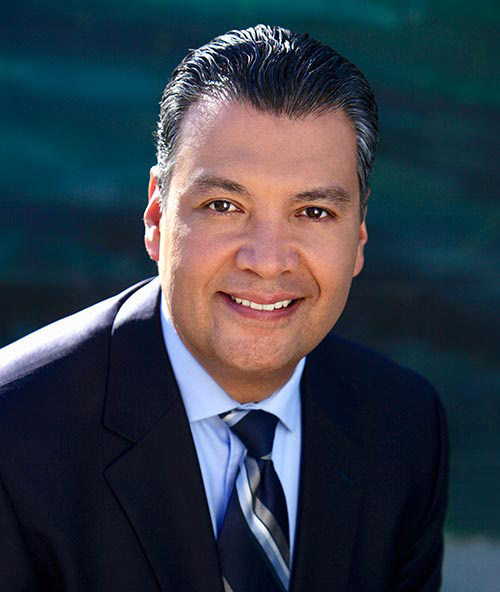
Photo - Alex PadillaPPIC: What challenges does the pandemic bring to conducting the census?

ALEX PADILLA: Ensuring a fair and accurate count is tough under normal circumstances, and it’s made more challenging by this global health pandemic. A lot of the state and local strategies for engaging the public on the census have had to be modified or replaced with ones that are more effective when people are staying at home. The good news is, this is the first time it’s been possible to do the census online, as well as by phone or paper. We’re seeing people get more creative at staying in touch while keeping their distance, whether through video chats with their coworkers or using teleconferencing to stay in touch with family and friends. We can also use these methods to remind everyone to do the census.

It’s really important to remember that participation in the census is how we ensure our communities receive their fair share of federal dollars for critical needs such as public health, education, public safety, housing, and infrastructure. This message is really striking a chord right now.

PPIC: As they shelter in place, what can Californians do to help ensure an accurate census count?

AP: Every Californian should participate in the census, but also remind people they’re in touch with to do so. Assuring a complete and fair count depends on everyone doing the census. It’s not just a count of adults or voters or citizens; it’s for everybody living here.

California has an especially high number of hard-to-count populations—for example, communities of color, young people, and immigrant families and communities. More than 70% of Californians fit into a hard-to-count category. It already takes extra effort to ensure participation by these groups. The pandemic is not making the job any easier—at a time when the job is more important than ever for ensuring the state gets its share of federal funding for critical needs over the next decade.

Based on the prior census 10 years ago, California’s most undercounted population were kids under five years old. My youngest just turned five, and especially now with all the kids at home, it’s hard to imagine forgetting to include him as he’s the loudest member of our household! Today, kids who weren’t counted in 2010 are now teens who’ve been in school for years, but their schools haven’t been getting their full share of federal education dollars. It’s a very tangible way to think about it, and it shows the importance of the census for our quality of life.

There are many options for participating in the census. Go online or call in today. Once you’ve submitted your information, help us by spreading the word with neighbors you’re checking in on and friends and family.

PPIC: Talk about the administration of the upcoming election.

AP: To put it in context, we should recognize that throughout the nation’s history, Americans have gone to the polls—in times of war, during the Great Depression, and even during the deadly 1918 flu pandemic. So it’s not a matter of if or when we’ll hold the election. We have a date: it’s Tuesday, November 3. It’s a matter of how we hold the election in a way that is accessible, secure, and healthy for everyone—voters, elections personnel, poll workers. Many things California has championed to get more people voting really make a lot of sense in an era of public distancing. You can register to vote online. Voting by mail and in-person early voting are good ways to avoid crowds. We’re diligently working on expanding those opportunities.

Essential Workers and COVID-19

California is grappling with the dual threats of a public health crisis caused by the coronavirus and the additional economic fallout of necessary social distancing measures.  In the past week, we have seen unemployment claims skyrocket and policymakers forge supports for workers and businesses.

Meanwhile, there is a workforce that is tackling the public health crisis, keeping the economy going, and supporting Californians who are sheltering in place. While this essential workforce supports the state’s health and basic economic needs, many of these workers are not well equipped to weather the economic challenges of the COVID-19 crisis.

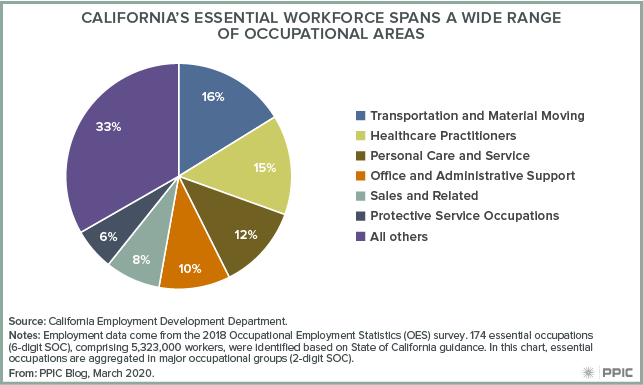
We estimate that in a typical year, roughly one-third to one-half of California’s labor force is employed in essential occupations. Essential workers fulfill a wide variety of roles in our economy, including in health care services, energy provision, food service, agriculture, and transportation. Some workers in these areas may be seeing layoffs and hours reductions depending on their industry, firm, or region.

figure - California’s Essential Workforce Spans a Wide Range of Occupational Areas

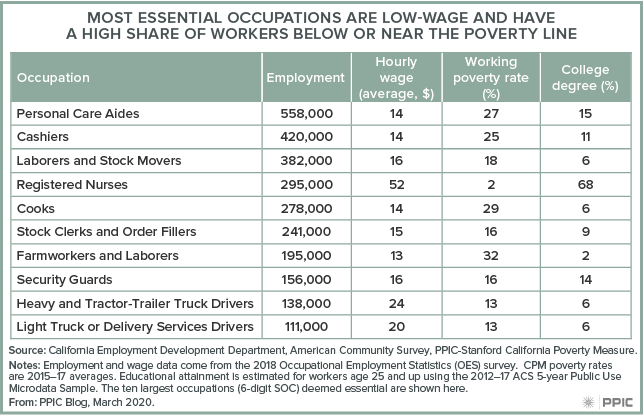
Some essential jobs are obvious, as they are on the front lines of the public health crisis. For example, registered nurses (the largest occupation within the healthcare practitioner category) are essential, have two- or four-year degrees (68% have a college degree, according to our analysis of American Community Survey data), and earn relatively high wages ($52.32 an hour).

However, workers outside of the health care sector are also on the front lines. Personal care aides—those who assist the elderly and others in their homes or personal care facilities—are the single largest essential job category. These workers earn $13.50 an hour on average and 85% do not have a college degree.

Differences in skills and pay translate into notable differences in economic well-being for these workers and their families. A slightly higher share of essential workers than non-essential workers are poor or nearly poor, according to the California Poverty Measure: 14% of essential workers live in poor families compared to 11% of non-essential workers (the comparable estimates for near poverty are 19% and 14%, respectively).

figure - Most Essential Occupations Are Low-Wage and Have a High Share of Workers Below or Near the Poverty Line

Grocery store cashiers, store clerks, farmworkers, and delivery and truck drivers make up sizeable shares of the essential workforce.  Given the low hourly wage rates for these workers, some may face hardships in caring for children or family members with schools and care facilities shuttered.

In addition, many essential workers experience the cost and risk of maintaining their own health while interacting with the public. In low wage essential jobs, access to health benefits and paid sick leave is limited, even in normal times. During the COVID-19 crisis, expanding access to personal protective gear could reduce the health risks among workers whose job requires some level of contact with the public.

Mandated lockdowns are now slated to continue through at least May 1 in some parts of the state and  may last even longer. Ensuring the ability of essential workers to continue their jobs safely and effectively will be crucial over the coming months. As policymakers implement support for unemployed Californians, it is important that they also consider ways to assist and protect the many essential workers on the front lines. Paid sick leave, adequate health coverage, income support, access to child care, and sufficient personal protective gear should all be part of the policy discussion.

COVID-19 Shutdown Forces Colleges to Ramp up Online Learning

[vc_row][vc_column][vc_column_text]California colleges are moving classes online in response to the COVID-19 pandemic, which means most students at most colleges will take classes remotely. For example, the entire University of California and California State University systems have moved almost all undergraduate education to online settings. Such a dramatic change is necessary for public health, but may interfere with student access and success.

California’s community colleges can offer others a lesson in effective practices for distance education. These schools have been at the forefront of remote learning for more than four decades, from correspondence courses in the early days to instructional television and video cassettes in the 1980s. In the early 2000s, community colleges began to offer internet-based online courses.

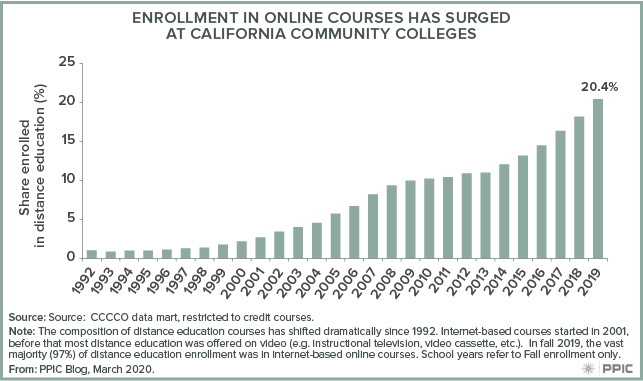
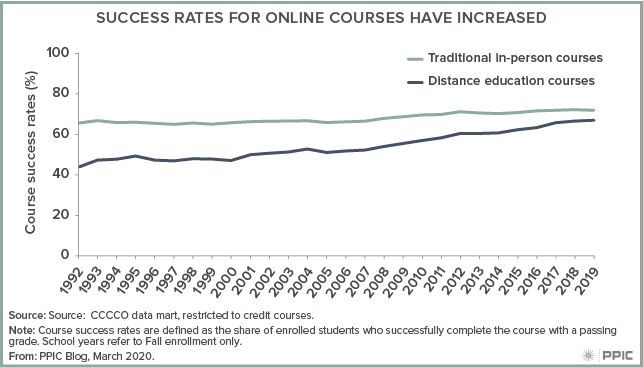
The availability and popularity of distance courses have exploded with the internet, as have course success rates. The share of enrolled students completing and passing a course has skyrocketed, narrowing the gap in success between online and in-person courses substantially.

figure - Enrollment in Online Course Has Surged at California Community Colleges

figure - Success Rates for Online Courses Have Increased

Policies around closing the success gap were intentional, with the Community College Chancellor’s Office leading efforts to improve online courses through the Online Education Initiative and the California Virtual Campus. Resources available to administrators and faculty include modules on effective course design, remote tutoring, student services, and even proctoring of exams.

Effective practices involve more than moving a face-to-face course online. Success means providing faculty support and training, setting appropriate student expectations, and promoting interaction among faculty, students, and course materials.

Better software has also cleared paths to and shifted the debate around online pedagogy. Instead of discussing how to replicate face-to-face learning, educators are examining the advantages of online learning over the traditional model. By identifying student needs, personalizing learning, and giving instant feedback, teachers may have more avenues to eliminate the online performance gap.

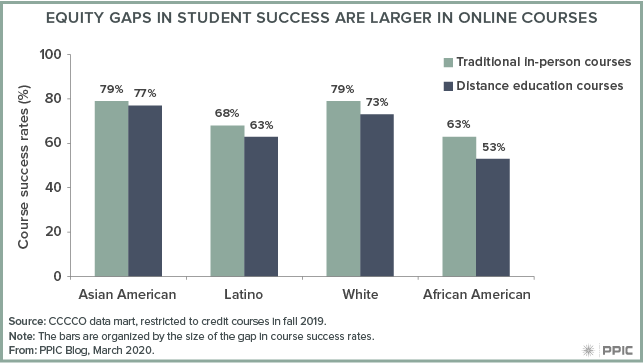
Still, problems remain. Students with limited technology, such as those without access to broadband, may not be able to access online courses. In community colleges, Latinos are less likely to enroll in online courses than other groups, which may reflect the digital divide. And while course success rates have improved across the board, equity gaps remain large.

figure - Equity Gaps in Student Success Are Larger in Online Courses

The COVID-19 crisis is unprecedented, and California’s colleges deserve credit for quickly moving courses and student supports to online platforms. Clear and effective communication with students remains key. More than ever colleges must also identify and reach out to vulnerable students—low income, food insecure, and homeless—who face challenges transitioning online and need extra support.[/vc_column_text][/vc_column][/vc_row]

Severe COVID-19 Infections May Threaten California’s Prisons

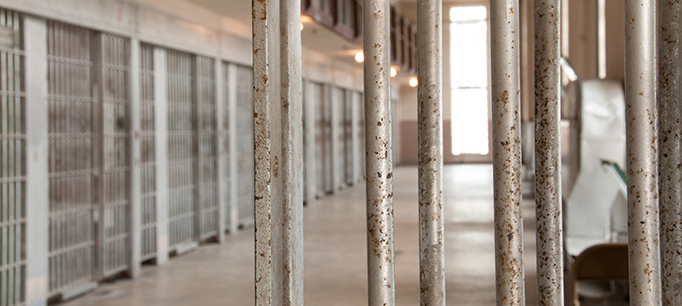
An inmate in the California prison system has tested positive for COVID-19, as have several corrections officers. California invests more than any other state in prisoners’ health, due to ongoing federal oversight mandating that the California Department of Corrections and Rehabilitation (CDCR) provide adequate health care. But overcrowded conditions where social distancing is improbable could intensify COVID-19 outbreaks in California’s prisons.

To limit the spread of COVID-19 between local communities and prisons, Governor Newsom has issued an executive order halting prison admissions and transfers to community-based reentry programs. Inmates who fall ill are being isolated, and those who work in prisons, including corrections officers and health professionals, are being screened before entering. Similar efforts to contain outbreaks are not unusual in CDCR. However, they usually apply to one prison, rather than to the entire system.

Overcrowding may exacerbate the potential for COVID-19 to spread rapidly though prison systems, threatening prisoners, corrections officers, and prison health professionals alike. According to the Bureau of Justice Statistics, about half of the country’s prison systems operate at or above capacity. In California, a court order mandates that the prison population remain under 137.5 percent of capacity. Currently, the prison population stands at just under 123,000, and the prisons are at 134 percent of capacity.

Prison environments also limit inmates’ and prison workers’ ability to practice social distancing. Dormitories present special challenges. The inmates who live in them and the correctional officers who supervise them must safely navigate open space in concert with each other. However, the cells in which most prisoners are housed present social distancing challenges of their own. While some inmates live alone, most have a cellmate. In some prisons, cell sizes fall short of the standard 25 to 35 square feet of space per person. Cellmates also typically sleep in bunk beds, which do not have six feet between the top and bottom bunks.

In addition, California’s prisoners may be particularly susceptible to COVID-19 because they are older or have preexisting medical conditions. In 2018, more than 30,000 inmates (24%) were over age 50, and over 5,000 (4%) were over 65. Prison populations tend to be far less healthy than the general public—9% of California’s inmates were classified as high clinical risk in 2012, meaning they had serious medical conditions that required significant resources to manage.

During COVID-19 infections, even mild or moderate chronic health problems that would usually be manageable could lead to serious complications. Illnesses that compromise the immune system or weaken the lungs can increase the risk of poor outcomes associated with COVID-19. According to California Correctional Health Care Services, more than 10,000 inmates were treated for hepatitis C in 2018. Approximately 8,000 of California’s inmates are diabetic. Twelve percent of male and one in five female inmates used medication to treat asthma in 2010—about double the rate among Californians. In 2015, 0.8 percent of California’s inmates were HIV positive—also more than double the rate among Californians. The heightened vulnerability of California’s prisoners to serious COVID-19 infections also puts the corrections officers who work alongside them and the health professionals who care for them at elevated risk for contracting the illness.

While older people are at greatest risk of severe outcomes related to COVID-19, younger people, particularly those with preexisting conditions, are also vulnerable to severe outcomes. If an outbreak happens within the prison system, many CDCR workers and inmates—young and old—may be at higher risk of experiencing serious complications as living conditions, age, and preexisting medical conditions combine to amplify the threat from COVID-19.