More Students Than Ever Ready for UC and CSU

Governor Newsom’s budget proposal assumes enrollment growth at the University of California (UC) and California State University (CSU). But these two systems are seeking to expand even more to accommodate increasing demand, as more California students than ever graduate high school prepared for college.

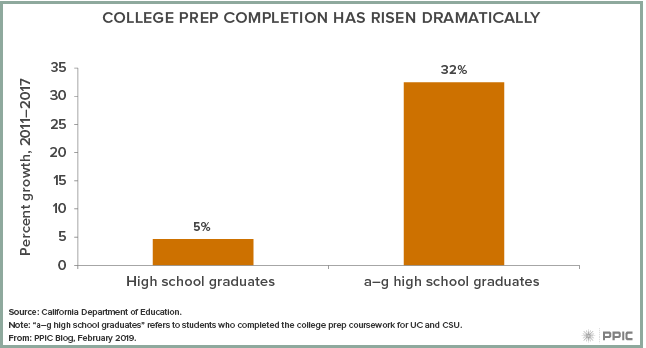
Between 2011 and 2017, the state saw a dramatic increase of more than 49,000 students (a 32% increase) completing college prep coursework, despite there being only 19,000 more high school graduates (a 5% increase).

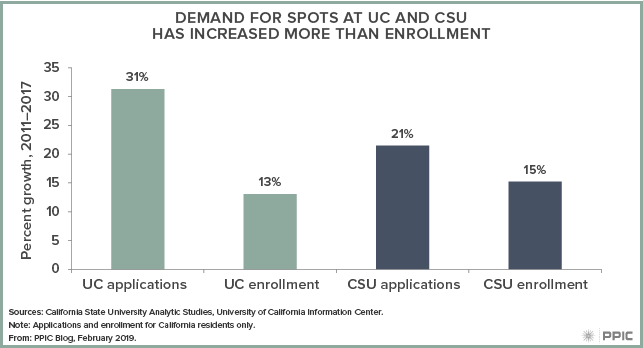
Applications to UC and CSU have grown substantially as well. Since 2011, UC applications from California high school graduates are up 31%, and applications to CSU are up 21%.

UC and CSU have been able to accommodate some of that increased demand, but not all of it. Since 2011, UC and CSU enrollment has grown much faster, at 13% and 15%, respectively, than the increase in all high school graduates. But enrollment growth was much smaller than the increase in applications and the number of high school graduates completing college prep courses.

Allowing more students who are academically prepared to start at a four-year college is a good policy choice. Studies show that students who start at a four-year college are more likely to graduate than if they start at a community college. And attending a public school in California leaves students in less debt on average than attending a private college or paying nonresident tuition in other states. Policymakers and institutional leaders will need to think strategically about how to accommodate the growing number of high school graduates who are now prepared for UC and CSU.

Many of California’s Highly Educated Workers Are Retiring

As California’s population ages, record numbers of people are now going into retirement. Because so many of these recent retirees are highly educated, this trend has important implications for workforce needs in the state. Replacing these highly educated retirees will require large increases in college enrollment and completion among young Californians.

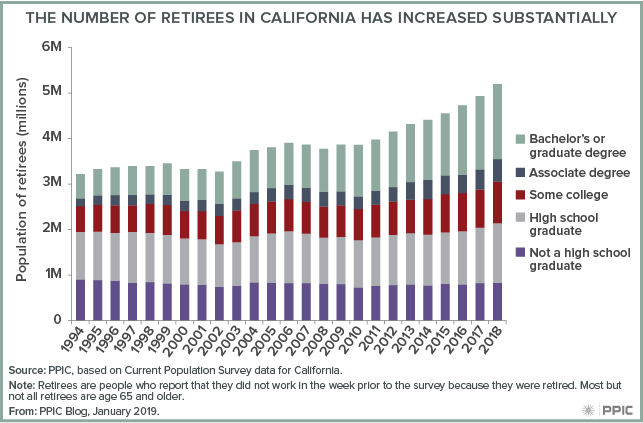
The number of retirees in California has grown dramatically over the past 10 years. Their total numbers grew from 3.8 million in 2008 to 5.2 million in 2018, a 38% increase—far higher than the state’s overall population growth of 8% during this same period. This rapid growth in retirees is a consequence of the aging baby boom, the very large cohort of people born between 1946 and 1964. During that post-war era, new social norms meant that the typical family had three or four children. The leading edge of the baby boom reached age 65 in 2011. Because the tail end of the baby boom is larger than the leading edge (in California, the birth rate peaked in 1957 and the number of births peaked in 1961), the number of retirees will continue to grow strongly for the next decade. The tail end of the baby boom will reach age 65 in 2029.

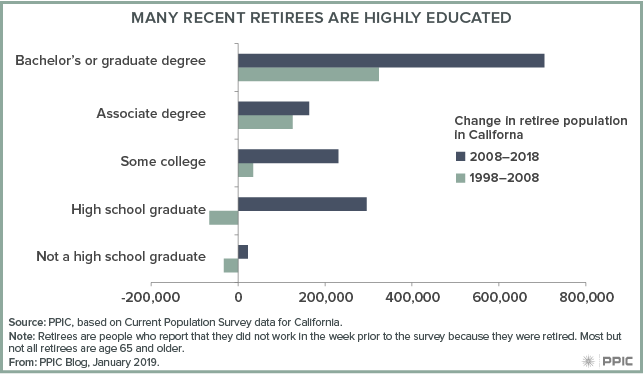
Children born during the baby boom ended up far better educated than their parents. Policies such as the GI Bill, along with public investments in California’s public higher education system, allowed for relatively inexpensive, widespread access to college. Today, the number of retirees with a bachelor’s or graduate degree is larger than ever. Between 2008 and 2018, this group increased by more than 700,000 and made up a majority of the net increase in the retiree population.

The retirement of so many highly educated workers is unprecedented and poses a tremendous challenge for California. Every year, the number of new retirees with a bachelor’s degree (more than 70,000 per year in the last decade) exceeds the number of bachelor’s degrees awarded by the entire University of California system (55,000 in academic year 2017–18). Without producing more college graduates, California could see a shortfall of 1.1 million highly educated workers by 2030.

The good news is that the state and its higher education institutions are making progress by increasing enrollment, graduation rates, and degrees awarded. These advances have been made possible at least partly because of renewed funding from the state. With the additional funding for higher education in the governor’s proposed budget, California’s higher education system will be better positioned to take on the workforce challenges posed by the retirement of the baby boom.

One Step Closer to a Statewide Educational Data System

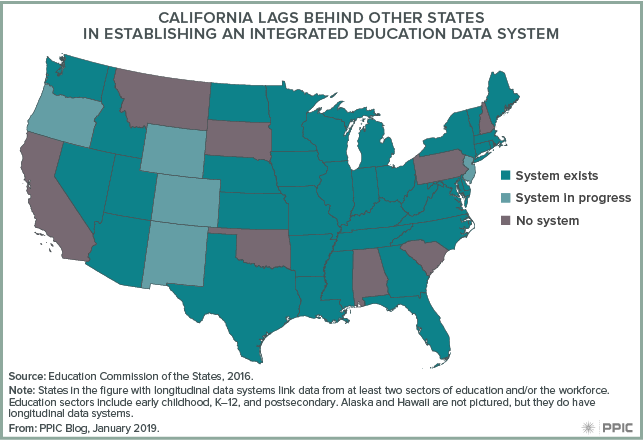
Governor Newsom’s recently proposed budget includes $10 million in one-time funding for the planning, creation, and implementation of a statewide longitudinal data system—including early childhood education, K–12, higher education, the workforce, and health and human services. As we wrote in a recent PPIC report, this idea holds a lot of promise. An integrated data system could allow for improved feedback for educational institutions, more efficient use of public funds, and better evaluation and coordination for the state. The idea also has support in the state senate, where Senators Glazer and Allen proposed a similar system (SB 2) last December.

Each public education system—K–12, the community colleges, California State University, and the University of California—already recognizes the importance of data. They all collect, store, and analyze data on students within their respective systems to improve instruction and outcomes. However, few connections are ever made between educational sectors. Even though a high school senior may graduate from a K–12 school, attend a community college, and then transfer to a UC, data isn’t shared across those systems in any systematic way. So each system has no idea if students are successful in the next stage of their academic career. California is one of the few states that does not follow students across sectors.

The governor’s budget summary also suggests that the data system could be used to improve K–12 measures of career and college readiness. Current measures are based on high school test scores and high school course-taking. But connecting K–12 data to higher education and employment data could lead to more meaningful measures of whether students are able to take and succeed in college-level courses, or whether they work in a job with a living wage.

With the Newsom administration’s support, California may be closer than ever to establishing a data system that can answer key questions about how students move along the educational pipeline. Creation and implementation will involve security, privacy, and governance challenges, but California has 42 other states that can serve as models. This is a much-needed first step in helping the state develop effective policy solutions that will improve students’ progress through school and into the workforce.

Californians’ Priorities for Their New Leaders

California enters 2019 with Democratic super-majorities in both chambers of the state legislature and a Democratic governor replacing another for the first time in more than a century. What do Californians want state leaders to prioritize? Although the state is projected to have a budget surplus of $21 billion, many are pessimistic about the state’s short- and long-term economic prospects. These economic concerns are possibly linked to Californians’ policy and spending preferences, and they are likely to inform their attitudes toward the governor’s recently released budget proposal for the next fiscal year.

According to the December 2018 PPIC Statewide Survey, fewer than half of Californians (46%) say the state will have good times financially in the next 12 months. The share of adults holding this view hasn’t been this low since October 2014 (45%).

About one in three (32%) also say California will be a worse place to live in 2025, and 50 percent think children growing up in the state today will be worse off financially than their parents.

When asked what the state government’s most important priority should be in planning for California’s future, 39% of residents say it should be improving jobs and the economy. In the shorter term, what issues should state leaders prioritize in the coming year? Findings from the December survey offer some possible answers.

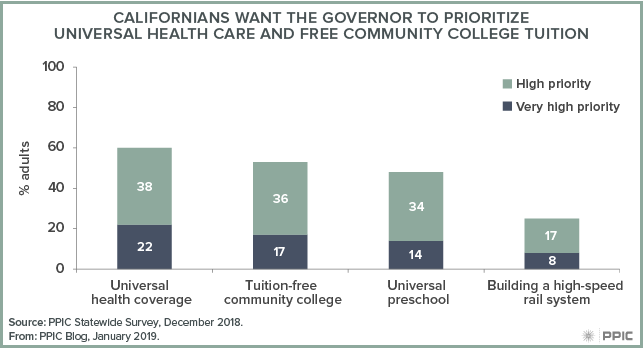
When asked what they would prefer to do with a projected budget surplus, a majority of Californians (57%) say they’d like to increase state funding for education and health and human services. When asked about several potential policies—most of which Governor Newsom highlighted during his campaign—majorities of adults say universal health coverage (60%) and tuition-free community college (53%) should be top priorities for new state funding. Fewer than half (48%) say the same about universal preschool, and one in four (25%) want to prioritize high-speed rail.

These findings underscore Californians’ preferences for programs that can help reduce economic uncertainty. They also indicate that Californians’ priorities are aligned with Governor Newsom’s budget proposal for the next fiscal year. The governor’s budget includes funding for an expansion of Medi-Cal coverage to young adults regardless of immigration status, a second tuition-free year at community college, and steps toward universal preschool for income-eligible four-year old children.

Over the next five months, as the governor and state lawmakers work toward a final budget, Californians will have the opportunity to voice their opinions. Stay tuned to the PPIC Statewide Survey as we track Californians’ attitudes toward new leaders and key policy issues.

Making Career Education Affordable in California

Secretary of Education Betsy DeVos recently announced plans to eliminate rules put in place during the Obama administration that require career-education colleges to show that the credentials they award lead to gainful employment. In California, these rules have helped shift enrollment from expensive for-profit institutions to public community colleges, which offer career education programs at much lower cost. Indeed, California’s community college system is one of the most affordable higher education institutions in the country.

Many are concerned that eliminating gainful employment rules will lead to a loss of accountability and even a resurgence of enrollment in for-profit colleges. Some of those colleges have engaged in predatory recruiting practices, and many have high dropout rates and exorbitant student debt. In California, there are also concerns about a reversal of recent gains in affordable access to higher education—particularly among groups that have historically been underserved.

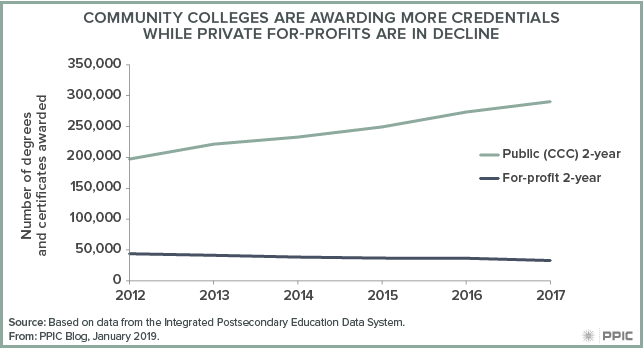
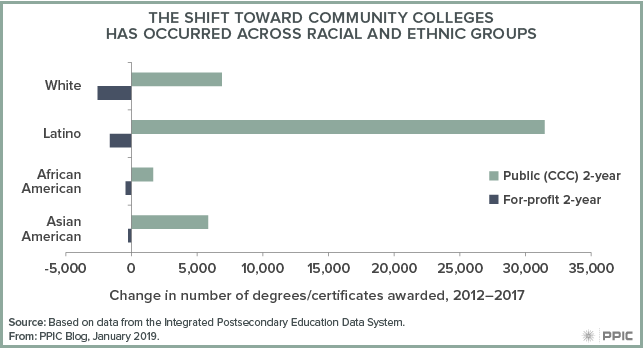
Partly because of the information provided by the gainful employment rules, career education students in California have been increasingly seeking degrees and certificates at the state’s large public community college system rather than at for-profit colleges. Between 2012 and 2017, the number of associate degrees and certificates conferred by for-profit institutions dropped by 25%. In comparison, the state’s community colleges saw an increase of 47%; in 2017, the number of degrees and certificates they awarded was more than eight times the number awarded by for-profit colleges.

Many for-profit institutions have targeted workers looking to get into in-demand fields such as health or family and consumer sciences. These for-profits have marketed options that lead to credentials—known as short-term certificates—that can be earned in less than one year. In 2012, private for-profit colleges awarded almost 21,000 short-term certificates compared to 38,000 awarded at the community colleges. But by 2017 the number of short-term certificates awarded had declined to fewer than 7,000 at for-profit colleges and risen to more than 55,000 at the community colleges. Many of the students who have shifted to the community colleges in recent years are from historically underserved backgrounds (e.g., African American, Latino, older, and low-income students). These students now have opportunities for career education without the hefty price tag attached to programs at for-profit colleges.

The elimination of federal gainful employment rules could have a negative impact on affordable access to career education. However, efforts by California’s community colleges to attract students who might be drawn to for-profit institutions will continue. So too will state rules that make institutions with low graduation rates and high loan default rates ineligible for Cal Grants. These state-level initiatives might not be able to prevent a resurgence of exploitative for-profits, but they could make a difference for many Californians.

Video: Californians and Their Government

As Governor-Elect Gavin Newsom prepares for his first term, half of Californians think he should take a different policy direction than Governor Brown. Four in ten approve of Newsom’s plans and priorities—while three in ten don’t yet know enough to have an opinion. These and other key findings of the latest PPIC Statewide Survey were outlined by Dean Bonner at a Sacramento briefing last week.

The survey asked Californians about four major policy areas that were highlighted in the governor’s campaign. Most see universal health coverage and free community college as top priorities, while fewer see universal preschool as a high or very high priority and only one in four prioritize high-speed rail.

The survey also asked how the state should use the projected surplus in the next budget year. A majority of Californians say they would prefer to use the surplus to increase funding for education and health and human services. Far fewer prefer to use it to pay down debt and build up a reserve or to spend on one-time funding for transportation, water, and infrastructure.

When asked to identify the state government’s highest priority in planning for the future, 39% name improving jobs and the economy, 20% say protecting the environment, and 15% say updating water and transportation infrastructure. Improving jobs and the economy is the highest priority across all parties and demographic groups.

Other survey highlights:

  • Two-thirds of Californians say the state is divided into two economic groups: the “haves” and the “have nots.” Four in ten characterize themselves as haves and 45% say they are have nots.
  • While more than half of Californians think the state is generally headed in the right direction, only about a third are satisfied with the way things are going in the nation. Half have no confidence that President Trump will make the right decisions for the country’s future.
  • Only two in ten likely voters approve of Congress; more than half see the shift in control of the US House from the Republicans to the Democrats as a good thing.
  • Two-thirds of state residents continue to see immigrants as a benefit, and there is still bipartisan support for allowing undocumented immigrants to stay in the US legally if certain requirements are met.

Video: Higher Education as a Driver of Economic Mobility

Higher education plays a key role in helping Californians move up the income ladder—but equity gaps are a big challenge. Among young adults born in California, 60% of Asian Americans and 40% of whites have at least a bachelor’s degree, compared to 21% of African Americans and 18% of Latinos. At a Sacramento briefing yesterday, PPIC researcher Sarah Bohn outlined these and other key findings of a new report.

Bohn noted that “higher education is correlated with a host of benefits in today’s society.” Workers with at least a bachelor’s degree earn 73% more than high school graduates. While earnings levels are affected by many factors—including the subject area of a college major, geographic location, and the field of employment—Bohn stressed that “the higher the level of education you have, the greater the economic return that you experience.”

California has historically enjoyed strong economic and education gains. However, while the economy is currently booming, recent trends in educational attainment are not as encouraging. Young adults in California today are only slightly more likely to have graduated from college than older adults. Moreover, graduation rates are lower for low-income residents and underrepresented race/ethnic groups.

These equity gaps are especially troubling because low-income, Latino, and African American students—as well as students who would be the first generation in their families to attend college—make up the vast majority of California’s high school population. The community colleges, UC, and CSU have undertaken serious efforts to narrow these gaps—but, as Bohn noted, all educational sectors, including K–12 schools and private institutions, play an important role.

California’s higher education systems have been implementing policies and programs that are likely to increase college graduation rates among the state’s diverse population. Bohn concluded by highlighting the progress that has been made and outlining additional actions that can help more Californians—particularly underrepresented students—benefit from higher education.

Video: Modernizing California’s Education Data System

California has invested billions of dollars in public education reforms over the past decade, and student outcomes have improved in many areas. But the state can’t answer key questions about student progress because it doesn’t have comprehensive data on important transitions. For example, it can’t easily track student movement between high school and college or from college into the workforce. With new state leadership about to take over in Sacramento, the time may be right for an integrated data system that can help policymakers, educators, and students monitor educational progress and outcomes.

Last week in Sacramento, PPIC researcher Jacob Jackson outlined a new report on the need for such a system and Hans Johnson, director of the PPIC Higher Education Center, moderated a panel discussion about the benefits and challenges of creating one.

As Jackson pointed out, most other states already have integrated education data systems. Colleen Moore, assistant director of the Education Insights Center, added that California “already has four pretty good longitudinal data systems—it’s just that they’re within each of the four education segments and they’re not connected.” As a result, student demographics, coursework, grades, and degrees or certificates can be tracked within each segment but not across segments.

Natasha Collins, principle consultant on education for the Assembly Appropriations Committee, noted that it would not be technically difficult to create a repository that links data and follows student movement through the K–12 system and the three postsecondary systems. “It might make sense to move forward with those core components and then potentially add on other agencies—even things like corrections, or the Department of Rehabilitation—so we can really see student outcomes.” She added, “We could also have information on employment and earnings outcomes at least for students who go to college at some point.”

So why doesn’t California have one? Collins noted that the legislature has considered several bills that would set up a system and recently held a hearing on the topic. Moreover, technical plans to link data across the higher education systems have been drawn up in the past. The panelists agreed that the main barriers are not technical—they are political and logistical.

Lande Ajose, executive director of California Competes, stressed the need for an entity to oversee data collection and access: “The state needs an independent body that would be responsible for collecting, cleaning, analyzing data, and making sure it’s accessible to many other parties.” One stumbling block to creating such a body is determining its scope—should it be simply a secure data repository, or should it have the authority to coordinate segments and/or monitor their accountability?

Laura Metune, vice chancellor for external relations at the California Community Colleges Chancellor’s Office, highlighted another barrier: “One of the challenges has been direction and resources from the state level.” She noted that higher education systems have worked together on data sharing, and her own office shares a lot of data with researchers and the public. But, she added, information sharing requires resources, and “we have a really small staff.”

Ultimately, the panelists put the ball in Governor-Elect Newsom’s court. As Ajose put it, “I really do think that this issue of a data system requires gubernatorial leadership, that the governor has the unique ability to set the stage around what is important within higher education.”

‘Tis the Season for College Applications

Across the nation, millions of high school seniors are in the process of completing college applications. Friday is the deadline to submit applications for freshmen admission to the fall 2019 term to California’s public universities (the University of California and the California State University); most private colleges have January deadlines. The number of applications this year should be staggering—in California most of all. But the state is having difficulty keeping up with demand.

Recent years have seen all-time records in freshman applications. In fall 2016 (the year of most recent nationwide data), more than 10 million applications went to more than 1,500 four-year colleges and universities, leading to 5.7 million admittances and 1.5 million enrolled freshmen. Ten years earlier, just over 6 million applications were submitted, leading to 3.6 million admittances and 1.3 million enrolled freshmen.

Significant growth has occurred in California, too. In fall 2016, 1.5 million applications went to 110 four-year colleges and universities, leading to more than 600,000 admittances and 139,000 enrolled freshmen. Ten years earlier in the state, 800,000 applications were submitted, leading to slightly more than 400,000 admittances and 104,000 enrolled freshmen.

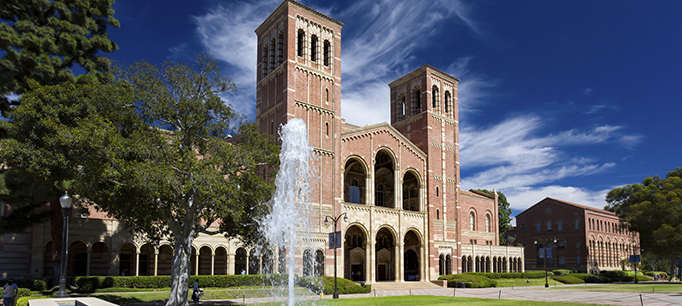
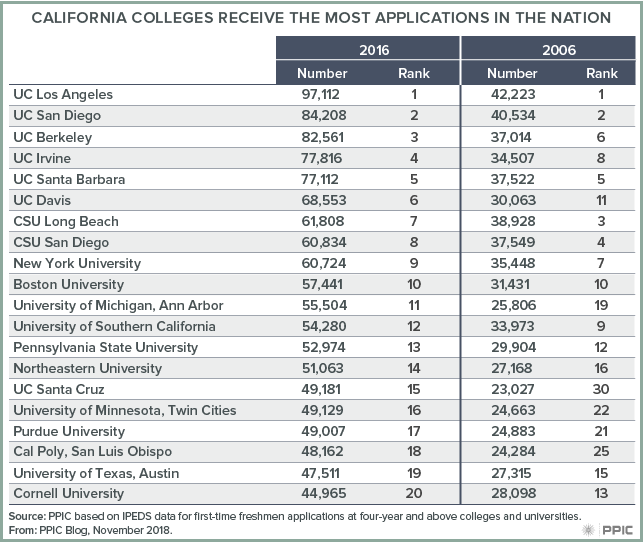
California colleges and universities garner the most applications in the nation. Of the top 10 most popular schools, eight are in California (six UC campuses and two CSU campuses), as are 11 of the top 20. UCLA has led the nation in applications every year for at least the past 17 years, and in 2017 it became the first college in the country to receive more than 100,000 freshmen applications.

The popularity of UC campuses has surged over the past 10 years, with UC Irvine moving from 8th in 2006 to 4th in 2016, UC Davis moving from 11th to 6th, and UC Santa Cruz moving from 30th to 15th. In the CSU system, Cal Poly San Luis Obispo has moved from 25th to 18th. And even though other CSU campuses fell in the rankings, they still experienced large increases in applications.

Of course it makes sense that California colleges would lead the nation: the state has more high school graduates than any other and offers a robust system of public universities. And students are applying to more colleges than they did in the past, which is part of the growth in applications. But much of the increase is attributable to improvements in college preparation. Between 2006 and 2016, the number of California high school graduates completing the courses required for UC and CSU eligibility increased by almost 60% (compared to a decline of 1% in the number of high school graduates who do not complete the college prep courses).

Unfortunately, California’s public universities have not been able to accommodate all qualified applicants. Indeed, California universities lead the nation in rejecting applicants. Each of the UC campuses except Merced are unable to admit all of the eligible students who apply. Six CSU campuses (including Long Beach, San Diego, and San Luis Obispo) are impacted for all undergraduate programs, meaning they cannot admit all qualified applicants, and most of the other campuses are impacted in certain majors. Both UC and CSU refer qualified applicants to campuses that have more room, but more needs to be done to expand capacity at campuses with high demand.

Testimony: Career Education Is Key to Meeting California’s Workforce Needs

Sarah Bohn, research director and senior fellow at PPIC, testified today, November 27, 2018, before the Assembly Select Committee on Career Technical Education and Building a 21st Century Workforce. Here are her prepared remarks.

Thank you for convening this informational hearing on higher education and the workforce. PPIC recently surveyed Californians on these topics and a large majority (75%) view the state’s higher education system as very important to the quality of life and economic vitality of California. Not surprisingly, the same share say that the higher education system should be a high or very high priority for the new governor. So this hearing is extremely timely and I’m so pleased to share PPIC research on education and workforce needs.

Most jobs require some college training

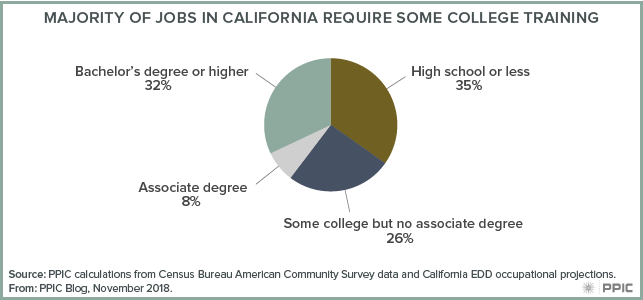
The majority of jobs today and in the future will require education beyond high school—split about equally between jobs that require a four-year college degree and those that require education or credentials provided at community colleges. Only about one-third of new jobs created in California over the next decade or so will be available to workers with no more than a high school diploma. These workforce needs are the result of long-term shifts toward a knowledge-based economy. It’s not just that there are new jobs that require more postsecondary education, but the need for credentials within professions has grown as well. For example, more office administrators now have a college education than in the past.
Better-paying jobs are more likely to need college training

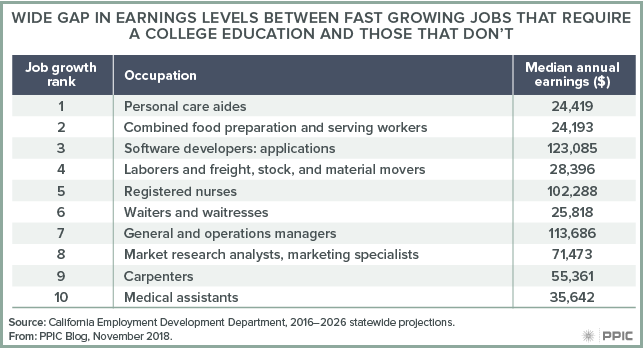
College credentials are also the route to accessing better-paying jobs. With the trend toward a knowledge-based economy comes an increasingly wide gap in terms of earnings between jobs that require a college education and those that don’t. Among the top ten occupations in terms of job growth you find many service sector jobs that pay less than $35,000 in annual earnings (personal care aides, food preparation, freight/stock movers, medical assistants) and do not require a college education. And you find a handful of jobs at the opposite extreme—which pay three to four times as much and require a college education (registered nursing, software developers, managers). This trend is likely to continue and might become more extreme with additional pressures like AI (artificial intelligence) and further automation.
California’s community college system is key to meeting state workforce needs

Ensuring we have the workforce to meet these demands—and ensuring future workers can access higher-paying jobs—requires a higher education system that is responsive to student and economic needs. The young workers of today and tomorrow are much more diverse than the current workforce, comprised of demographic groups with historically lower levels of college attainment (including racial/ethnic minorities and first-generation college students). And though we’ve made progress, there’s still room to broaden access to college—and narrow achievement gaps.

For that reason, community colleges—and career education programs in particular—are critical to educating our future workforce. The community colleges are the most common entry point to higher education for Californians, serving almost three times as many students as CSU and UC combined. They also serve a more diverse mix of students. In career education (or CTE) programs, the majority of students are nonwhite and low income. Students range from recent high school graduates to stranded workers (who lack the skills needed to succeed in the job market) to older workers in need of retraining. And these programs provide opportunities in a wide spectrum of careers. As just one mission of the community colleges, CTE is so consequential for meeting workforce needs and improving economic outcomes because it is often the fastest route to new and better careers.

Career education programs can pay off for students

Earning credentials in CTE pays off for students. Those who earn an associate degree see a 20–35% increase in their wages. The payoff wanes for shorter credentials but remains positive even for certificates that can be earned in less than a year (certificates of 6–18 units). But the choice of program or career matters a lot. If health programs are excluded from these calculations, the payoff is much lower on average (4–7% for an associate degree). The health field offers the highest returns across all broad program types. But there’s even variation in which health programs pay off (e.g., registered nursing is more remunerative than medical assisting).
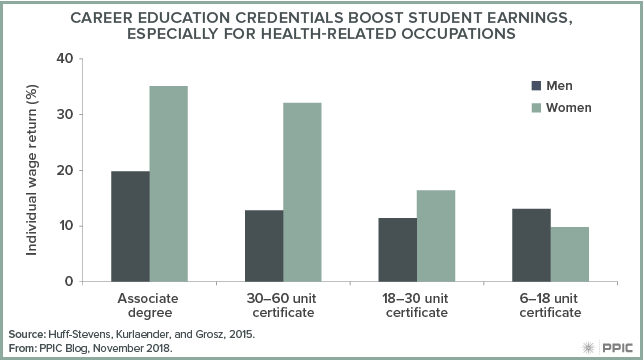
Because CTE credentials vary so much in terms of what they offer in the labor market, the choice of what to study can be as important as the choice to go to college. That information is critical for policymakers evaluating effectiveness and especially for students choosing programs. I commend the community colleges in sharing earnings potential data on their website through tools like Salary Surfer.

Some students may need new job skills to move along a career pathway to higher-paying jobs

Instead of pitting one type of credential or program against another, what we should be thinking about is improving long-term economic mobility for students. A lot of CTE students start by earning a short-term credential, which offers the lowest earnings bump, on average. But those credentials might help an individual switch to an industry with more opportunity in the long run or to start an educational career pathway toward higher-level achievement (i.e., earning “stackable” credentials). Unfortunately our research shows that only a small share of CTE programs (at most 18%) have well-defined career pathways and less than one-quarter of students who start with short-term certificates take additional steps toward broader career options.

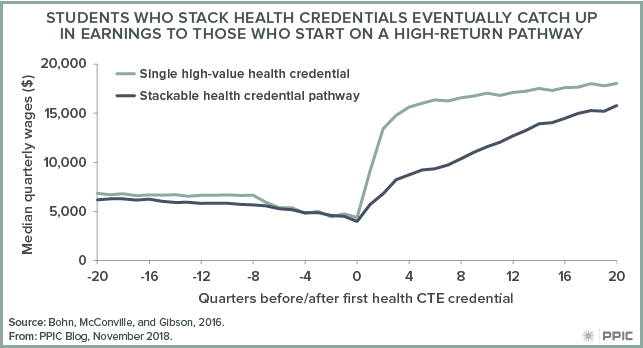
But there’s great promise in improving those career pathways. We found that students who “stack” credentials—in this example, in a health field—eventually catch up in earnings to those who started on a high-return pathway like registered nursing. Students who earn a single health credential (mostly high-return associate degrees) see a marked improvement in their earning trajectory. Those who complete a lower-value credential but then return and complete a second one later do nearly as well. Of course this takes time (which is not free), but it’s a reminder that a single credential is not the end of the road. Effective CTE programs can connect students to in-demand and high-return careers in many ways.
In closing, this research suggests state investments in CTE are worthwhile, both for improving student career outcomes and meeting workforce needs. But the state and colleges can’t operate alone; partnership with businesses will be key to making sure that programs address workforce needs and adjust as those needs change. Only then can the state be deliberate in its investments to make sure that CTE programs improve long-term outcomes for students and the state’s economy.