High Poverty Rate Persists

Although the state’s economy has rebounded, the latest poverty statistics suggest there’s been little improvement in the share of Californians struggling to make ends meet.

More than 1 in 5 Californians—or 8.1 million people—were living in poverty in 2012, the most recent year for which we have data. This is according to the California Poverty Measure, a comprehensive metric developed by PPIC and the Stanford Center on Poverty and Inequality. This share is about the same as it was in 2011. Rates were highest among children, with about 1 in 4, or 2.3 million, living in poverty—virtually unchanged from 2011.

Why? Although California’s overall economy is growing, not all have shared equally in the recovery. The reasons for this are both specific to this economic recovery and true more generally of economic upturns. The unemployment rate remains higher than it has been since 2004 and a high share of workers—by historical standards—have given up looking for work or are underemployed (working part time when they would prefer full time, for example). As is typical of past patterns of recession and recovery, high-income families tend to rebound most quickly, followed by middle-income and finally low- income families. This means that improvements in poverty metrics tend to lag behind other indicators of how the economy is faring.

The good news is that the social safety net—programs like CalFresh and the federal Earned Income Tax Credit—helped many families through the recession and still plays an important role in keeping families out of poverty. Without it, more families—including 1.3 million children—would be poor. We estimated that without these and other safety net programs, poverty would be roughly a third higher in the state as a whole. This cushioning effect of the safety net decreases swings in poverty, meaning that a slowly changing poverty rate is partly an indication that the safety net is working.

Reminder: Droughts Often End with Floods

Just a year ago, Texas and Oklahoma were experiencing a crippling drought. In May, record rainfall and deadly floods swept through these recently parched states, with devastating results. It was the same story in Australia in 2010: two years of record floods followed a decade-long record-breaking drought.

There’s a reminder here for California: droughts can end with a deluge.

About one in five California residents now lives in a flood-prone area. The replacement value of buildings vulnerable to floods exceeds $575 billion. Climate change could increase these risks. Yet the amount we spend on flood management is currently just a fraction of state water spending.

Now is the time to look at improving flood responses across the state, not when rivers are overflowing. If we’re serious about reducing flood damages, we will need to adopt an “all of the above” approach to managing flood risks. The palette of solutions includes reinforcing and improving structural protections such as levees and floodwalls, encouraging residents and businesses to buy flood insurance, utilizing green approaches like wetlands, and avoiding new development on the most flood-prone lands.

The first line of defense—particularly for those in the so-called 100-year flood zone, which is prone to more frequent floods—has typically been levees. Our system of levees is in great need of improvement, and funds from a 2006 state bond have boosted investments to shore up these flood defenses. Yet we still have a large funding gap. We need to increase spending to protect our most vulnerable communities, while ensuring we get the biggest bang for our bucks with these investments. For example, setting back levees to allow rivers to have more room to flood can reduce flood damages, boost habitat benefits and even increase recharge to aquifers.

While necessary in many places, structural systems are also the most costly and environmentally damaging elements of our flood-protection system. They’re also far from infallible, particularly in light of a changing climate. Flood insurance is an underutilized tool that complements structural protections, and can help people recover more quickly. Yet too few at-risk Californians carry flood insurance. State and local agencies must find new ways to promote greater adoption of insurance. One novel approach would give local or regional flood management agencies authority to buy insurance for the community. Pooling resources this way would increase coverage and cut costs. The legislature could encourage this by creating mechanisms to recover costs through assessments or fees.

Finally, one of the best defenses against flooding is land-use planning and regulation that keeps people out of harm’s way. Many communities already discourage development in the most at-risk zones, but more needs to be done. The state doubled the protection standard for urban areas in the Central Valley in 2007. The state should consider using the higher standard major urban areas elsewhere in the state, which also face significant risk.

There is only one certainty about California’s variable climate: the drought that is hitting the state today will, at some point, give way to floods. Strengthening flood management could have big pay-offs in protecting the public health and safety and the state’s economy.

Learn more: Read our policy brief about preparing for floods.

FIGURE SOURCE: California Department of Water Resources and U.S. Army Corps of Engineers, California’s Flood Future: Recommendations for Managing the State’s Flood Risk (2013).

FIGURE NOTES: The figure shows population and structures in the 500-year floodplain—the area susceptible to floods so large that they have just a 0.2 percent chance of occurring in a given year. Levees protect much of this area from a “100-year flood,” which has a 1 percent chance of occurring in a given year. Population is adjusted to 2010 levels. Value of structures is based on the depreciated replacement value of structures and their contents in 2010 dollars.

Video: Mark Baldassare & John Myers Discuss the PPIC Survey

For the first time since the start of the PPIC Statewide Survey, Californians ranked the drought as the most important issue facing the state. And that was not the only “first” for this survey. PPIC presented it in Sacramento Thursday in a new format. Mark Baldassare—PPIC’s president, CEO, and survey director—was interviewed onstage about the findings by John Myers, senior editor of KQED’s California politics and government desk.

In addition to the drought, Baldassare and Myers covered a long list of topics that were raised in the survey, including taxes, vaccinations, marijuana, University of California tuition, distrust in government, and voter turnout. Myers also raised a theme he explored in his report on the survey for KQED: Despite an improving economy and Californians’ support for the governor’s ideas about the budget, their outlook on the direction of the state remains gloomy.

A California Earned Income Tax Credit

Governor Brown has proposed a state Earned Income Tax Credit (EITC) for low-income families, similar to the federal tax credit. This adds to the mix of strategies policymakers are considering to address the state’s poverty rate, which is the highest in the nation when cost of living is accounted for. The governor’s proposal is aimed at workers who have earnings well below poverty. For example, a parent of two children would be eligible if she filed a tax return and earned no more than $13,870—equivalent to the annual pay for about 30 hours a week at a minimum-wage job. Because it depends on earnings and the number of dependents, the credit would vary widely. The maximum credit of $3,121 would go to families with three or more children and earnings below $7,000 per year, but the governor’s proposal estimates the average credit to be $460. About a quarter of the 3.1 million California filers who can claim the federal EITC would also be eligible for the proposed state EITC.

While a state EITC would increase the cash resources of millions of Californians, the resources families need to make ends meet are substantial. A family of four needs about $29,000 a year to stay above poverty, according to our California Poverty Measure (CPM), a comprehensive yardstick of poverty that accounts for regional variation in the cost of living and the impact of social programs.

How would the proposed EITC affect Californians? Using CPM research, we estimate that the proposed credit would:

  • Move 70,000 Californians, including 31,000 children, above the CPM poverty line.
  • Help about 1.28 million Californians experience less severe poverty.
  • Benefit 1.83 million Californians who already live above the CPM poverty line. (Many of those with low earnings are nonetheless above the poverty line because they receive benefits such as food stamps and/or live and share resources with other family members.)

The governor’s state EITC proposal focuses on augmenting low wages—an acknowledgment of the importance of earnings even for families in poverty. Research has shown that the federal EITC encourages work, and a state credit promises to do the same.

Why Farming Needs the New Groundwater Law

A groundwater deficit is growing in key agricultural areas of California. The double-whammy of the extended drought and longer-term reductions in surface water deliveries for environmental needs has pushed many farmers into using ever-more groundwater, at rates that can’t be sustained. In average years, about a third of water used by California’s farms is groundwater—and much more during droughts like this one. In some basins (especially those in major farming regions in the southern San Joaquin Valley and the Central Coast), groundwater withdrawals have long exceeded the pace of replenishment, thus shrinking our most reliable supply for times of drought.

The groundwater law enacted last fall gives local agencies the tools and authority they need to develop and implement sustainable groundwater management plans. Once agencies put these plans in place, they will have 20 years to achieve sustainability—until 2040 for the most stressed groundwater basins. The state can step in if these agencies fail to act.

Despite the seemingly generous timeline for compliance, the law’s goals will be challenging to meet. By June 2017, groundwater users in each basin need to designate a local groundwater sustainability agency that will be responsible for local oversight. And by January 2020, these agencies need to start implementing their sustainability plans. In most places, getting this preparatory work done will require significant additional technical analysis to understand how the basins’ supply and demand work. It will also require coming to agreement on how to collectively manage what has largely been considered an individual resource, with each user able to pump as much as he or she can put to beneficial use.

The drought has made it clear that the status quo is unsustainable. Declines in groundwater levels are resulting in higher energy costs to pump water from deeper depths, sinking lands, and wells going dry in some places.

The groundwater law was not widely embraced by the farm community; indeed, not a single legislator from the San Joaquin Valley voted in favor of it. Yet California farming needs to strengthen groundwater management to support the growing investments in highly valuable fruit and nut orchards and vineyards, which must be watered each year. It’s essential to manage groundwater so that it’s available during droughts, and the new law provides a pathway to do this.

Bringing basins into balance will require creative approaches to basin replenishment. Many irrigation districts are already taking critical steps in this direction. For example, agencies on the east side of the San Joaquin Valley manage surface and groundwater resources jointly to encourage groundwater basin replenishment in wet years. Some districts in the San Joaquin Valley and in the Central Coast have begun recharging basins with recycled wastewater from neighboring urban areas. Another promising approach is allowing floodwaters to spread on fields normally watered by drip irrigation.

A number of technical challenges will need to be addressed. For example, not every aquifer can be recharged, and in many areas, recharge is slow. Much of California’s water conveyance infrastructure was designed for use with surface reservoirs as the main water source, not groundwater. And over time, widespread conversions from flood to drip irrigation methods have allowed farmers to stretch limited surface water supplies, but this is also reducing opportunities for groundwater recharge. New institutional and financial arrangements will be needed to optimize groundwater storage.

Like nearly everything to do with the state’s water management, the solutions to groundwater recharge will require a deft blend of management, infrastructure and policy changes. The new law appropriately puts locals in the driver’s seat for managing a local resource. But the state must play a central role in supporting this transition, with financial and technical support. Allocating funds from Proposition 1, the water bond approved by California voters last November, will be a good start.

Learn more:
Read our policy brief about the challenges of water storage
Read our policy brief on water for farms

Health Insurance for the Undocumented

California continues to have at least 3 million uninsured residents, even after the coverage gains from the Affordable Care Act (ACA). Estimates suggest that between 1 million and 1.5 million of them are undocumented immigrants who are not eligible for federally subsidized coverage.

But there may be two opportunities for California’s undocumented population to gain access to coverage – depending on the legislature, governor, and courts. We estimate that as many as half of the state’s undocumented immigrants have incomes that are low enough to qualify for Medi-Cal coverage—with some variation across regions. To qualify for Medi-Cal, household income must be below 138% of the federal poverty level (about $16,000 for a single person or about $28,000 for a family of 3). Those with higher incomes may gain access to insurance through a state exchange.

First, the governor’s recently released proposal for the state budget includes funding to provide full Medi-Cal coverage to low-income undocumented immigrants who register for the federal Deferred Action for Parental Accountability (DAPA) program, which offers protected status to undocumented immigrants who have resided continuously in the U.S. for the past five years and are parents of children who are either U.S. citizens or legal permanent residents. This proposal is dependent on DAPA surviving current legal challenges.

Second, the Senate Appropriations Committee has approved state legislation that proposes to expand insurance coverage options to undocumented immigrants not eligible for DAPA. The bill (SB 4) would extend Medi-Cal to low-income undocumented immigrants under age 19. The number of adults who are eligible would depend on the state budget. The bill also includes provisions to allow those with higher incomes to purchase coverage through a state-based insurance exchange.

How many undocumented immigrants might be affected by these actions? Estimating the number is not straightforward. To help in the policy and planning process, we have recently updated our county estimates of undocumented immigrants for 2013 using zip code level tax records (filed with Individual Taxpayer Identification Numbers, or ITINs) and the analytic methods we have used in past work. We extend our earlier analysis to estimate how many undocumented immigrants might be eligible for insurance coverage based on family income for the pricing regions used by Covered California. To do this, we rely on information available from tax filings—we estimate income levels from adjusted gross income groupings and family size from tax filing status and the use of the federal child tax credit. PPIC expects to publish more results based on these analyses in the near future.

Statewide, our preliminary estimates indicate that just over half of undocumented immigrants (51%) are likely to be under the 138% poverty threshold used for Medi-Cal income eligibility. This share varies widely across regions. Nearly 60% in Los Angeles County and the Central Valley have incomes below the 138% threshold. Most Bay Area counties have lower shares below this threshold—from 36% in Santa Clara County to 44% in Contra Costa County. These findings are generally consistent with other work that uses different methods to profile California’s undocumented immigrants (MPI (2014), Marcelli and Pastor (2014), Warren (2015)).

We also estimate shares, by region, of undocumented immigrants that fall between 138% and 400% of the federal poverty level, the income range used by Covered California for its current enrollees to receive premium subsidies. Across most regions, between 40% and 60% of the undocumented population falls within this range, potentially making them eligible to purchase coverage through a state insurance marketplace.

Finally, about 85,000 undocumented have incomes above 400% of the federal poverty level – with most residing either in Bay Area counties or the coastal Southern California counties of Orange and San Diego.

Regional differences in health plans, provider capacity, and insurance costs make information on the size and distribution of the state’s undocumented population by income level crucial to planning effectively for coverage expansions. We expect to contribute regularly to the discussion as these planning efforts unfold.

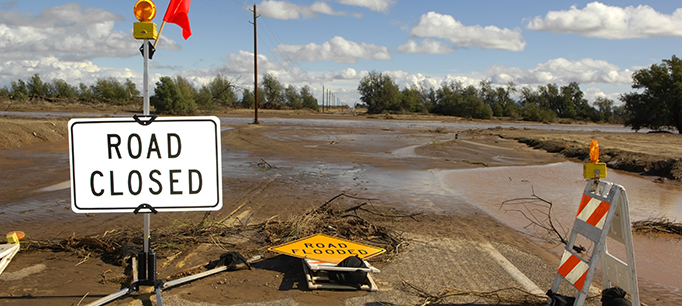
Table source: Author’s analysis of tax data.
Table note: Counts are rounded to the nearest 500 and may not add to the statewide total as a result. Regions correspond to the insurance pricing regions used by Covered California, with one exception. Region 15 in the table includes all of Los Angeles County.