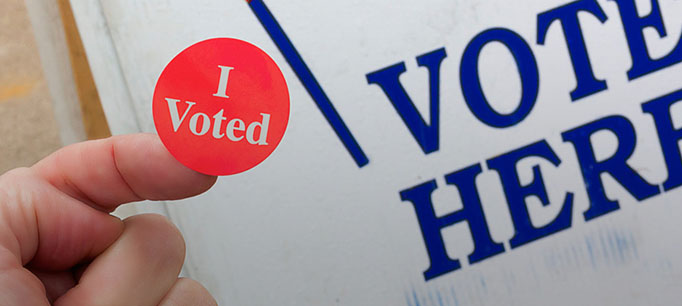
Turnout in the most recent Los Angeles City Council election was almost impossibly low: slightly less than 9% of registered voters, or about 150,000, cast ballots. Governance of a city of almost four million was in the hands a group that could squeeze into the Rose Bowl.
And yet this same select club did something on Election Day that all but guaranteed their membership will grow. The days of the “Rose Bowl electorate” are numbered.
LA City Council races fall in the spring of odd-numbered years and don’t coincide with state and federal elections. The City Council races also have voter turnout that is 20 or 30% lower than in state and federal races in neighboring years. The explanation for the difference is not complicated. Visibility and excitement are powerful drivers of turnout. Elections that receive attention across multiple media outlets—such as those for Congress and the presidency—create a buzz that voters find harder to ignore. To expect a similar buzz for stand-alone local races is to require a volume of coverage that those races almost never receive.
What makes the most recent City Council election so unusual is that two extraordinary measures, City Charter Amendments 1 and 2, were also on the ballot. They proposed moving City Council and school district elections to coincide with the federal and state elections that draw more voters to the polls. Even more amazing, the small, dedicated group who voted on these measures passed them by a 3-1 margin, effectively taking a step to end their own privileged position in city and school district politics.
Will this actually increase participation in these local races, or will voters get “ballot fatigue” and opt out when they get to the end of longer ballots? In a 2002 Public Policy Institute of California report, Zoltan Hajnal, Paul Lewis, and Hugh Louch concluded that about half the difference between local and federal turnout can be attributed to election timing. That suggests that the timing change will prompt most voters to weigh in on local elections, even if they are drawn to the polls by higher profile congressional or presidential contests.
The problem of low turnout in LA will not be solved by this policy change. There are clearly other factors driving turnout down, factors that consistently place LA County near the bottom of the turnout list in all elections. But in passing Charter Amendments 1 and 2, voters in LA have taken an important step toward encouraging higher participation in city elections, one that deserves serious consideration by other cities as well.

 The high-turnout counties were generally rural. Total turnout in the 20 smallest counties in the state was 39%, compared to just 27% in the 5 largest. Also, turnout tended to be lower in Southern California and the Central Valley. All 12 counties with turnout below the statewide average—Fresno, Imperial, Kern, Kings, Los Angeles, Merced, Riverside, San Bernardino, San Joaquin, Stanislaus, Tulare, and Yuba—are in one of those two areas.

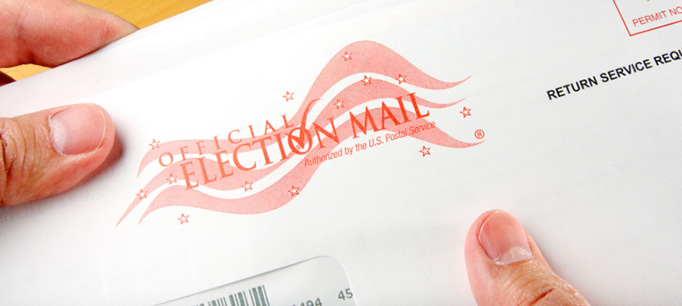
 Any such assessment must take a hard look at voting by mail. We see more voters using this option in every passing election, with the growth actually accelerating in recent primaries. If the trend continues, about 57 percent of the ballots in this fall’s election will be cast this way.


 Proposition 13 passed in June 1978—toward the end of Jerry Brown’s first term as governor—with a 65 percent yes vote.