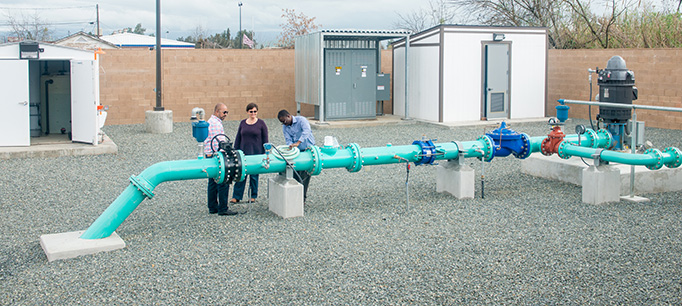
One of the most surprising findings in the July PPIC survey is the strong support for an $8.9 billion state water bond among California likely voters (58%). Support for the bond―Proposition 3 on the November ballot―comes close on the heels of California voters passing a $4.1 billion state water and parks bond in June. What’s going on?
Majorities of California likely voters across partisan and demographic groups and the state’s regions say that water supply is a big problem in their part of California. Water supply and drought were the number one environmental problem named by likely voters in the survey (24%). Since Governor Brown took office in 2011, water supply and drought have been among the top environmental issues named by likely voters, and since 2014, together they have been named the most important environmental issue facing the state.
Majorities of likely voters across demographic groups and regions―including most Democrats (72%), nearly half of independents (48%), and four in ten Republicans (43%) and self-described conservatives (46%)―support Proposition 3.

PPIC surveys in the past five years show that support for state water bonds has remained high since the severe drought of 2012–16; voters are anxious about its return in light of other signs of climate change. Since 2014, at least half of California likely voters have said they would vote yes on various state water bonds. Moreover, an earlier PPIC survey found that most likely voters prefer bonds (44%) over fees (25%) and taxes (13%) as the means to fund water infrastructure projects.
What are the voters missing?
State bonds are important, but they actually play a relatively minor role in funding California’s water. Bonds provide at most $1 billion of the more than $30 billion in annual water-related spending. Local revenue—from water and sewer bills to taxes—provides the lion’s share. In addition, bonds are not a reliable long-term funding source, and they generally don’t cover operating and maintenance costs. State bonds don’t directly raise fees or taxes—which may make them more popular with voters than these alternatives. But they are not free. Every year bonds are repaid with significant interest from the state General Fund, which can reduce funding available for other important budget areas, such as education and health and human services.
California faces critical water funding gaps—totaling about $2–$3 billion annually—across several essential areas: safe drinking water in small, disadvantaged communities; flood protection; control of stormwater and other polluted runoff; and management of freshwater ecosystems and headwater forests. Limited financial capacity of low-income communities, legal constraints on local funding, a shrinking federal contribution, and unreliable state support contribute to the shortfall. There have been efforts to fill the gaps in other ways—especially for safe drinking water—but new sources of funding such as a surcharge on water bills haven’t enjoyed the same broad support as state bonds.
In California’s $2.7 trillion economy, filling the gaps for water’s “fiscal orphans” should be manageable. But this will require a focused effort and leadership at all levels. Bonds can help, but they can’t do it alone. Looking beyond bonds to find more durable ways to pay for essential water services—including with new fees and taxes―must be a top priority going forward.


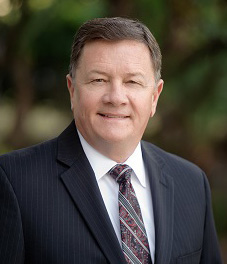 Former state senator Dave Cogdill’s death this week at 66 leaves us saddened for his family and friends and appreciative of the many ways he served California as a public servant and policy leader. Among his many efforts to address the state’s various policy challenges, Dave was a valued friend and trusted advisor to PPIC and a respected member of the PPIC Water Policy Center’s advisory council. We will greatly miss his contributions.


 The
 Since 2000, California voters have approved six water bonds, totaling nearly $20 billion dollars. These bonds looked a little different than Prop 1. Ecosystem improvement and flood protection were the main priorities, with smaller amounts for drinking water quality, integrated management, stormwater, and water supply projects (these bonds also had large amounts for parks and public access). While these bonds provided welcome support to these areas, they also came with fiscal tradeoffs: bonds are repaid with general fund tax dollars that also support other state programs.

 What is so special about this finding? We have been observing a slow but steady rise in the preference for lower taxes and fewer services since November 2012—when voters approved the Proposition 30 tax increase. In the 24 times since we first asked this question in our February 2003 poll, the preference for lower taxes and fewer services has usually been below 50 percent. Moreover, this preference has never exceeded 55 percent, placing the current reading close to the historic high.
 Getting approval by two-thirds of both houses of the legislature is just the first step. The next hurdle is voter approval. According to the

